















































★ Top Pick
#1
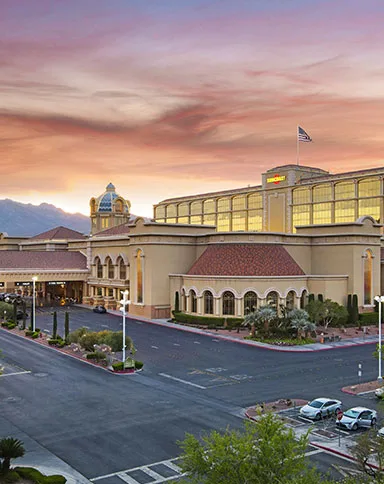
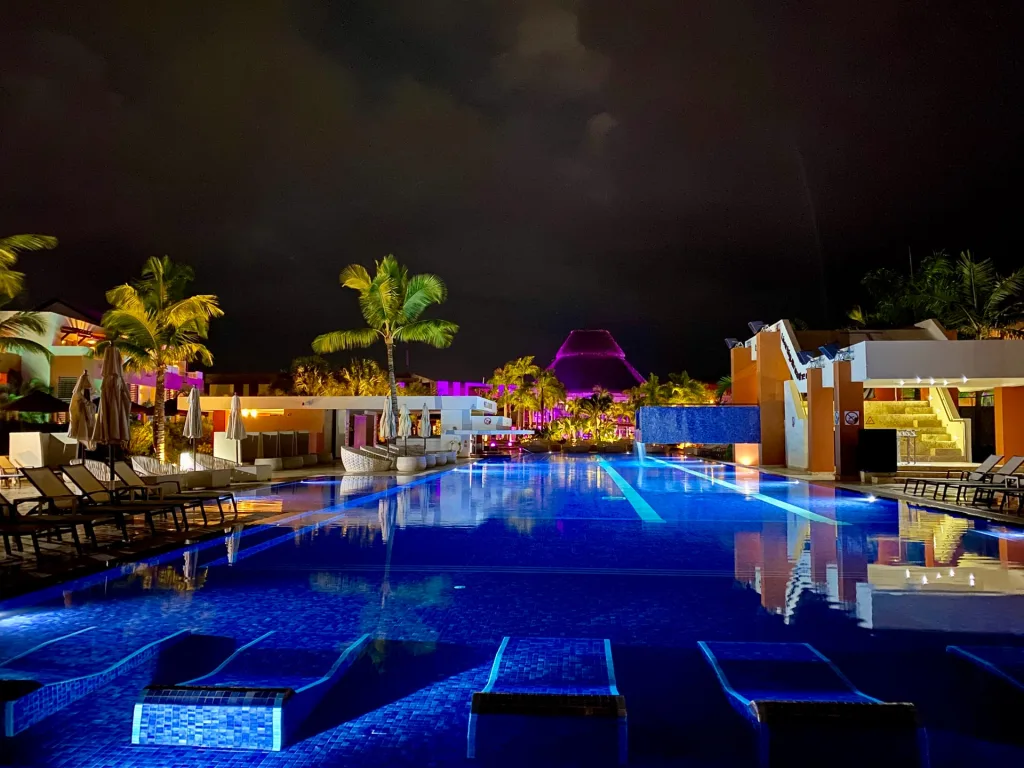
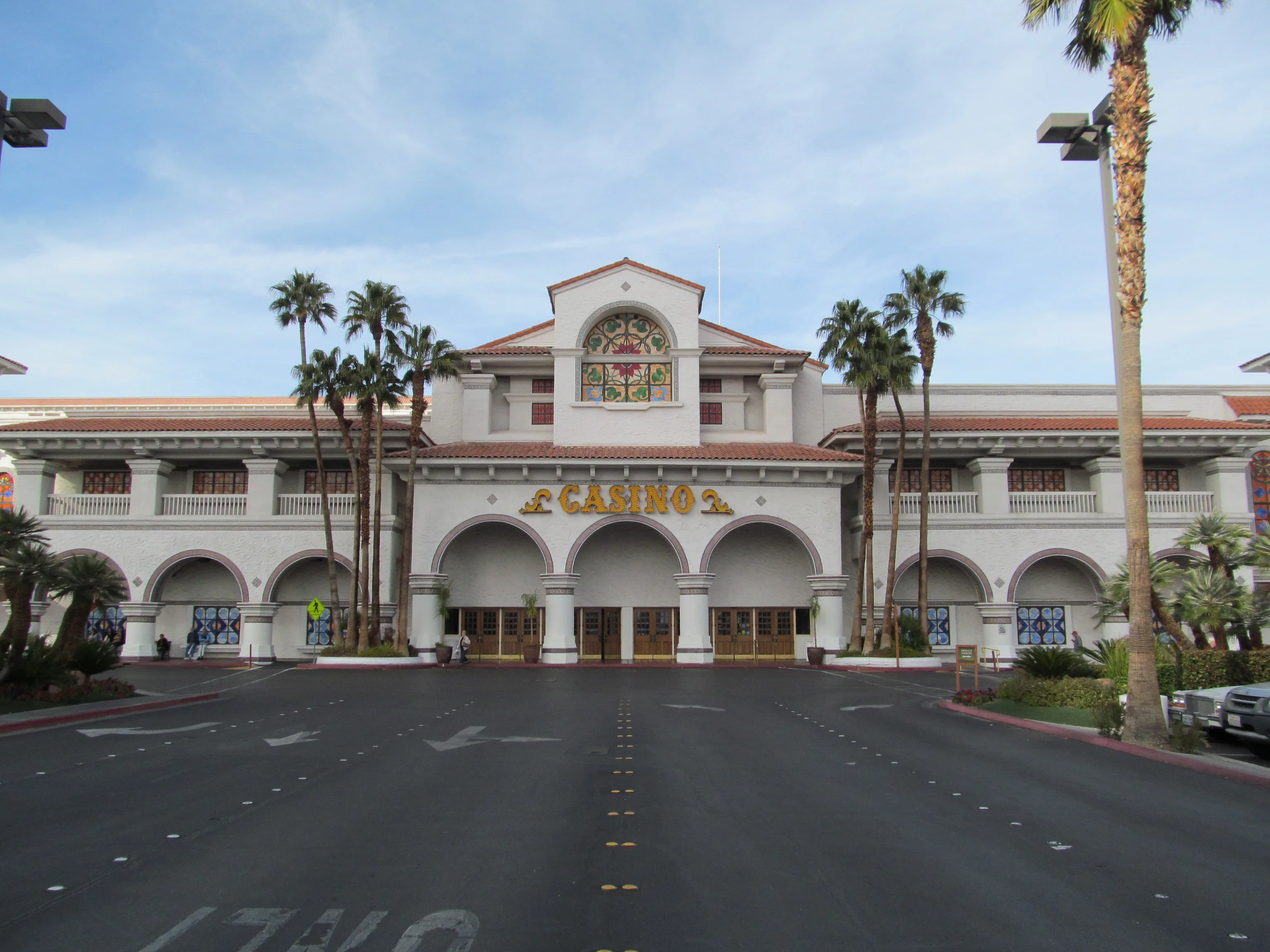
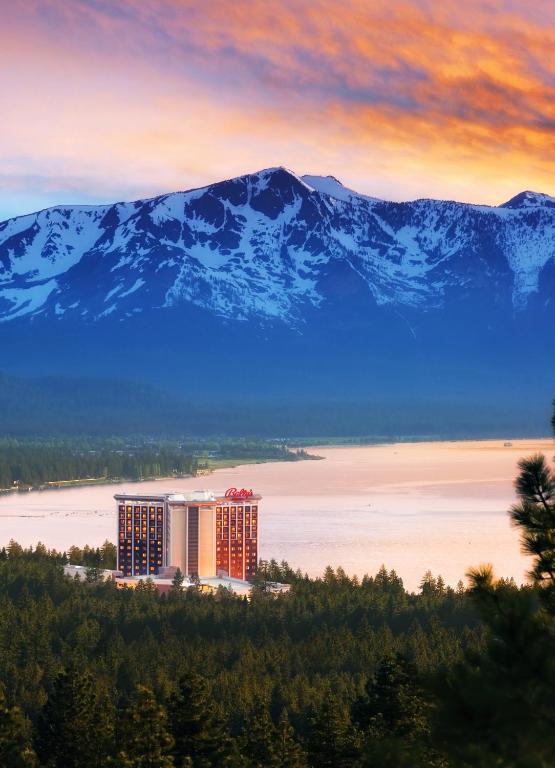
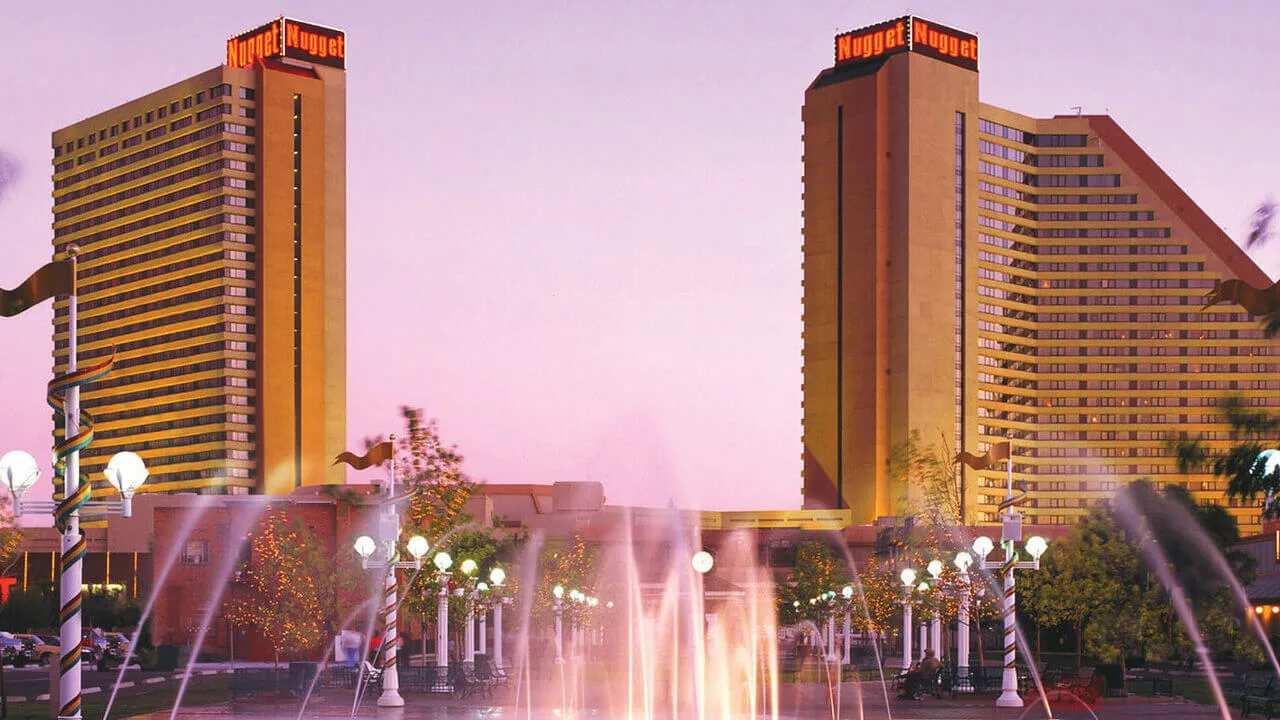
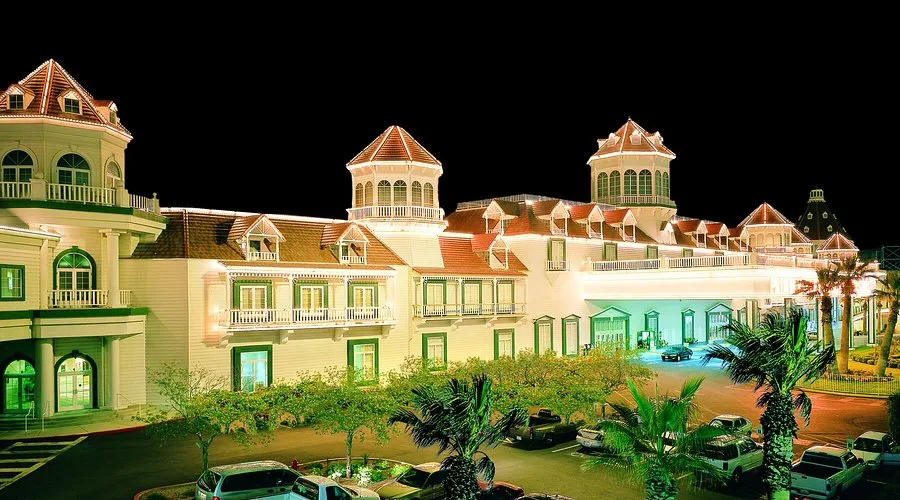
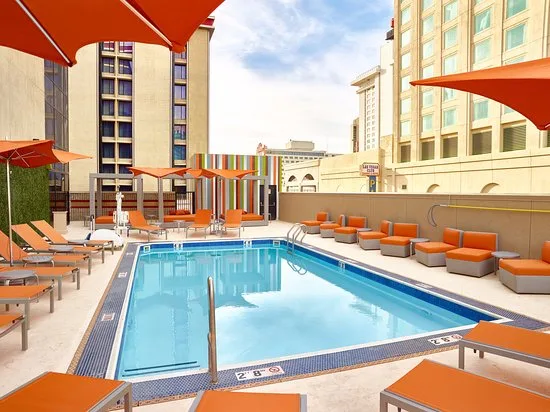
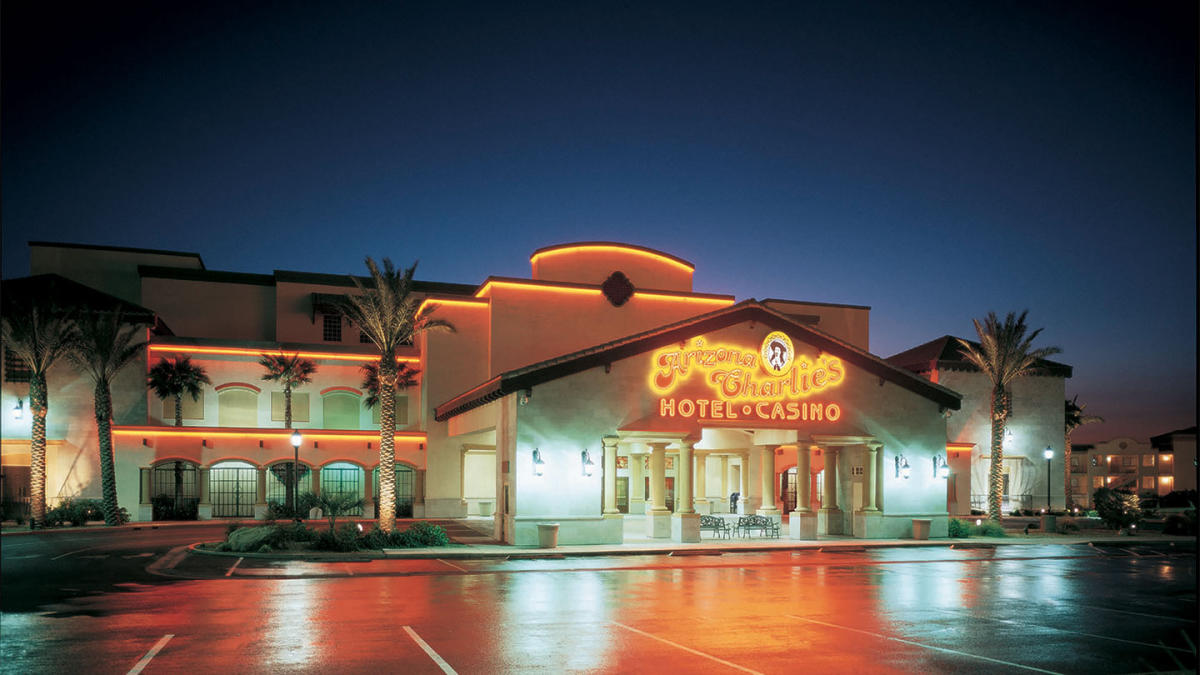
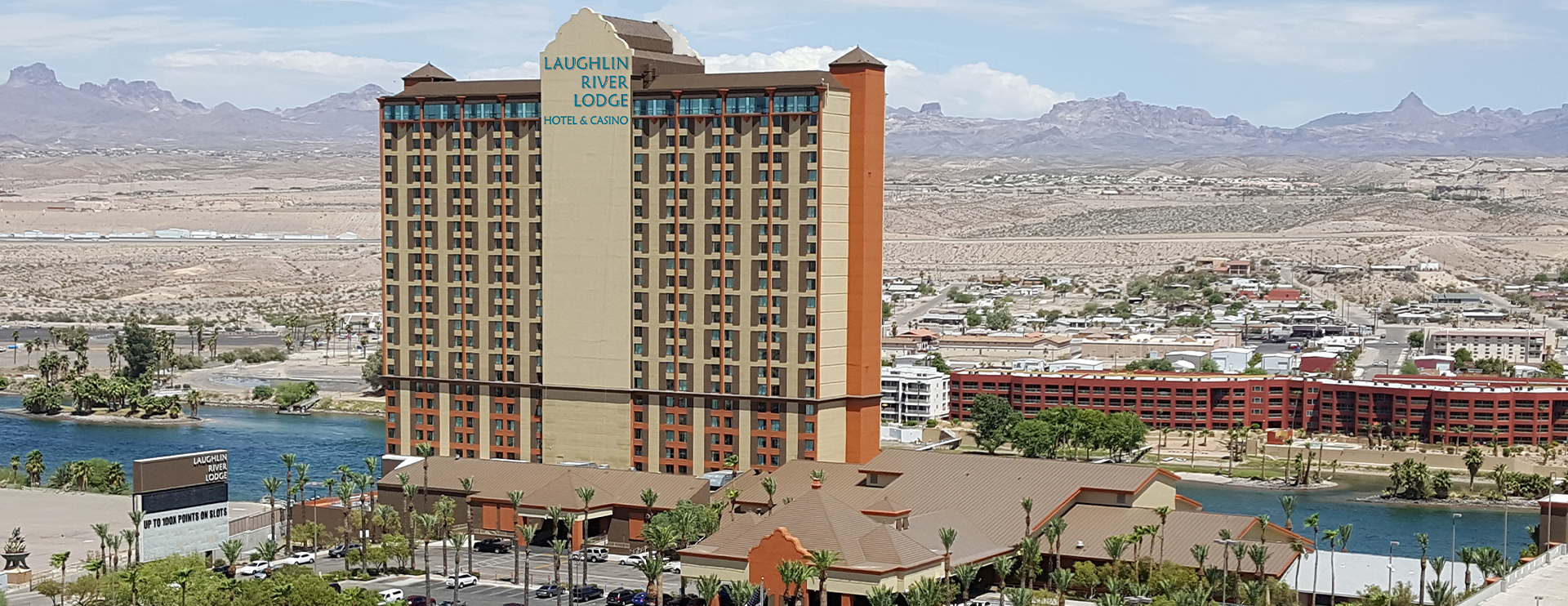
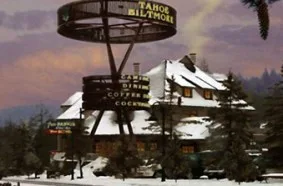
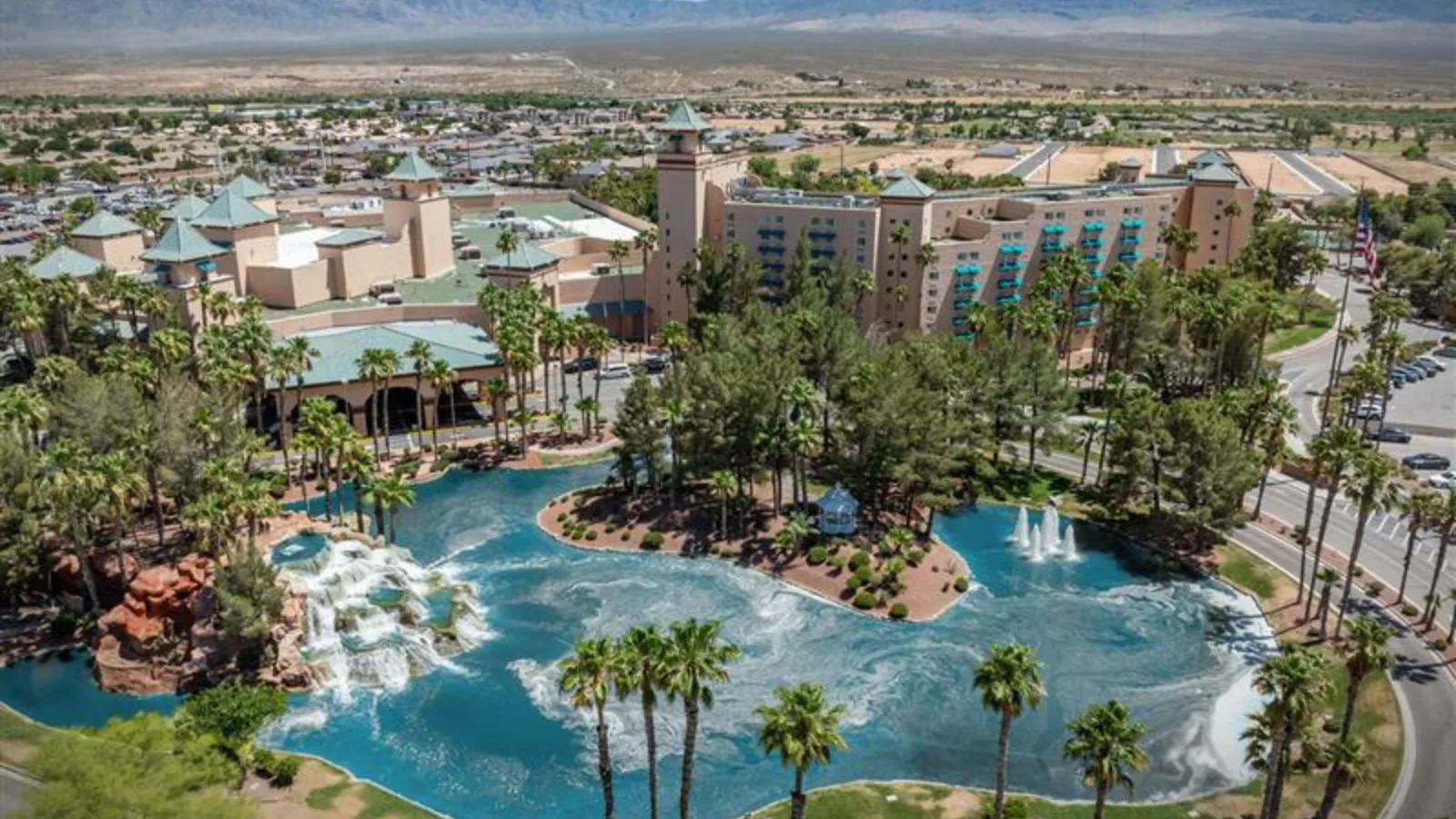
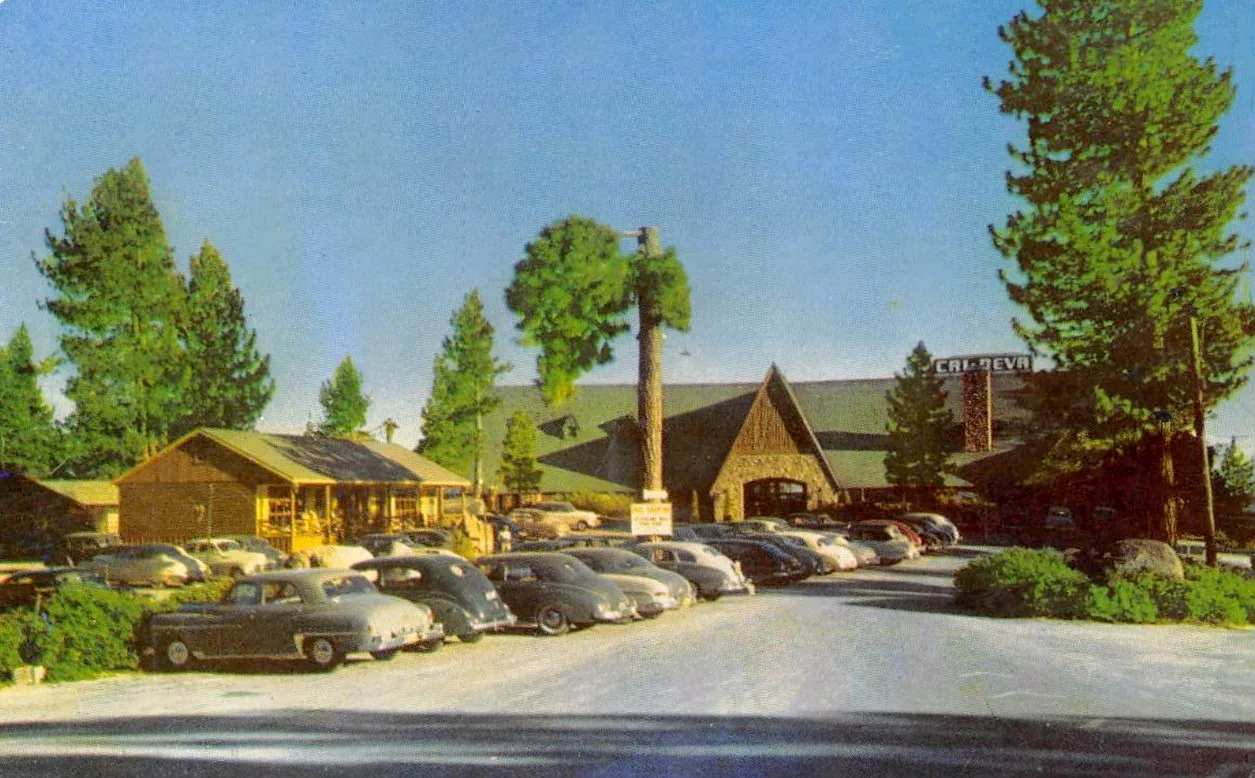
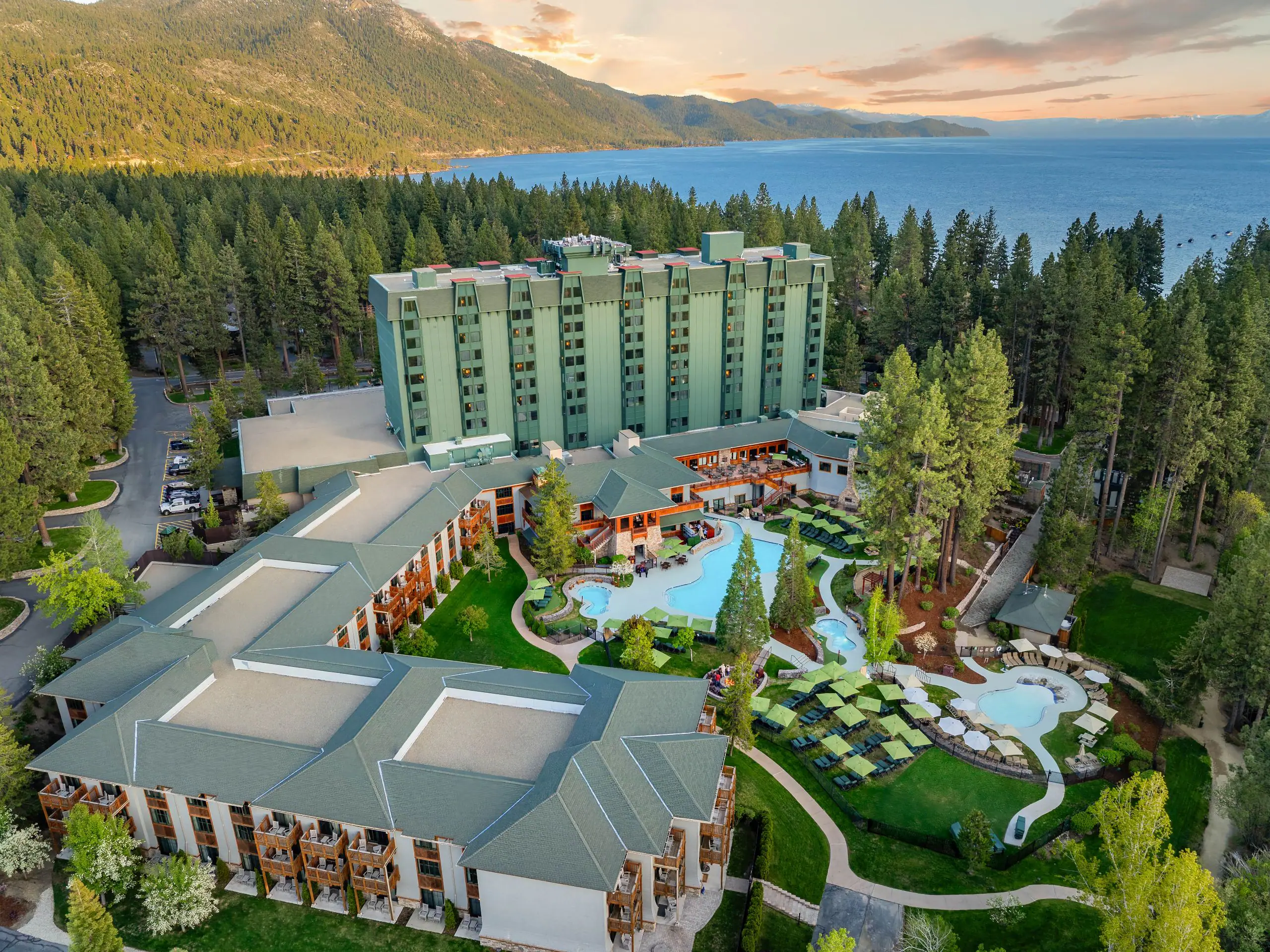
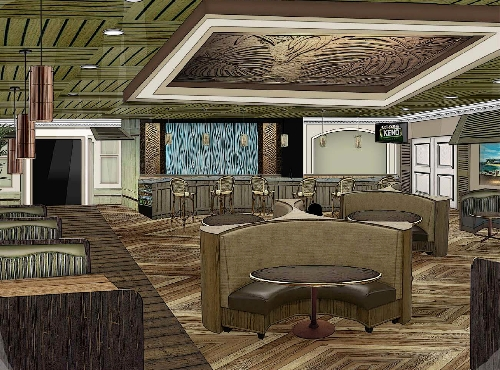
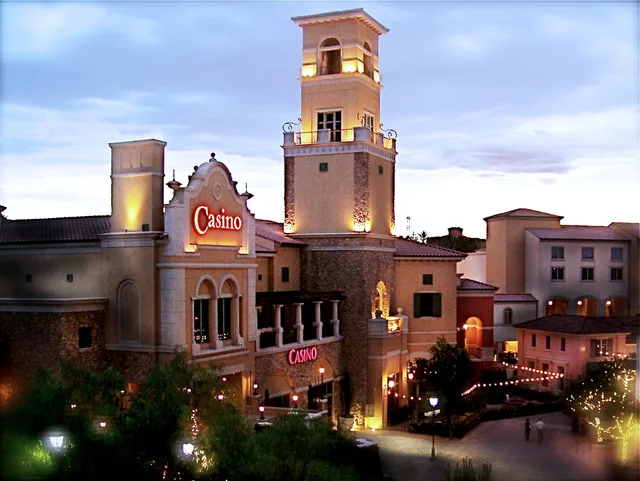
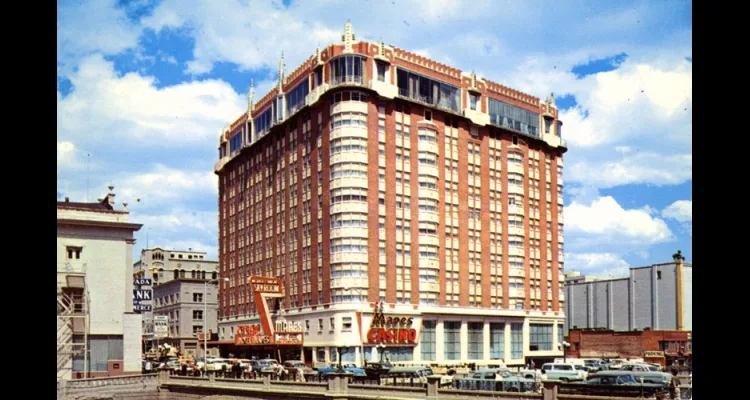
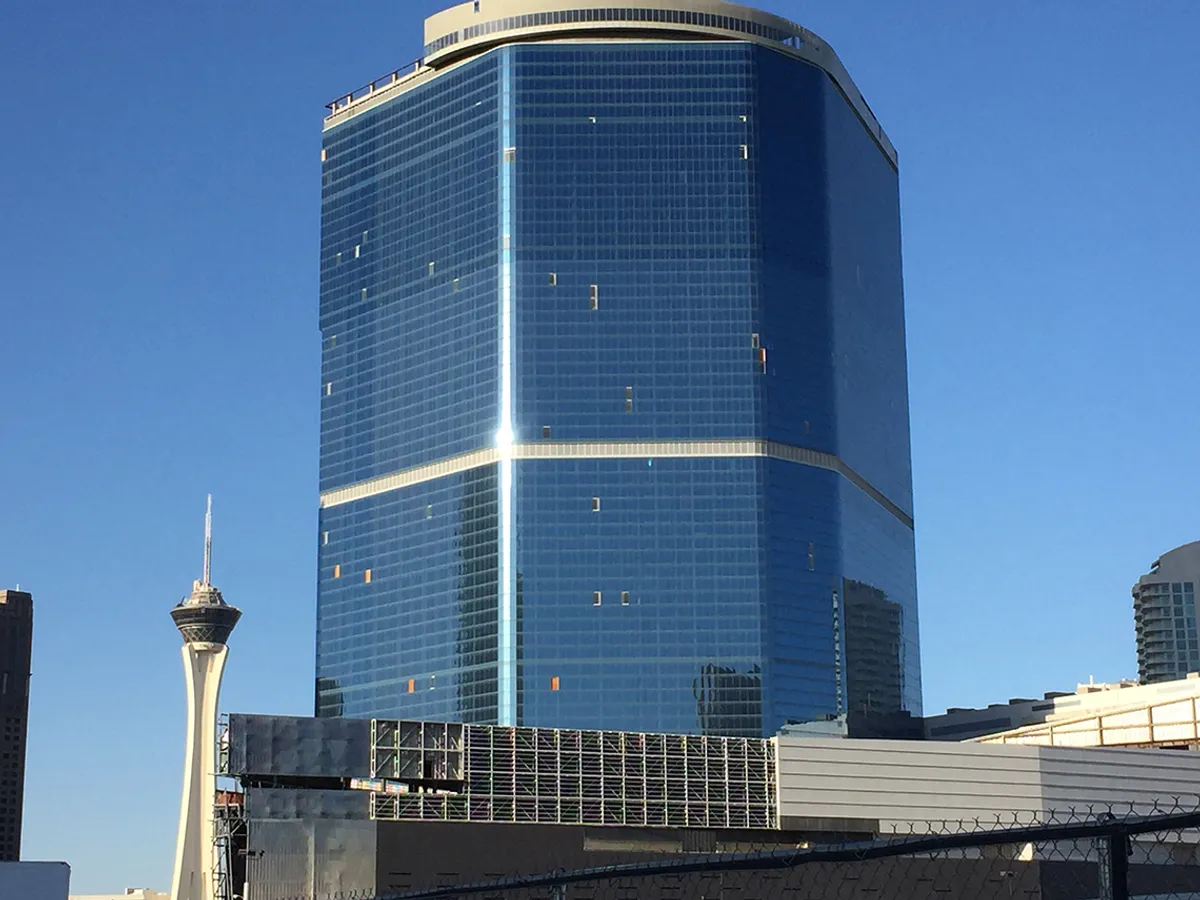
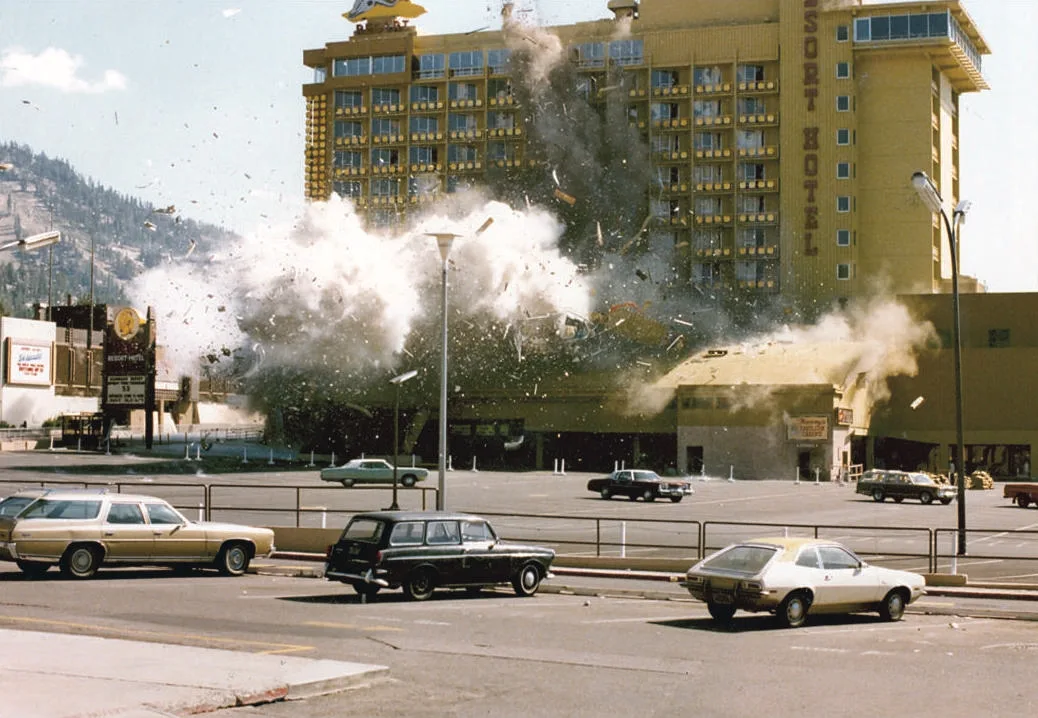
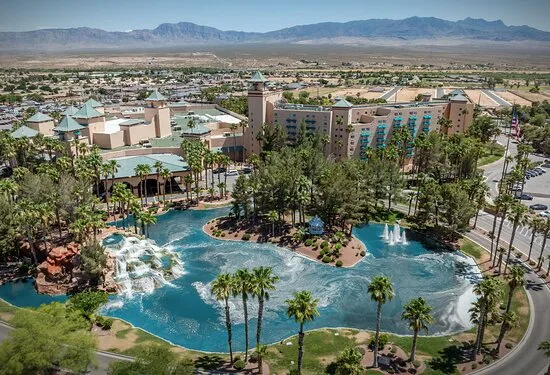
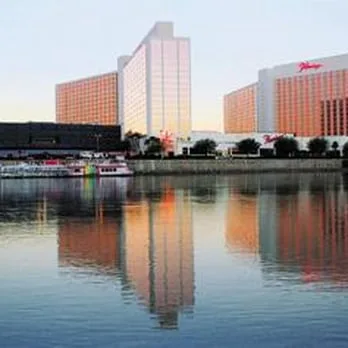
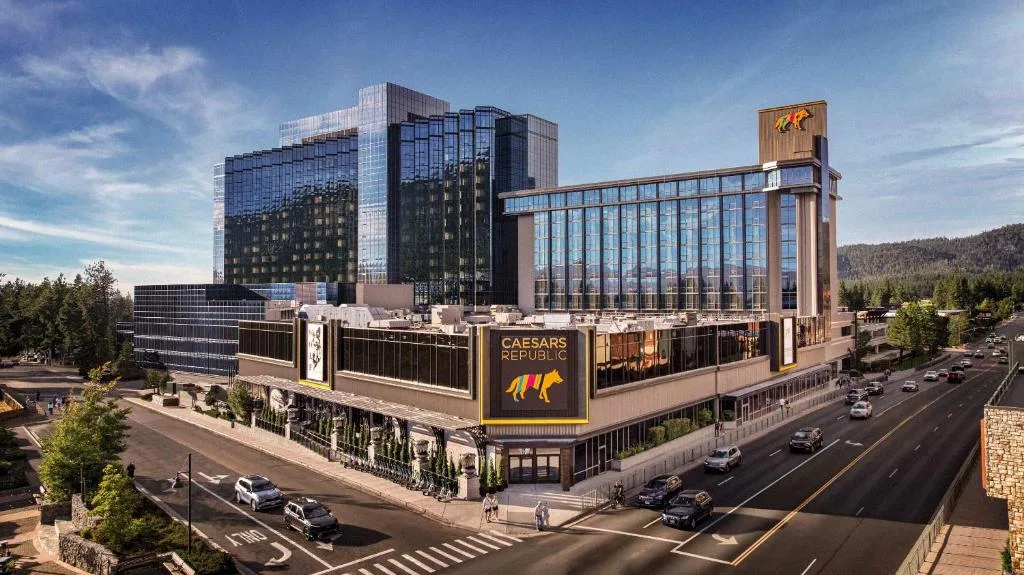
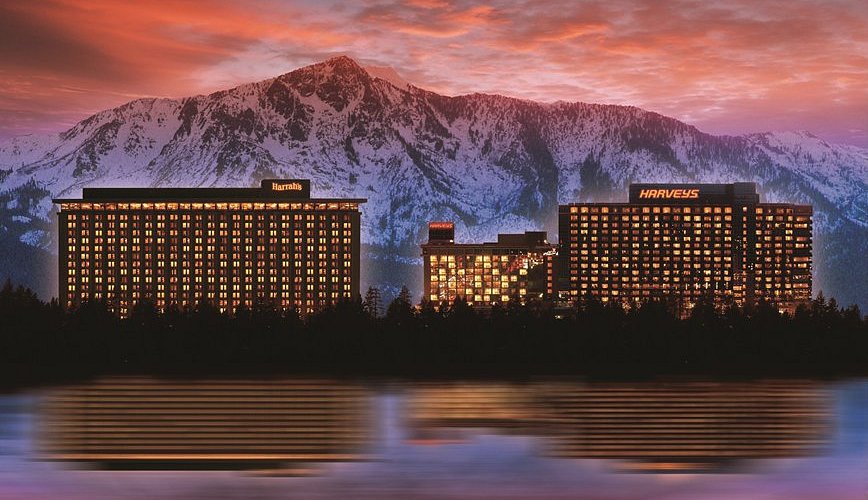
Harveys Lake Tahoe
Stateline, Nevada
SlotsBlackjackVideo Poker ♠ Poker
830 slots · 71 tables · 16 poker tables · 24/7
24/7 · Hotel · Dining
 Reviewed by StatesCasinos Editorial Team ·
Updated
Reviewed by StatesCasinos Editorial Team ·
Updated Complete Land-Based Gaming Guide · 2026
From the neon-lit Las Vegas Strip and historic Fremont Street to the mountain casinos of Reno and Lake Tahoe, Nevada has offered legal casino gambling since 1931 and remains the most casino-dense state in the country.
Nevada offers 332 land-based casino venues across 44 cities. The directory covers federally regulated tribal properties, commercial card rooms, racinos, and casino cruises, with verified addresses, available games, and on-site amenities.
This guide covers the full scope of land-based gambling in Nevada: the legal framework, every tribal and commercial venue, available game categories, regulatory authorities, minimum gambling age, and the closest full-service casinos across state lines for residents seeking a broader gaming experience.
⚖️ Legal & Age: Land-based gambling in Nevada operates under a mix of federal tribal gaming compacts, state racing commission licensing, and, in some states, commercial casino regulation. Minimum gambling age and venue rules vary. Verify on-site before play. Gamble responsibly. 18+ at most tribal venues, 21+ at full-service casino properties.
332
Total Venues
44
Cities with Gaming
178
Open 24/7
68
With Poker Room
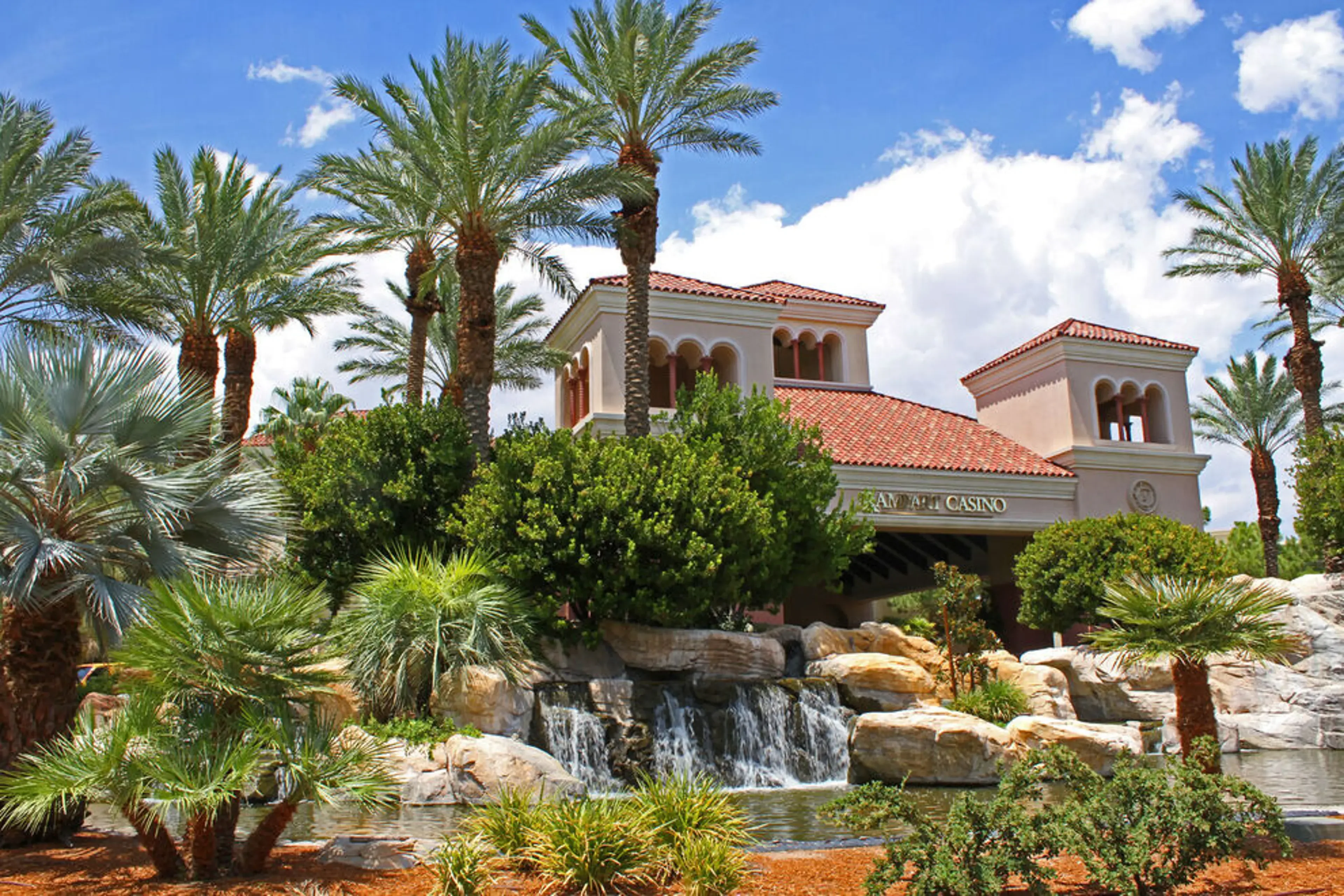
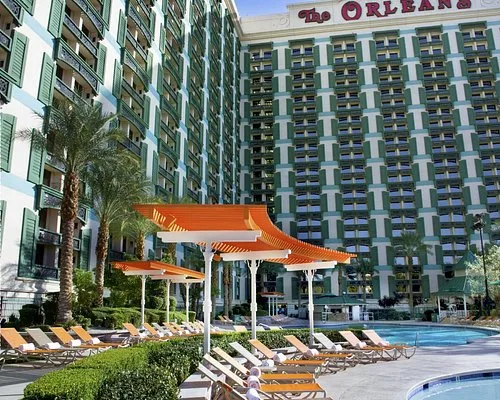
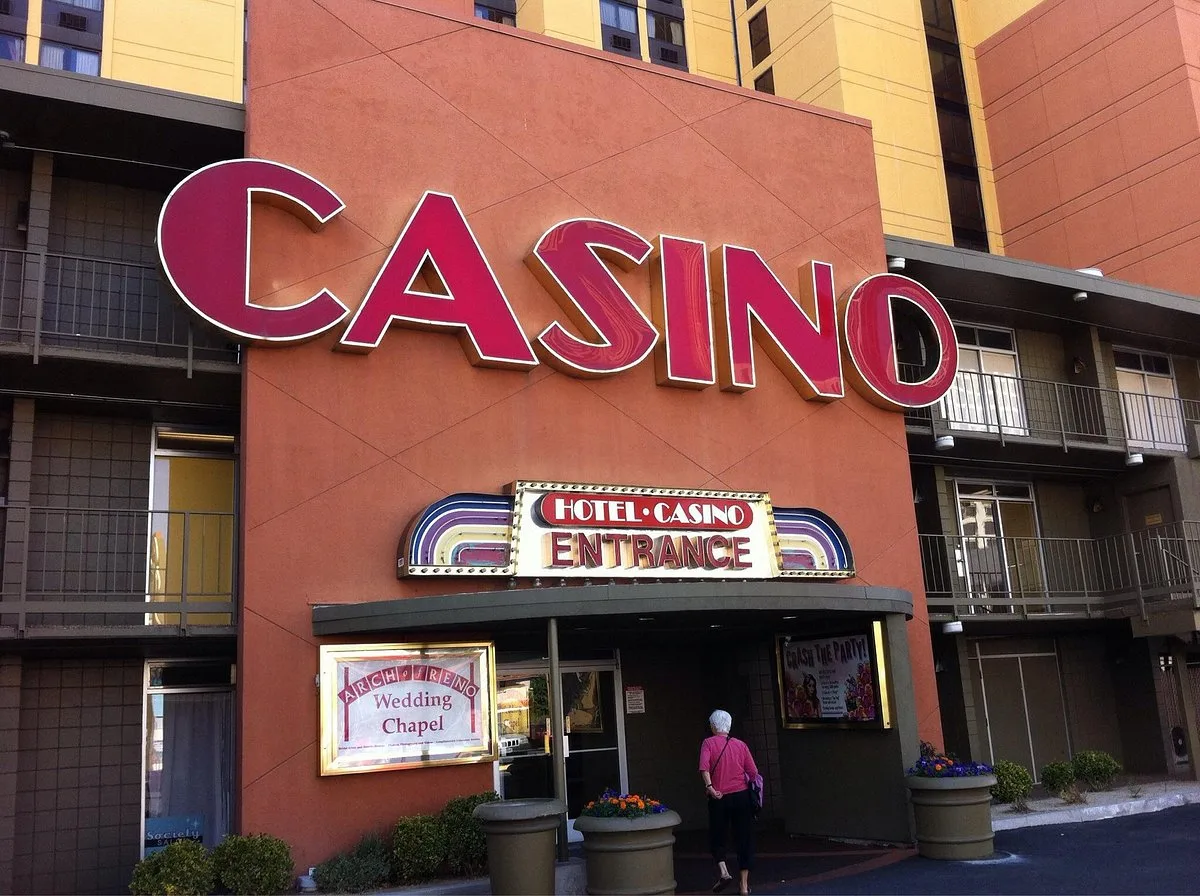
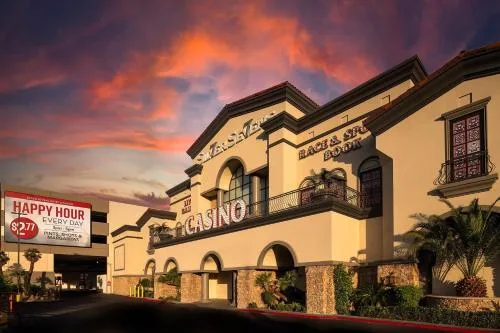
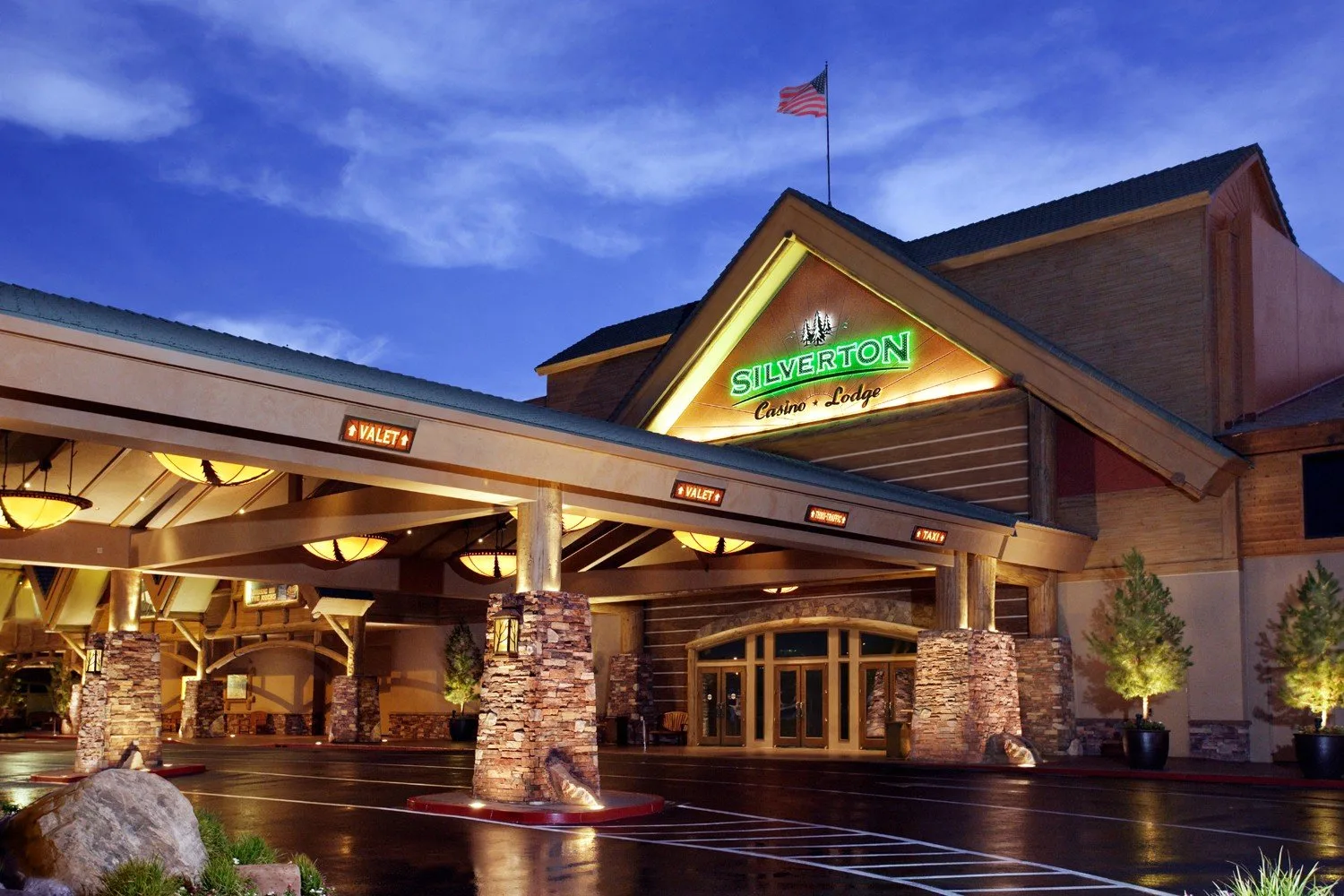
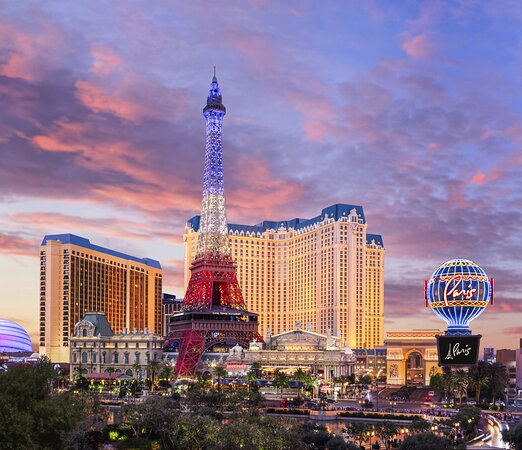
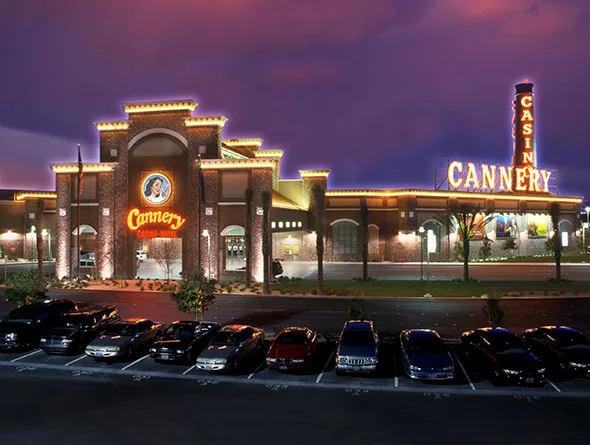
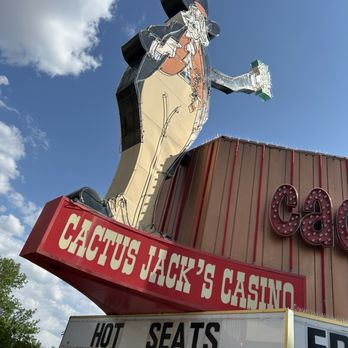
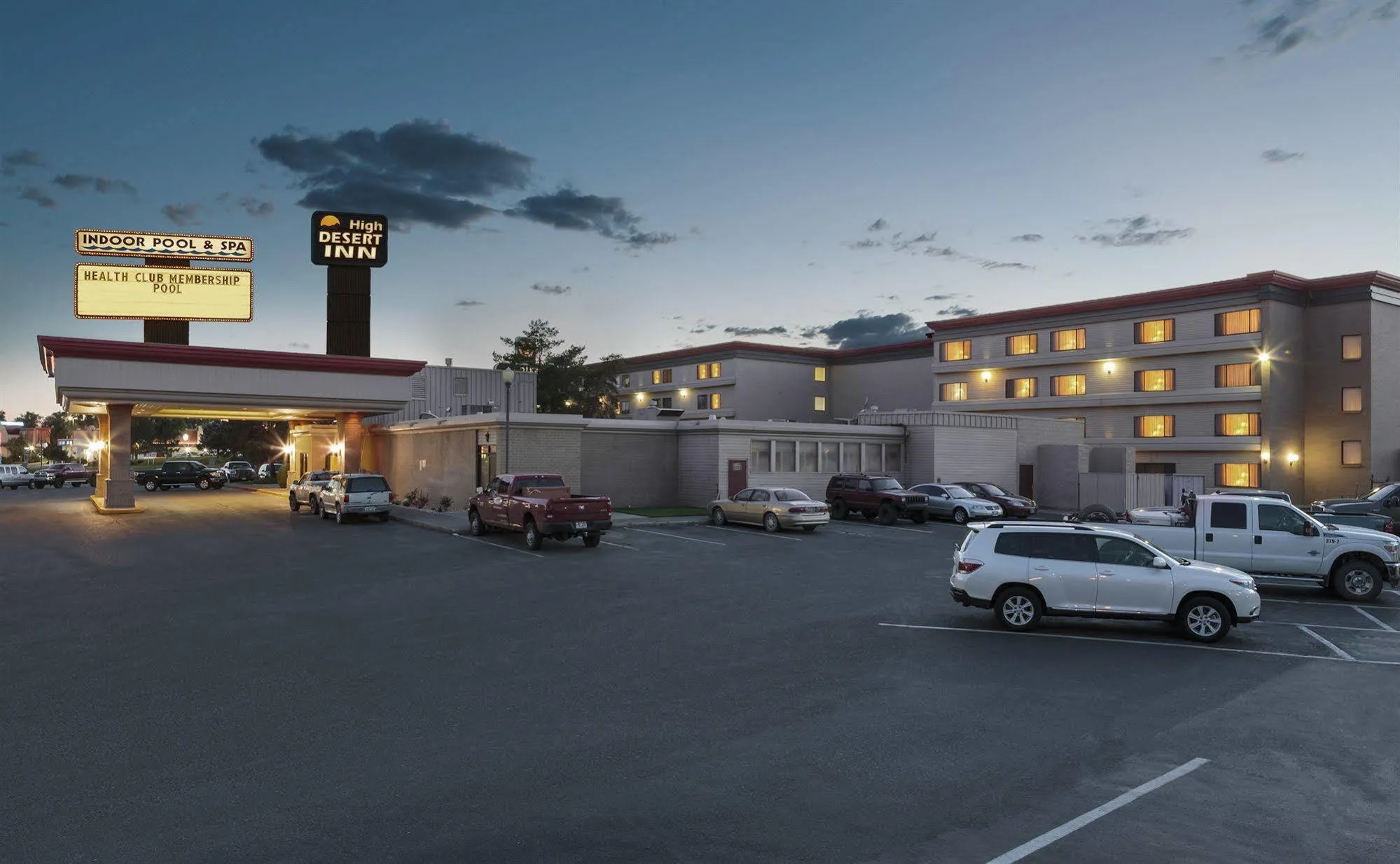
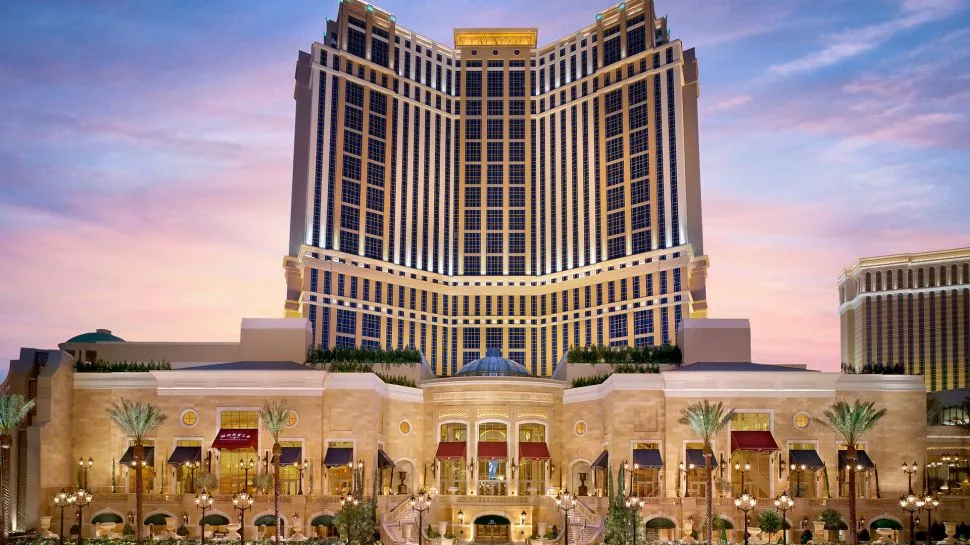
Stateline, Nevada
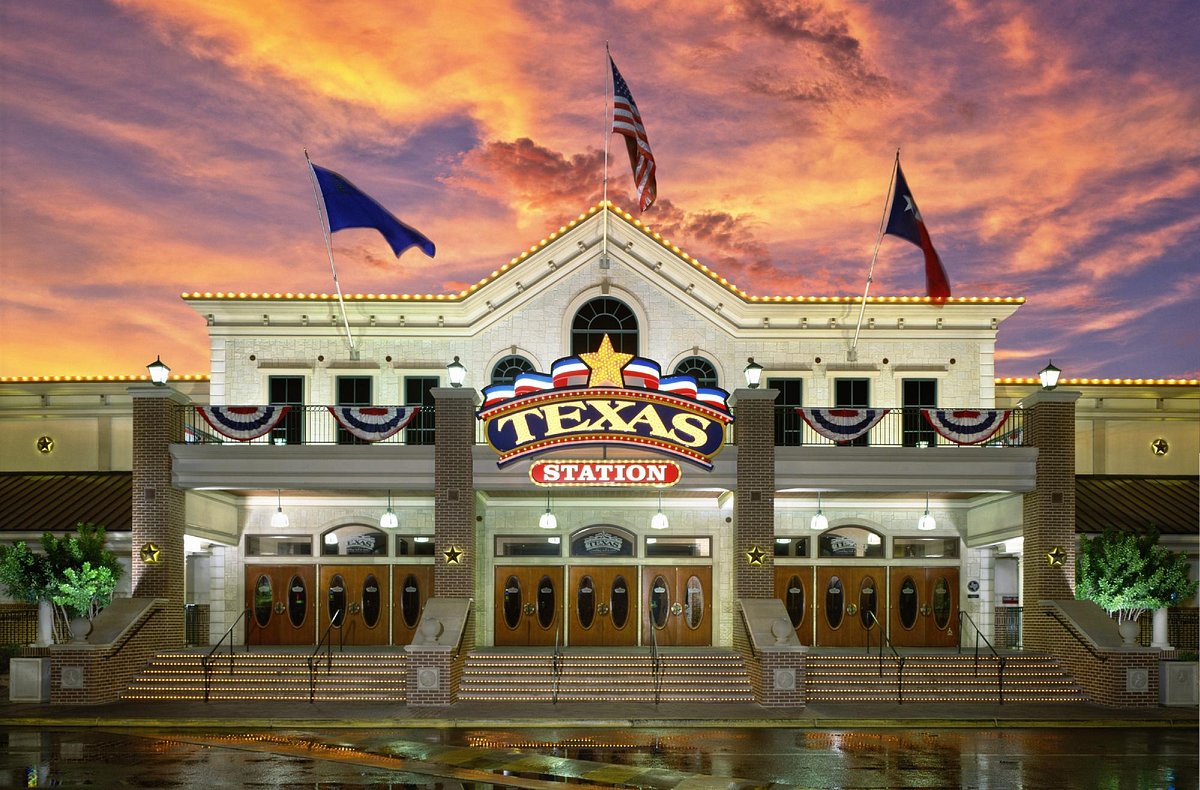
830 slots · 71 tables · 16 poker tables · 24/7
24/7 · Hotel · Dining
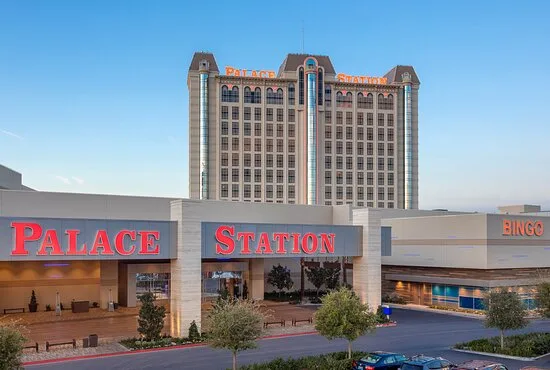
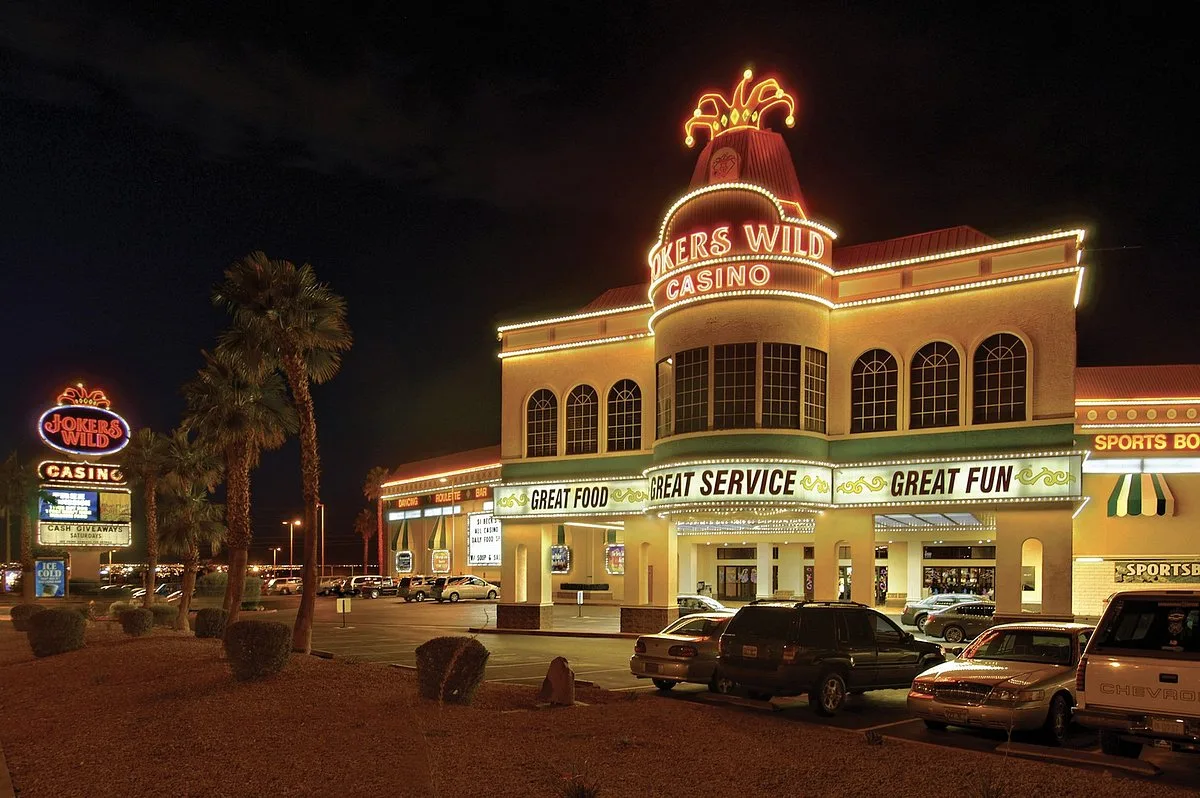
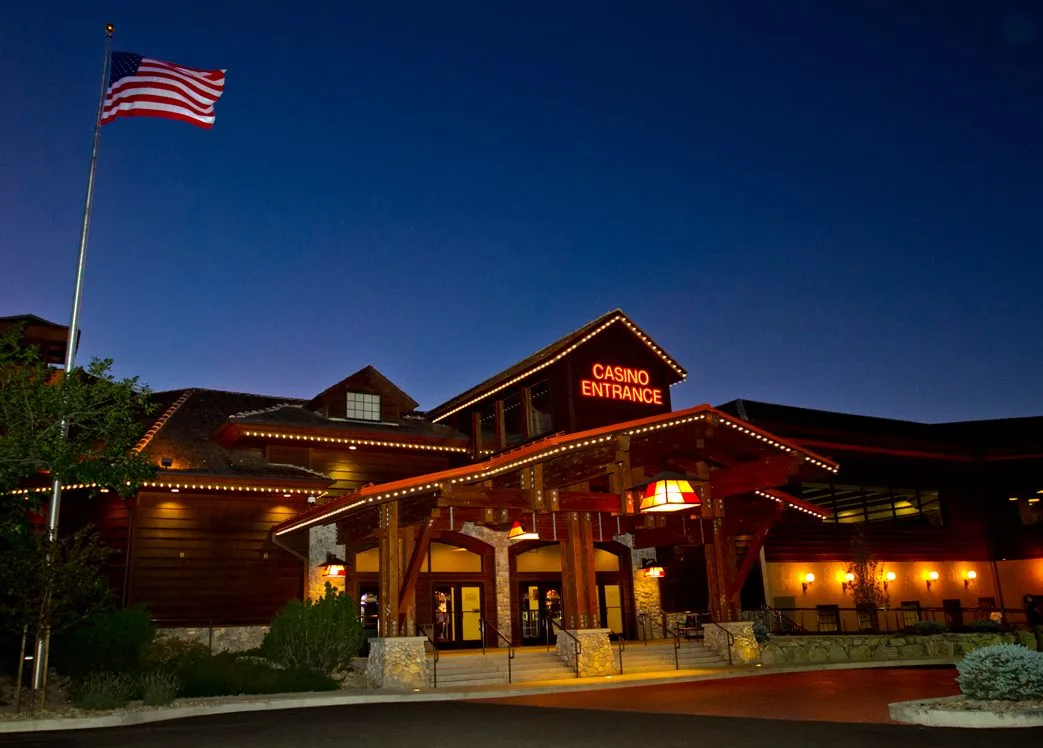
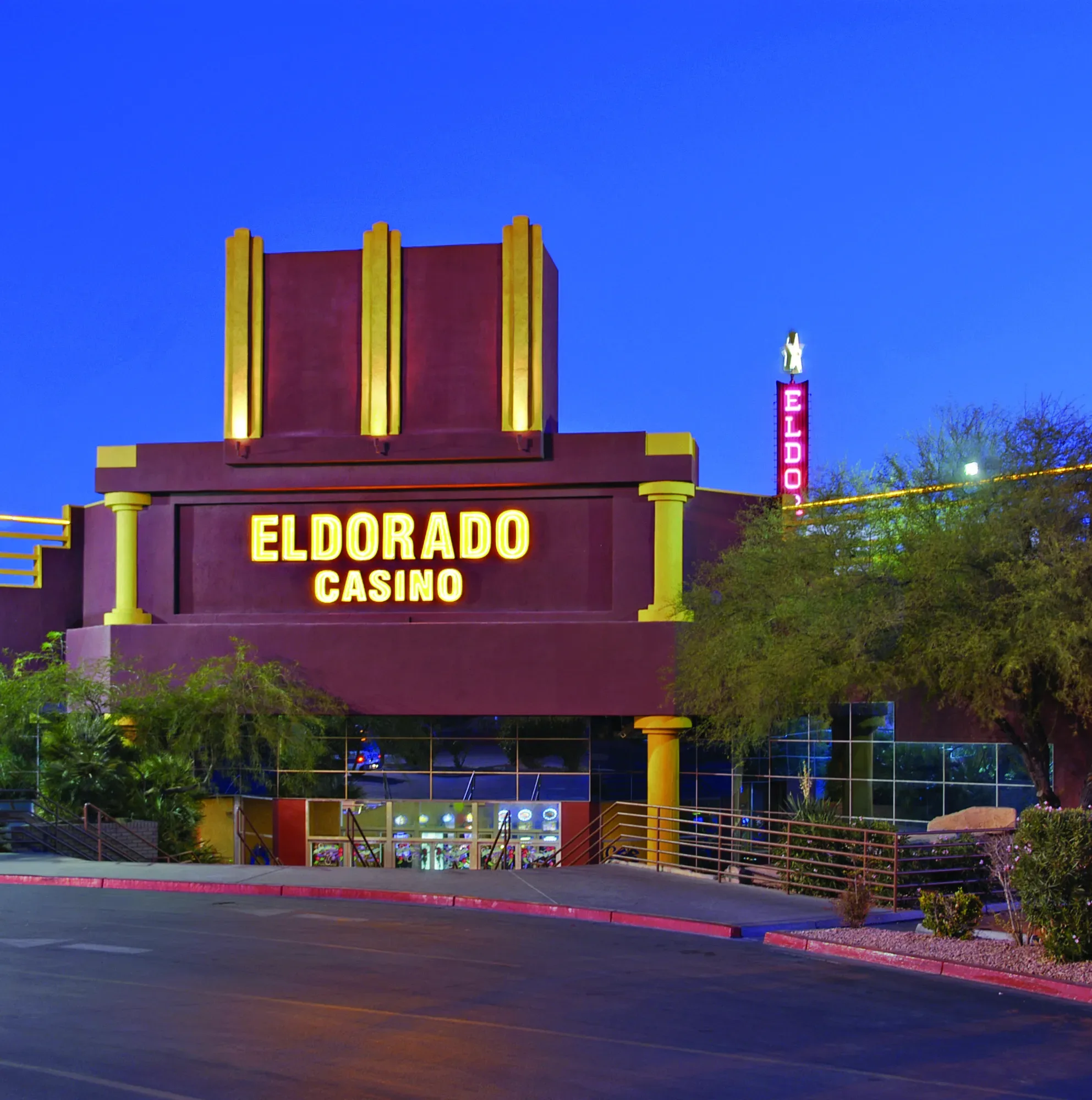
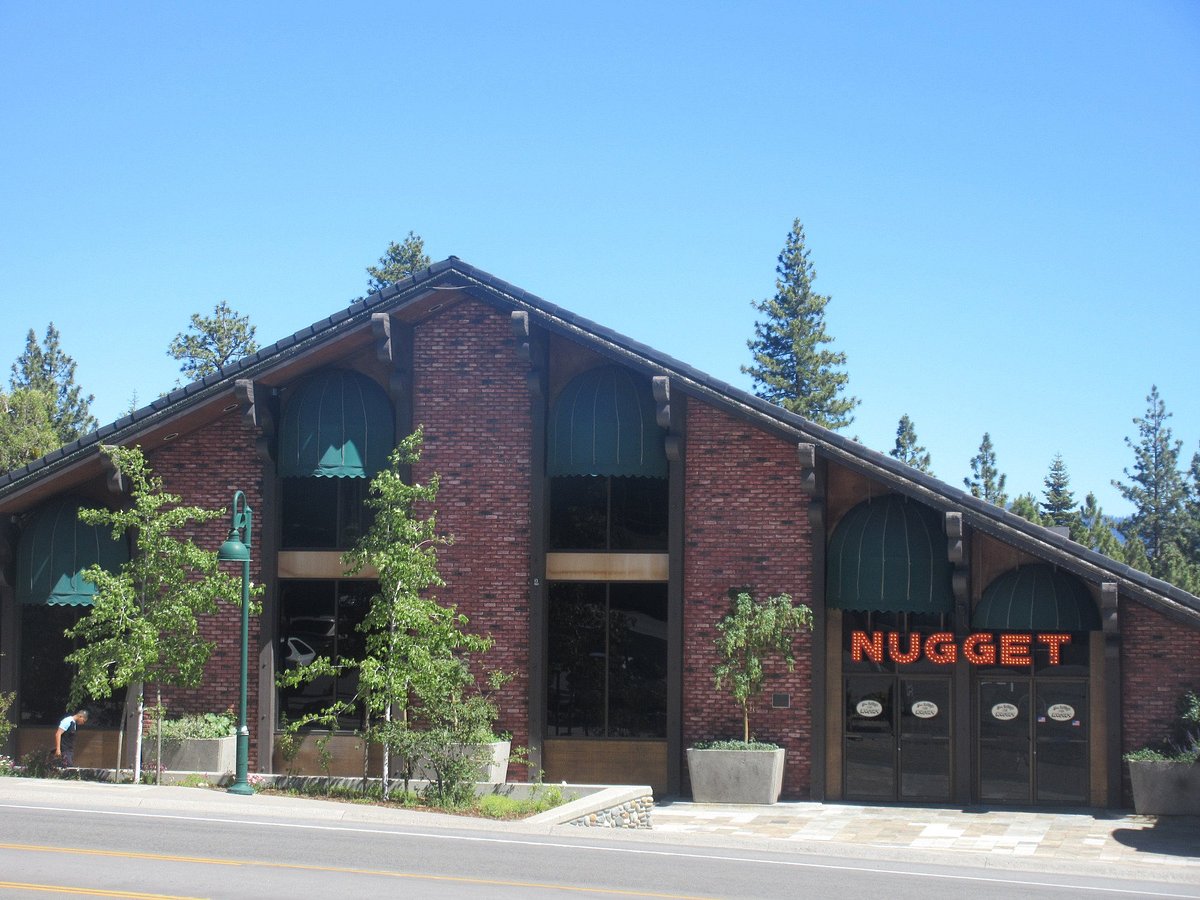
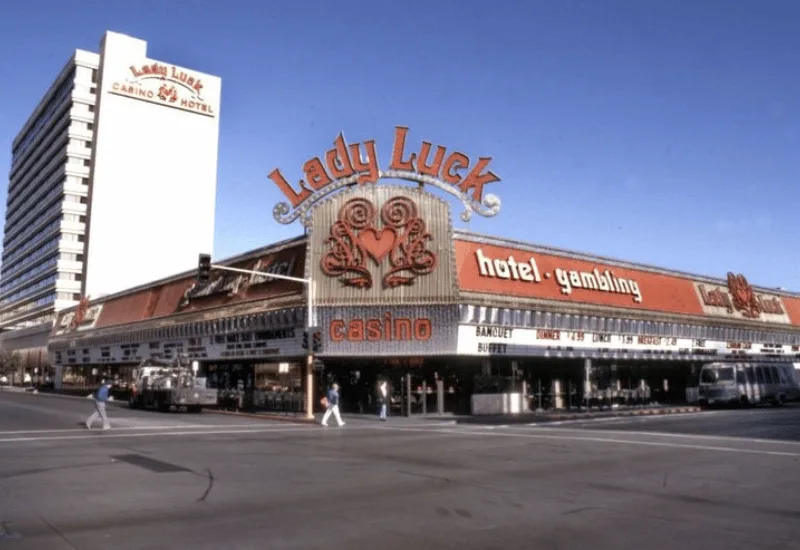
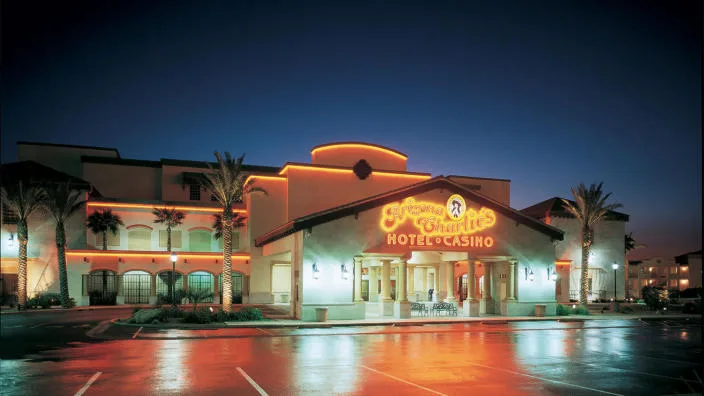
Las Vegas, Nevada
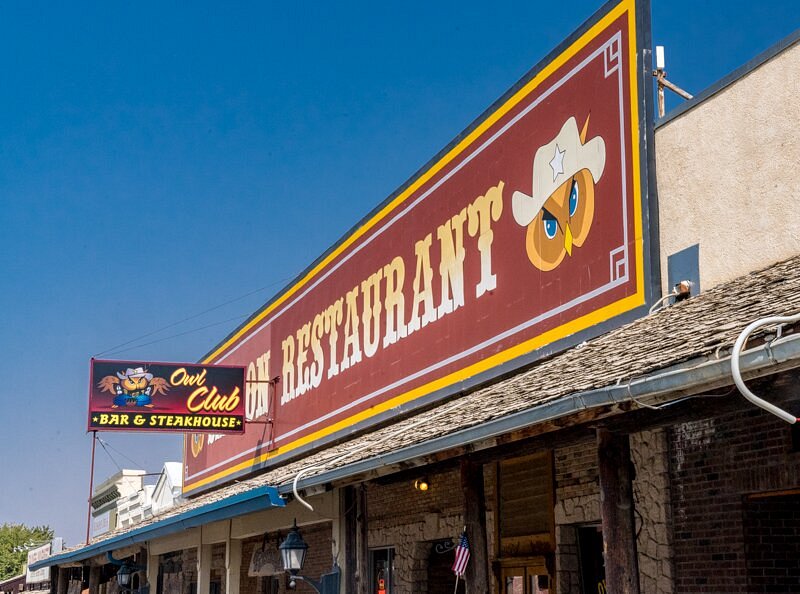
1,600 slots · 45 tables · 6 poker tables · 24/7
24/7 · Dining
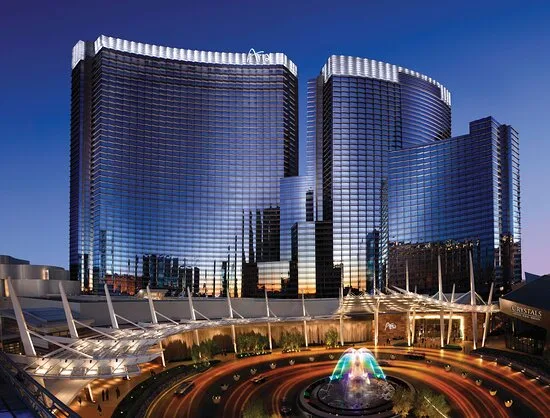
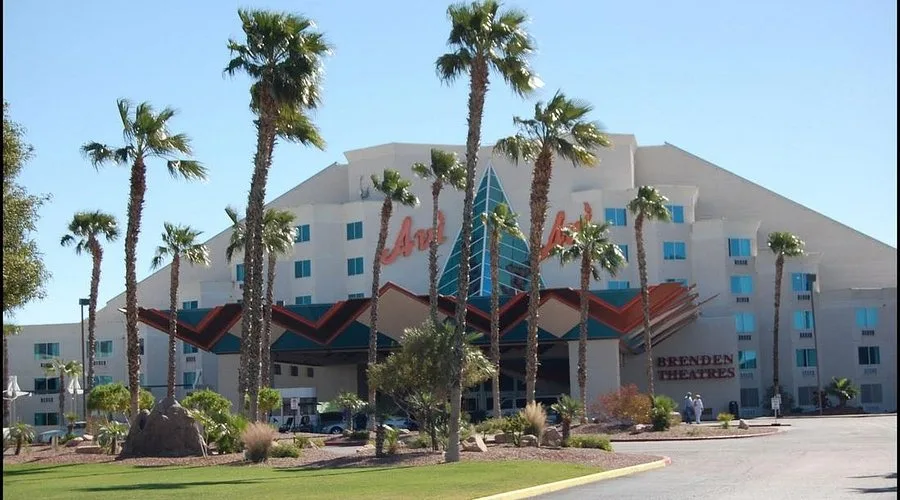
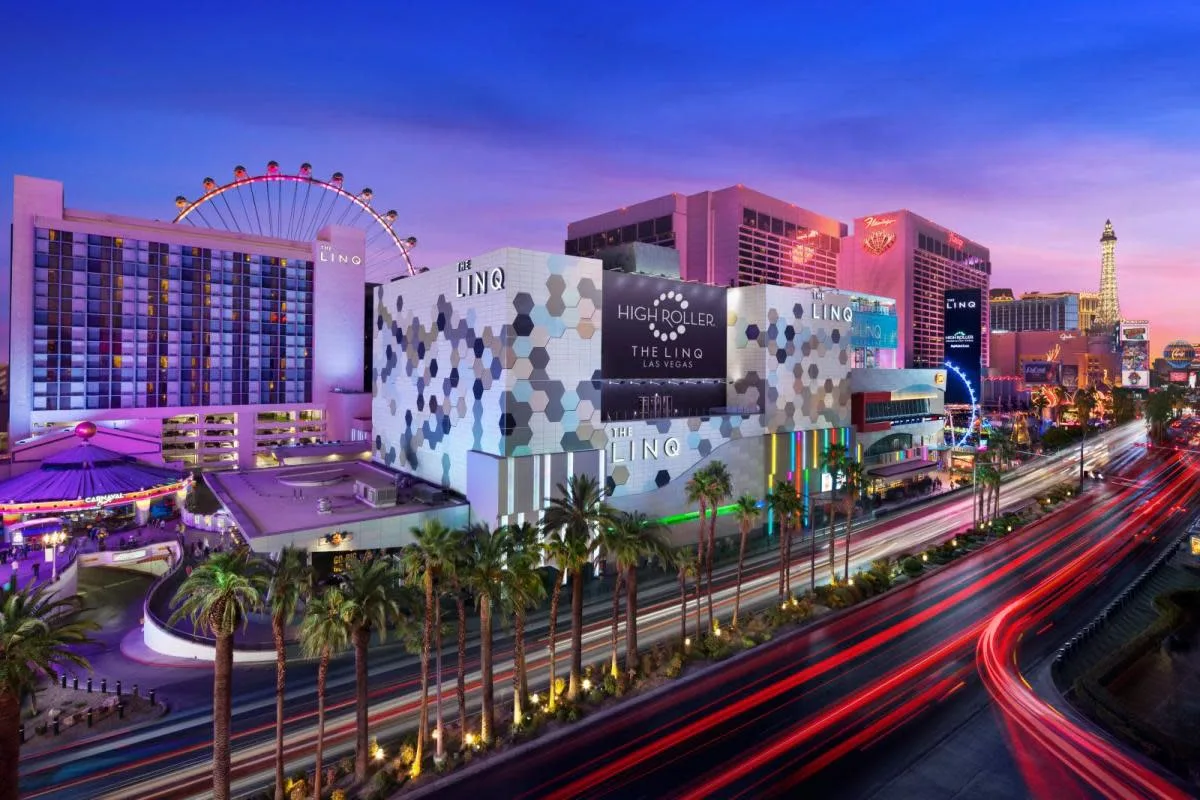
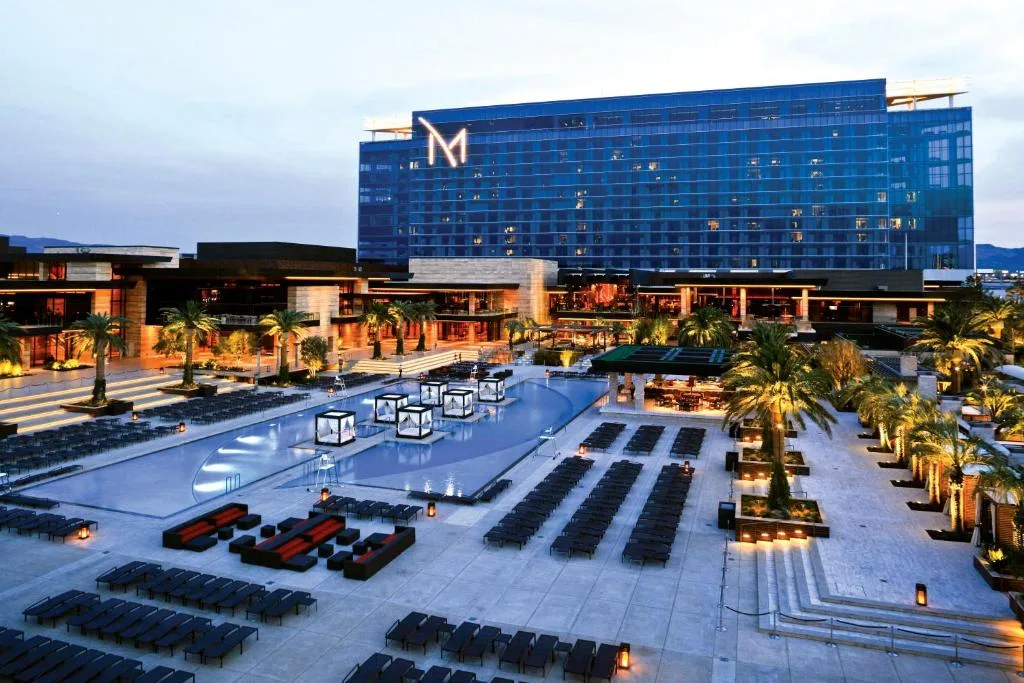
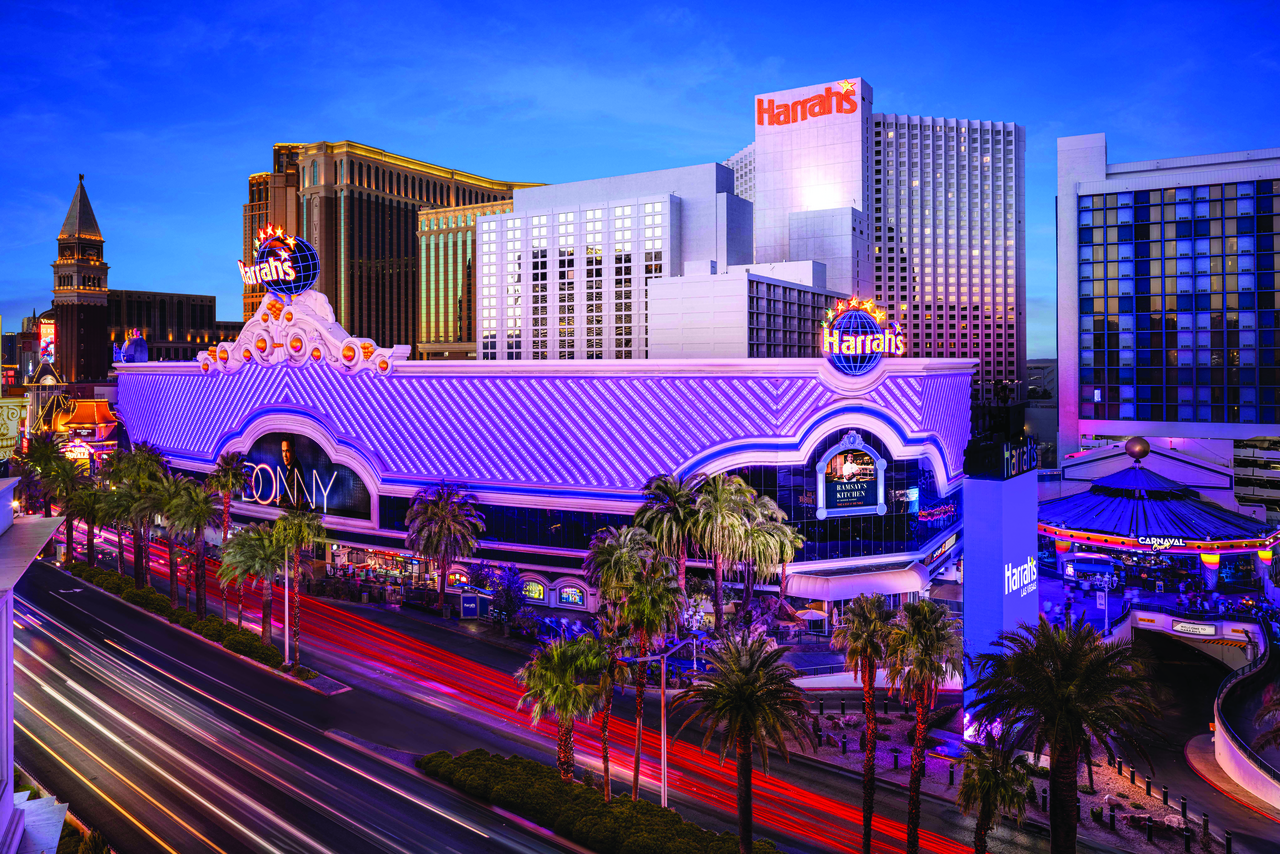
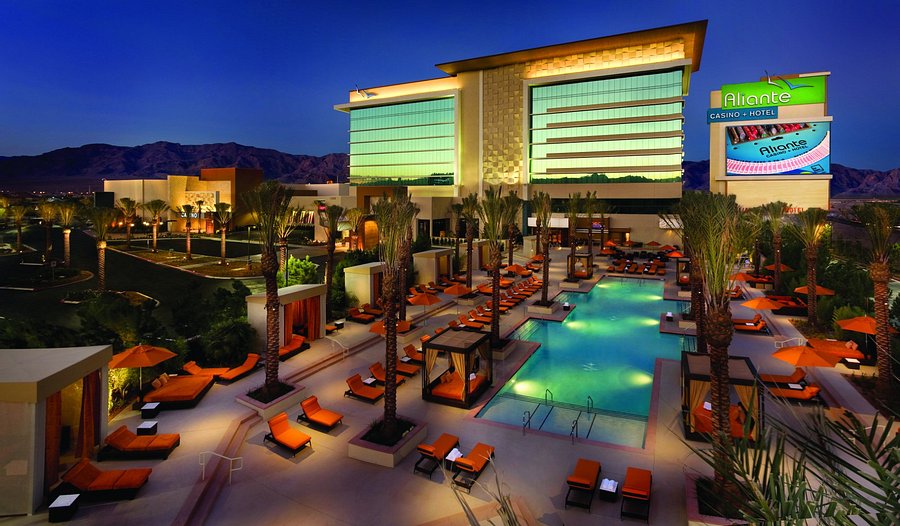
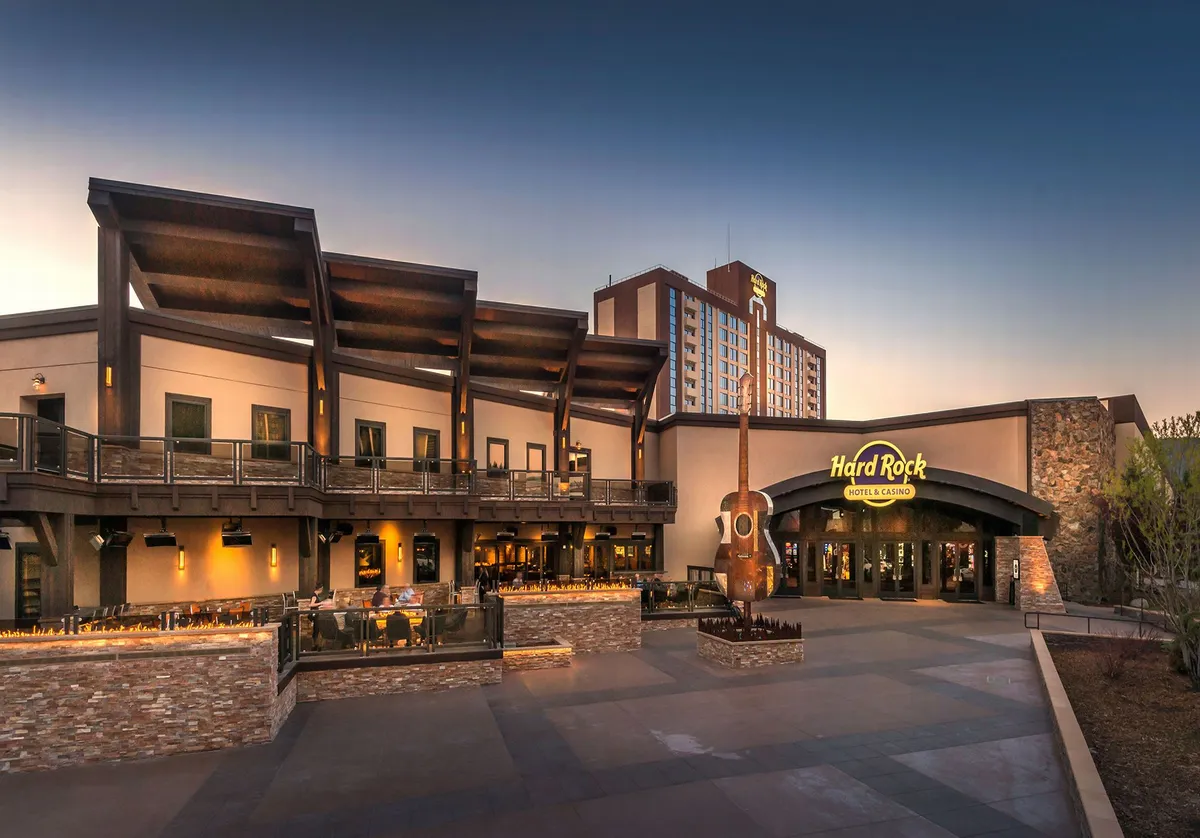
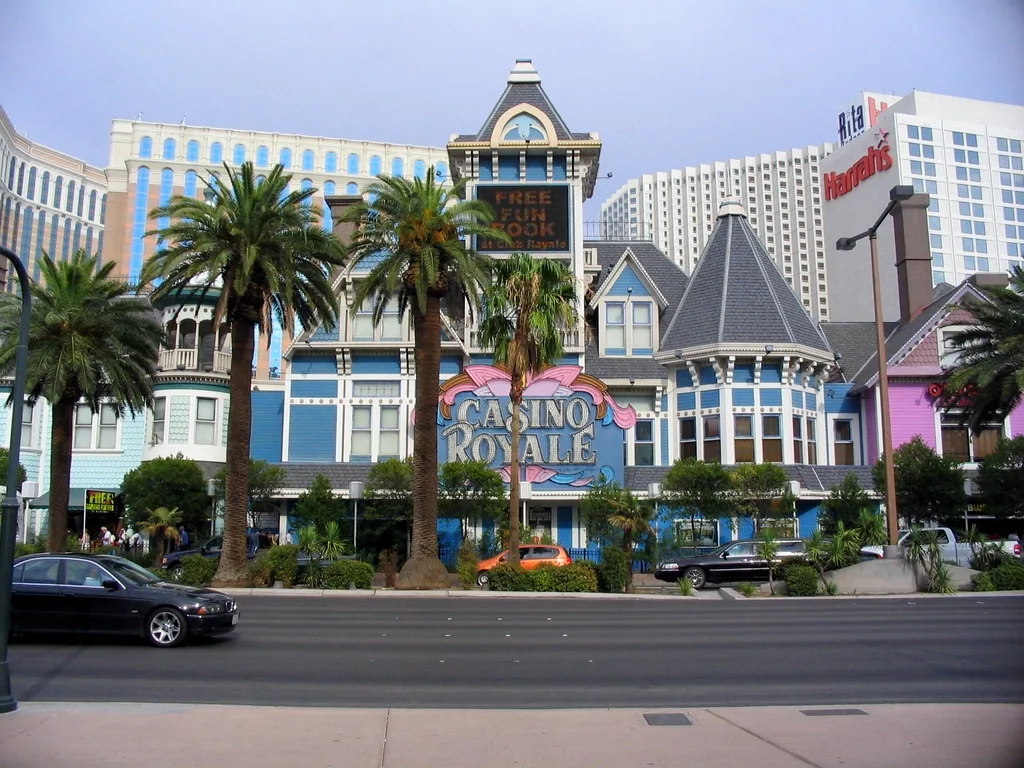
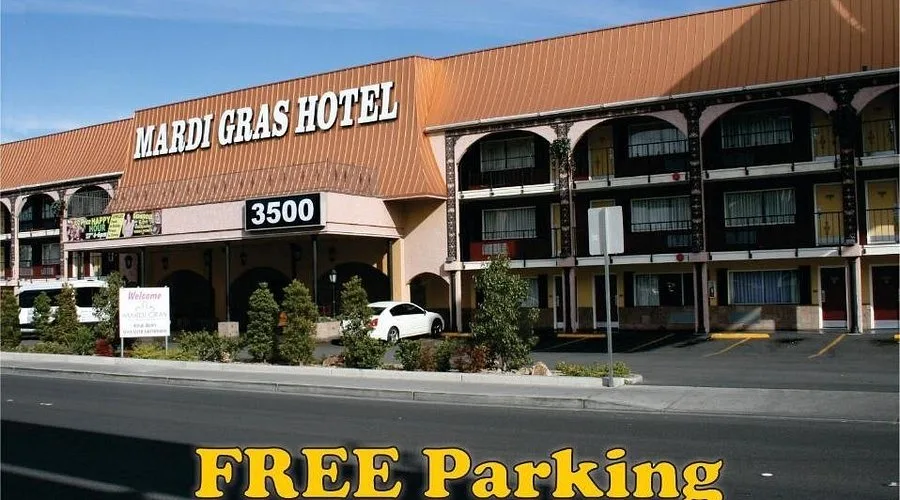
Paradise, Nevada
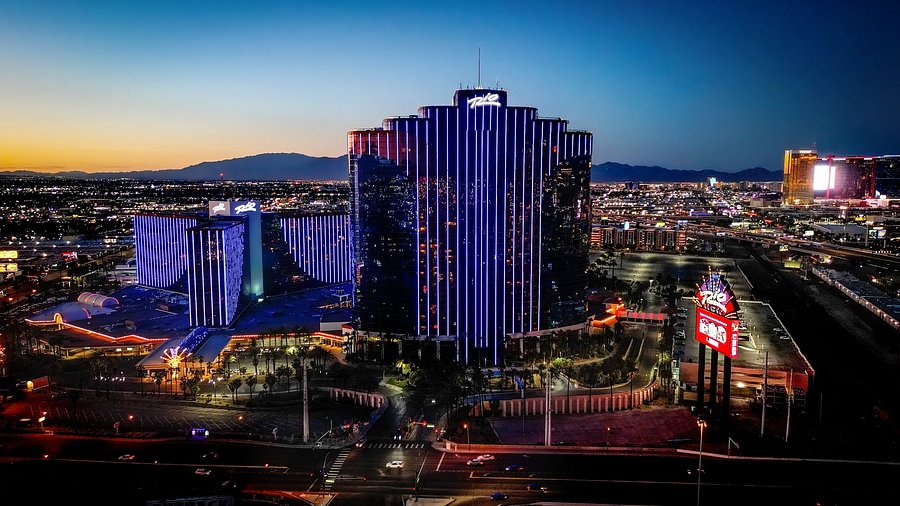
2,000 slots · 150 tables · 24 poker tables · 24/7
24/7 · Hotel · Dining
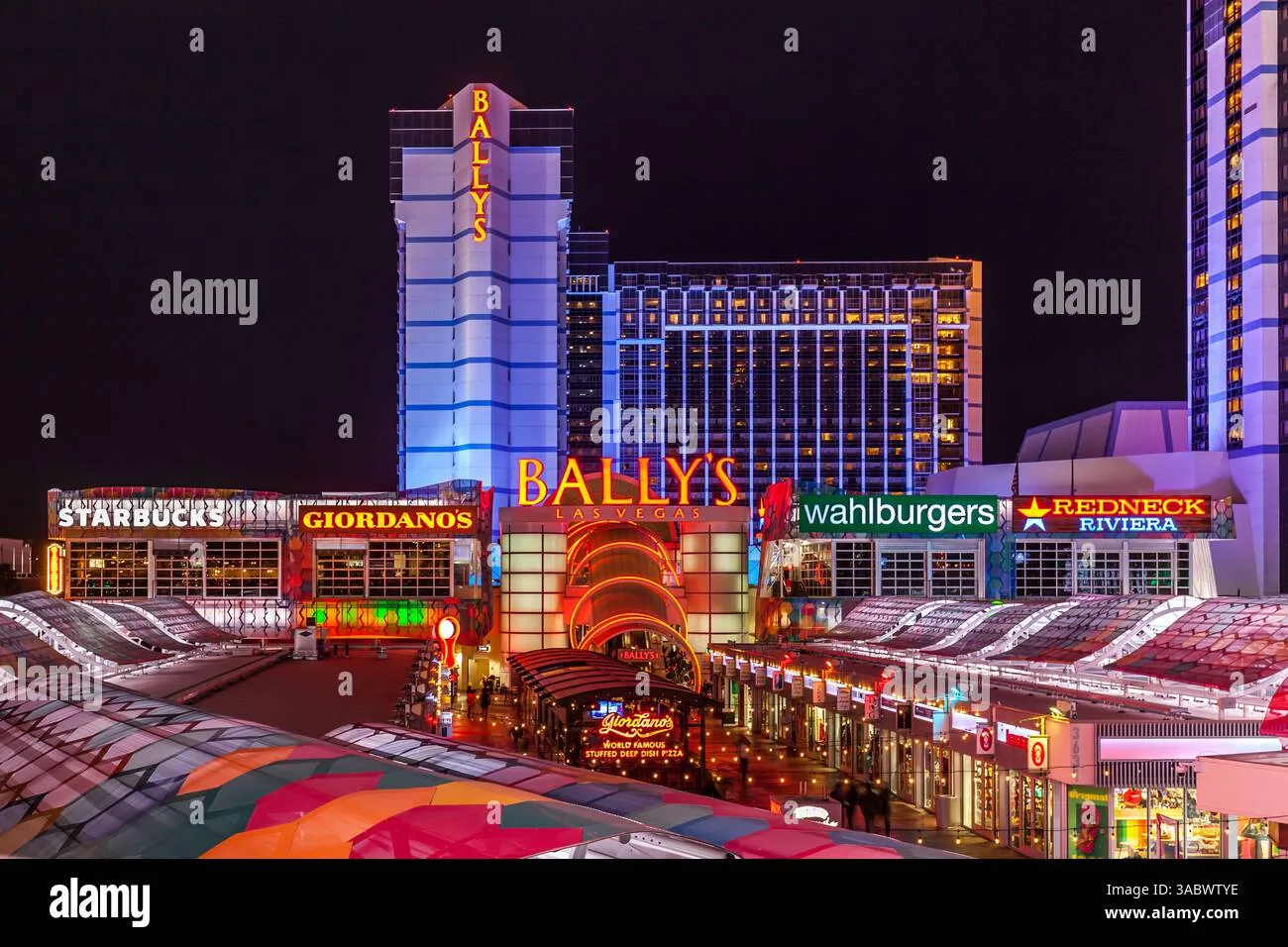
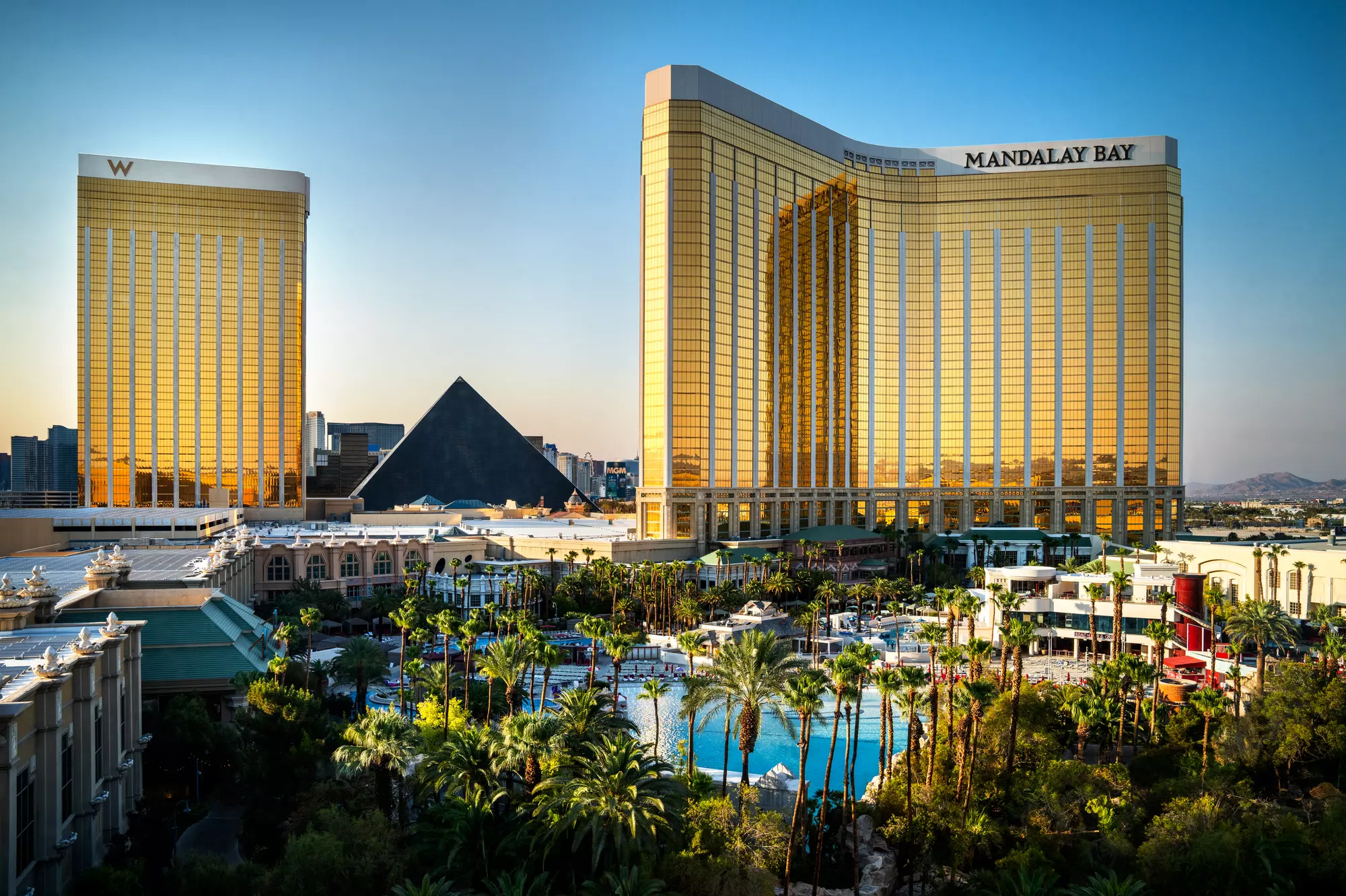
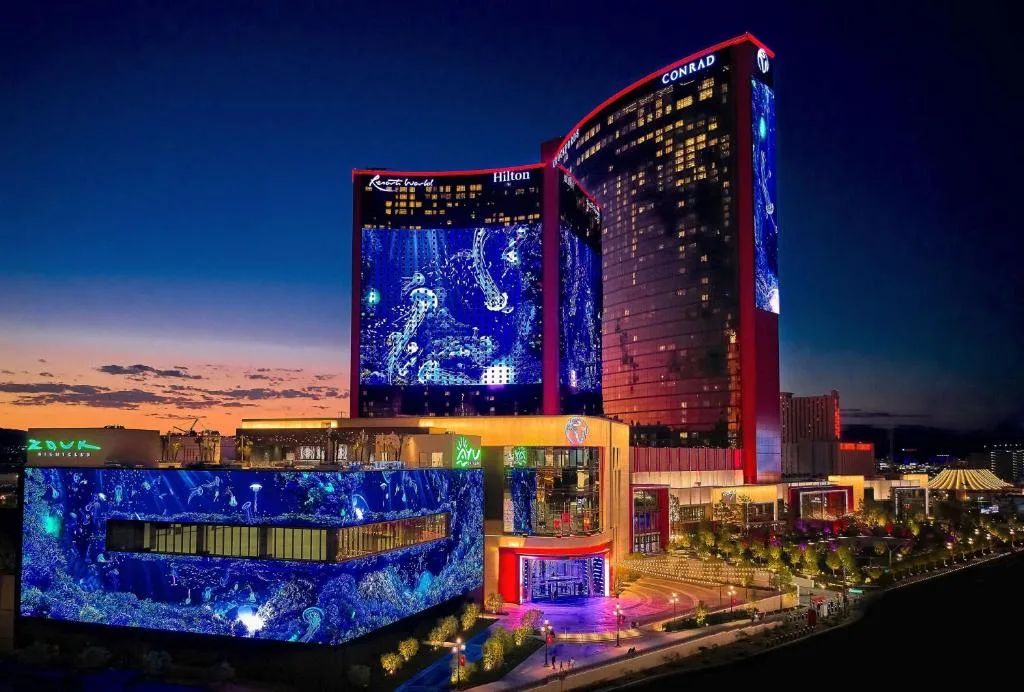
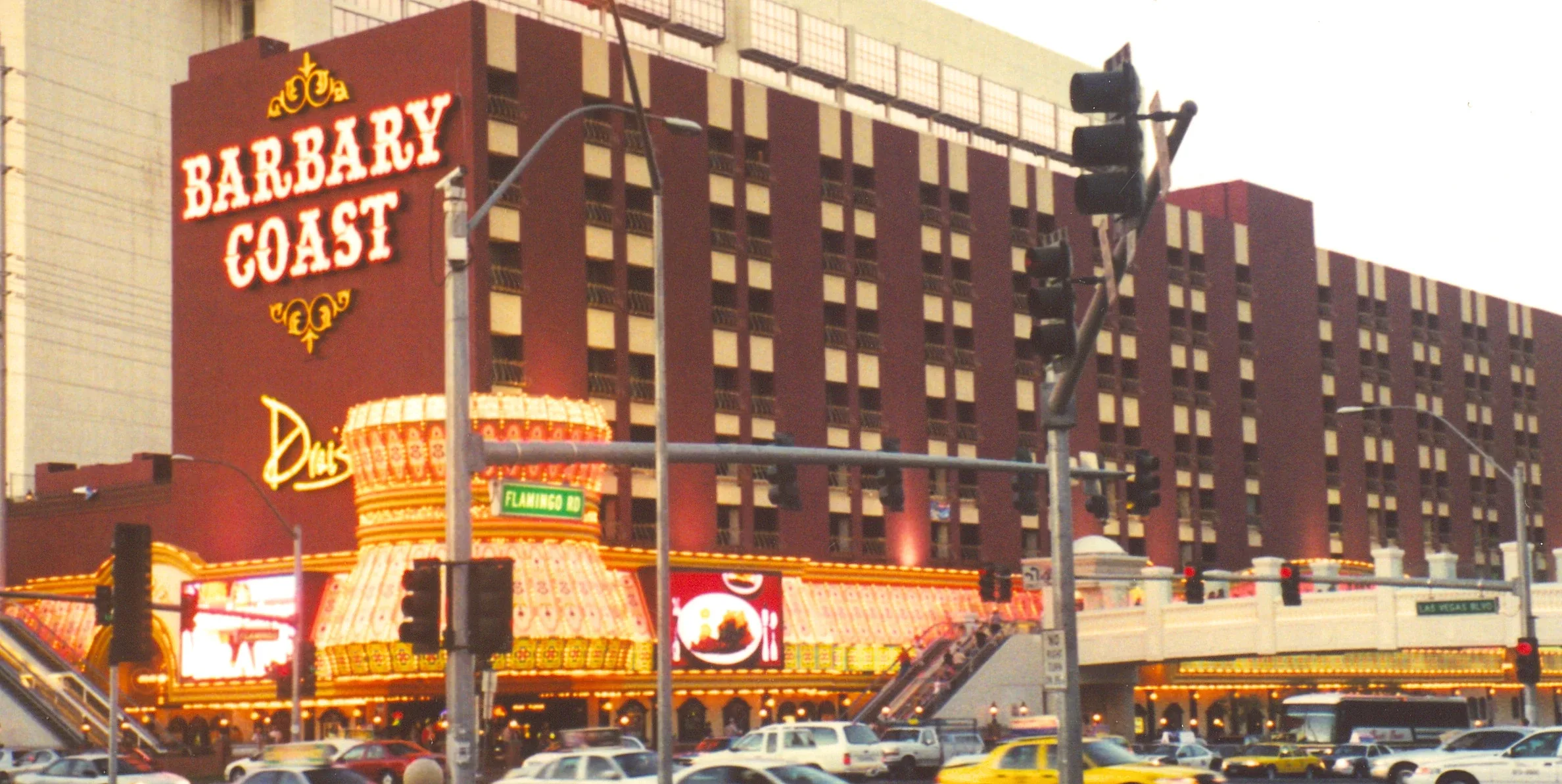
Paradise, Nevada
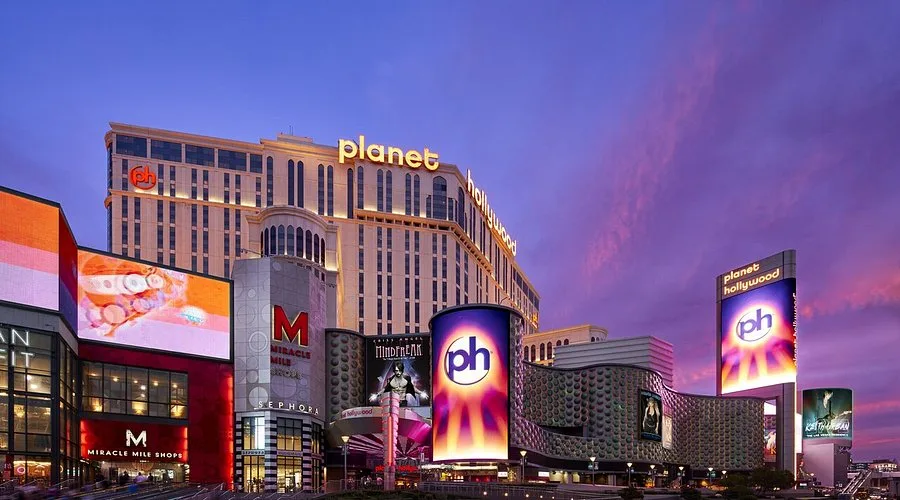
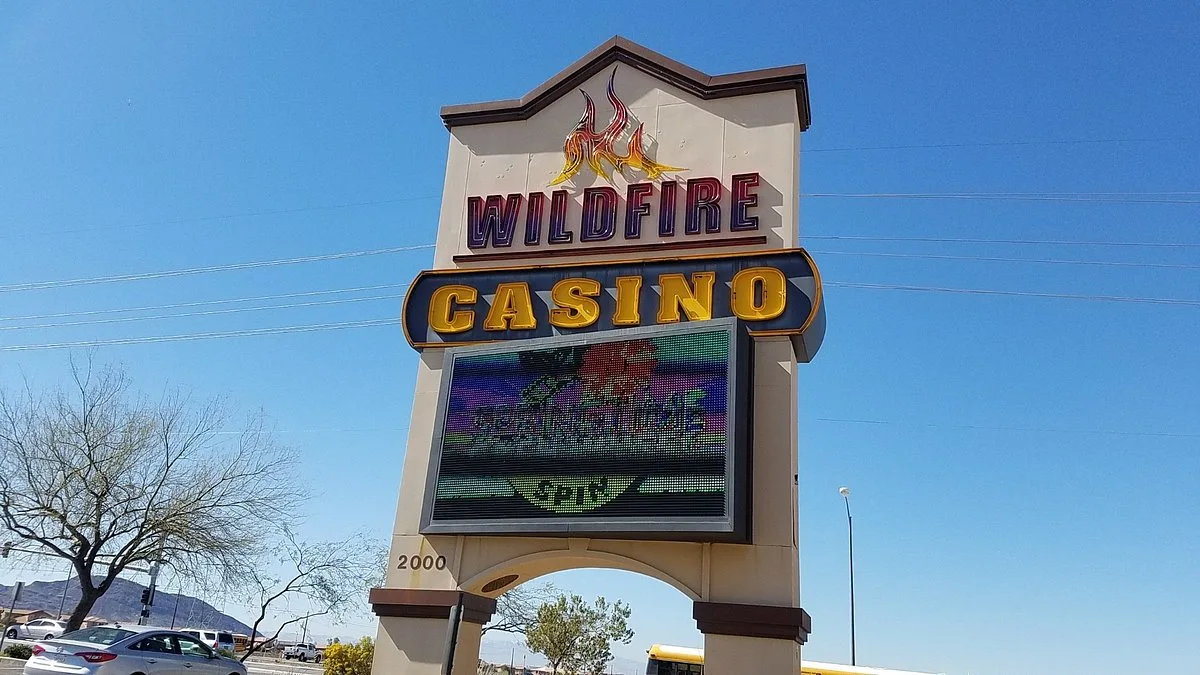
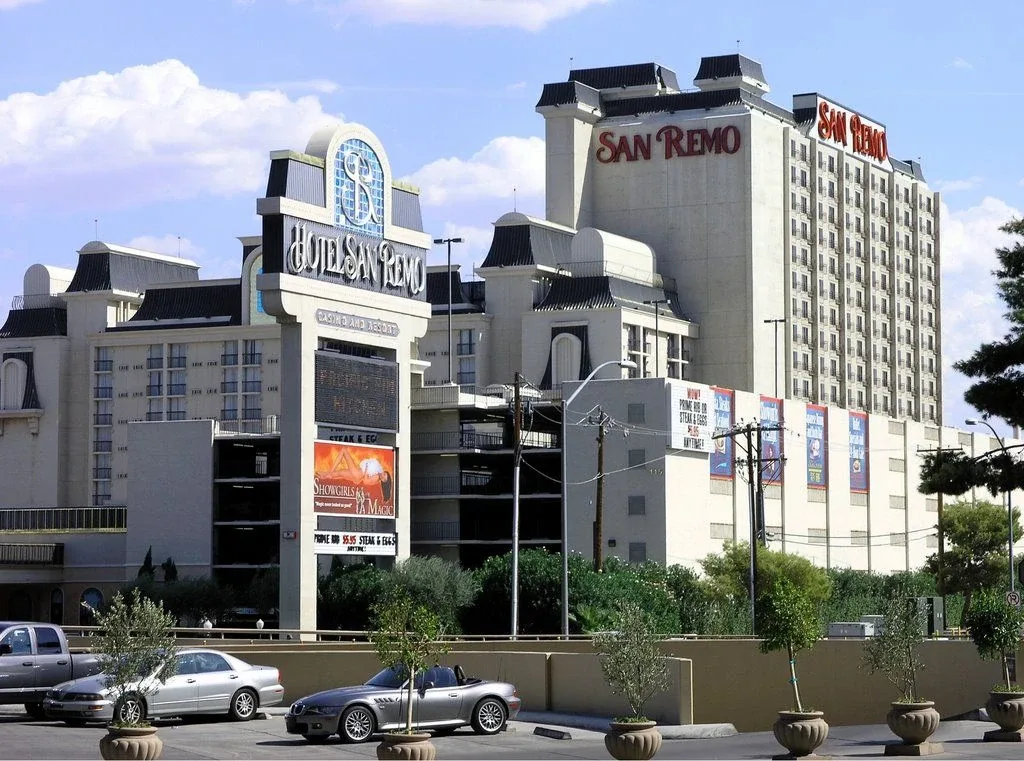
1,250 slots · 65 tables · 14 poker tables · 24/7
24/7 · Dining
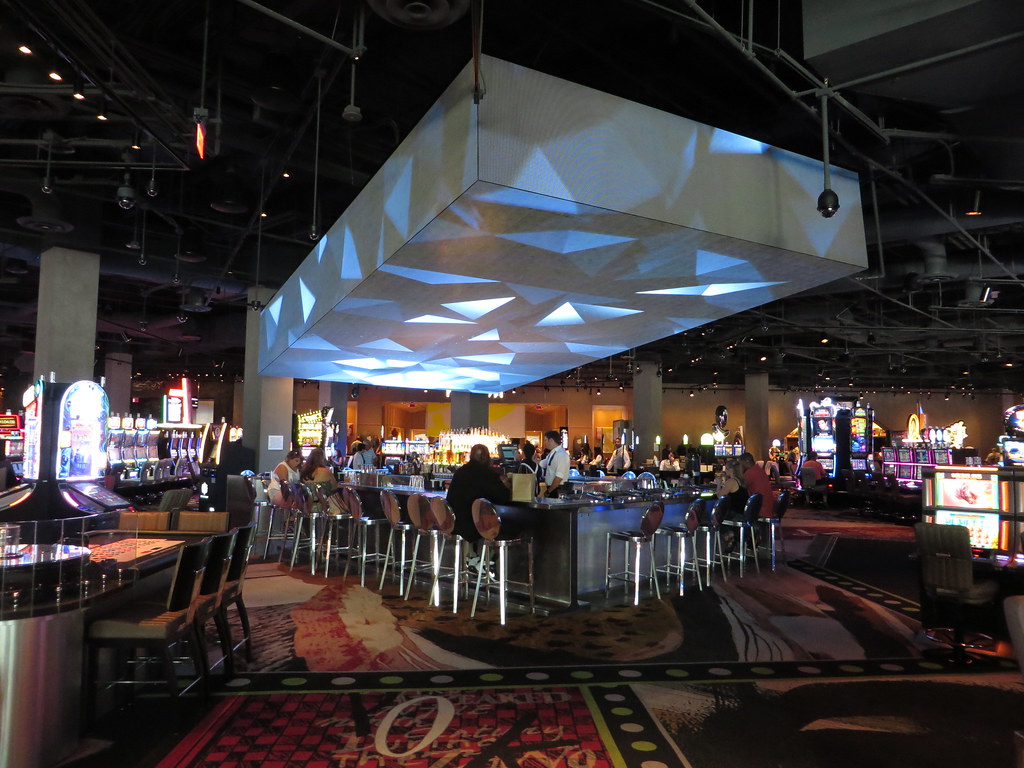
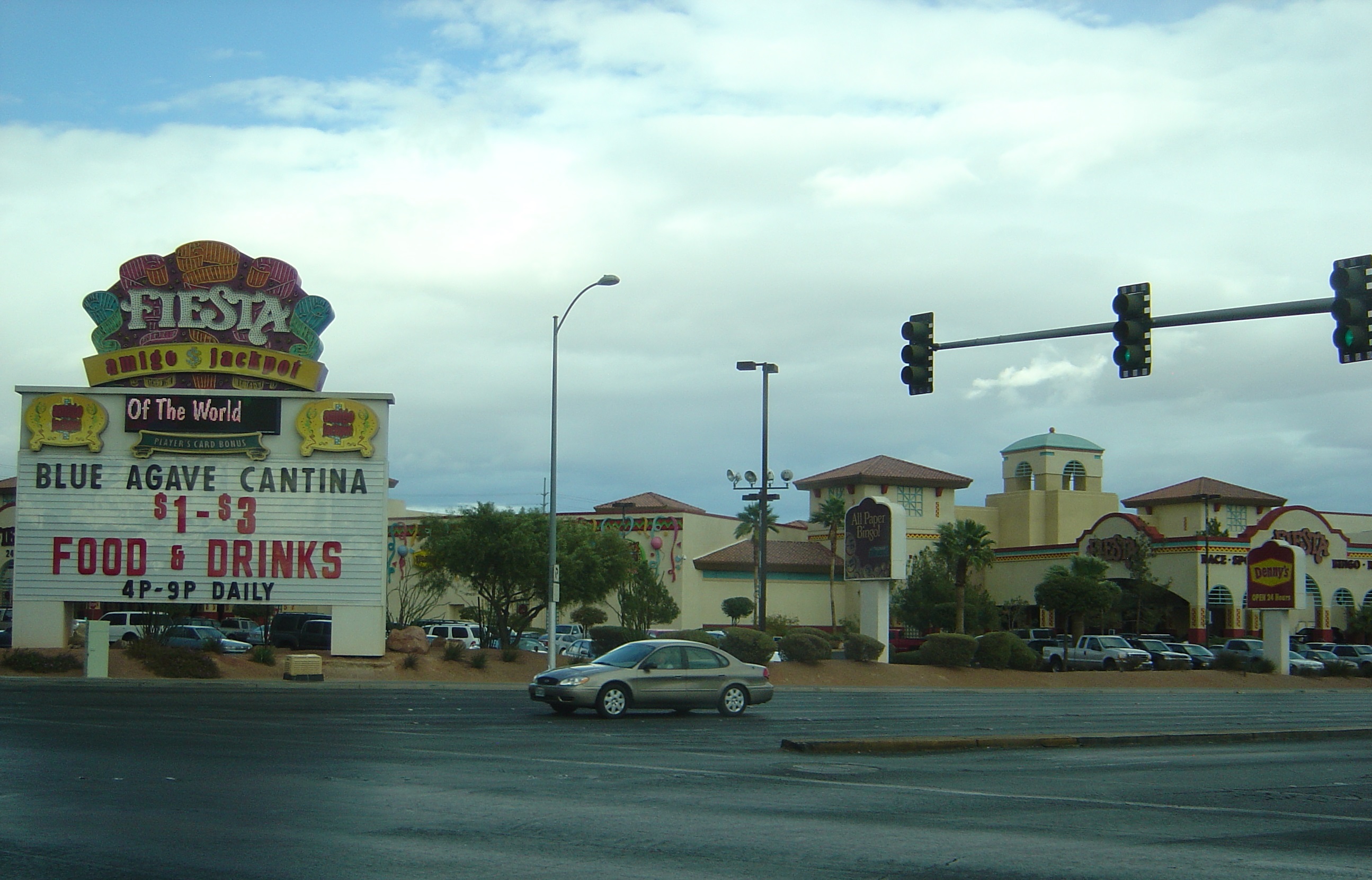
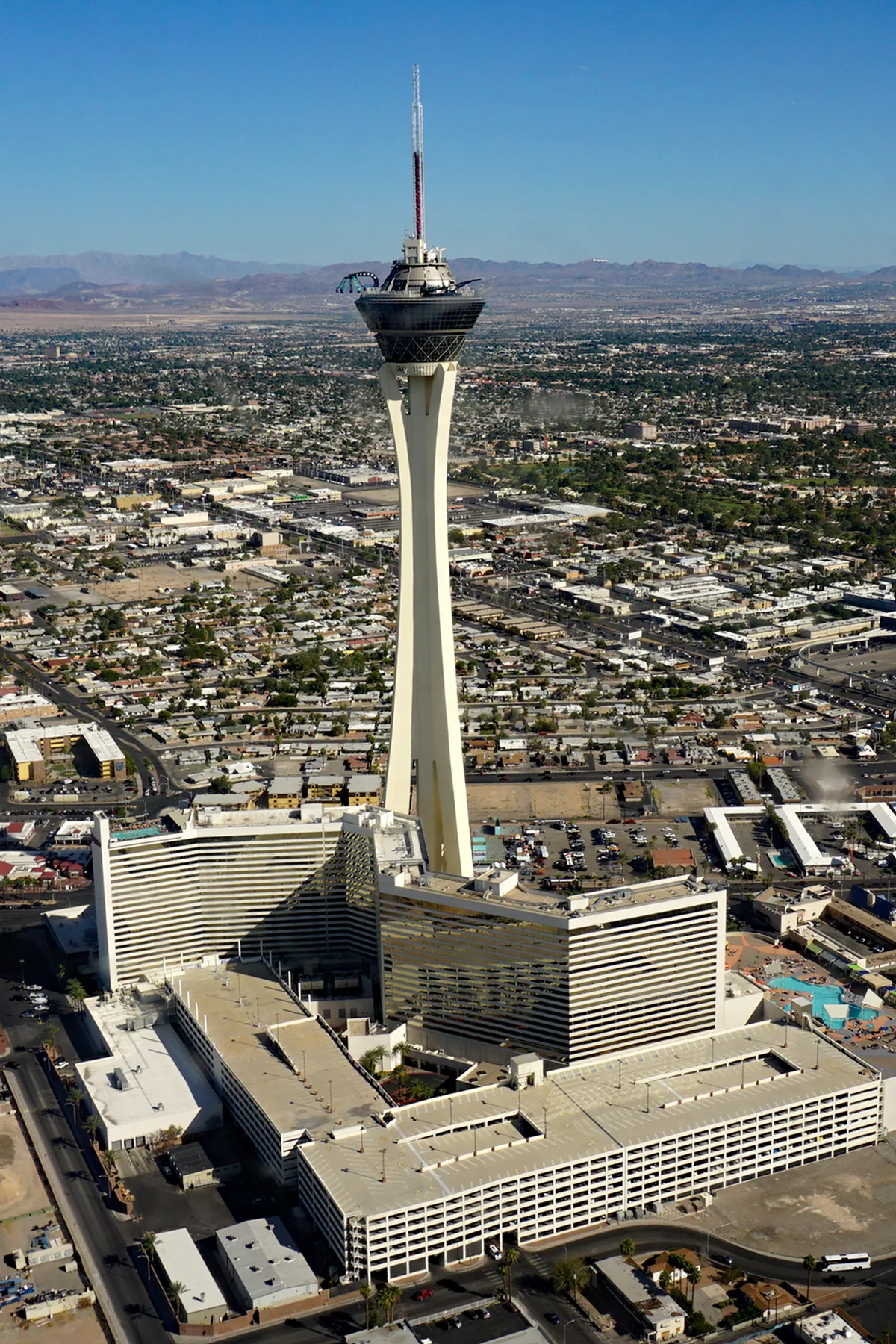
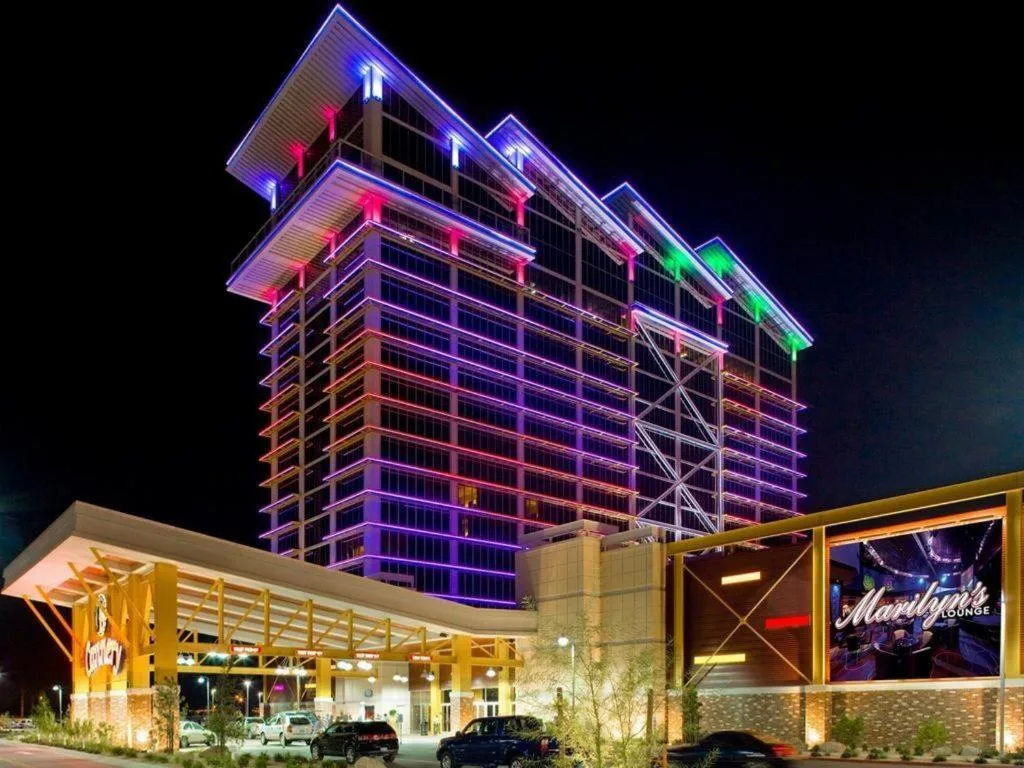
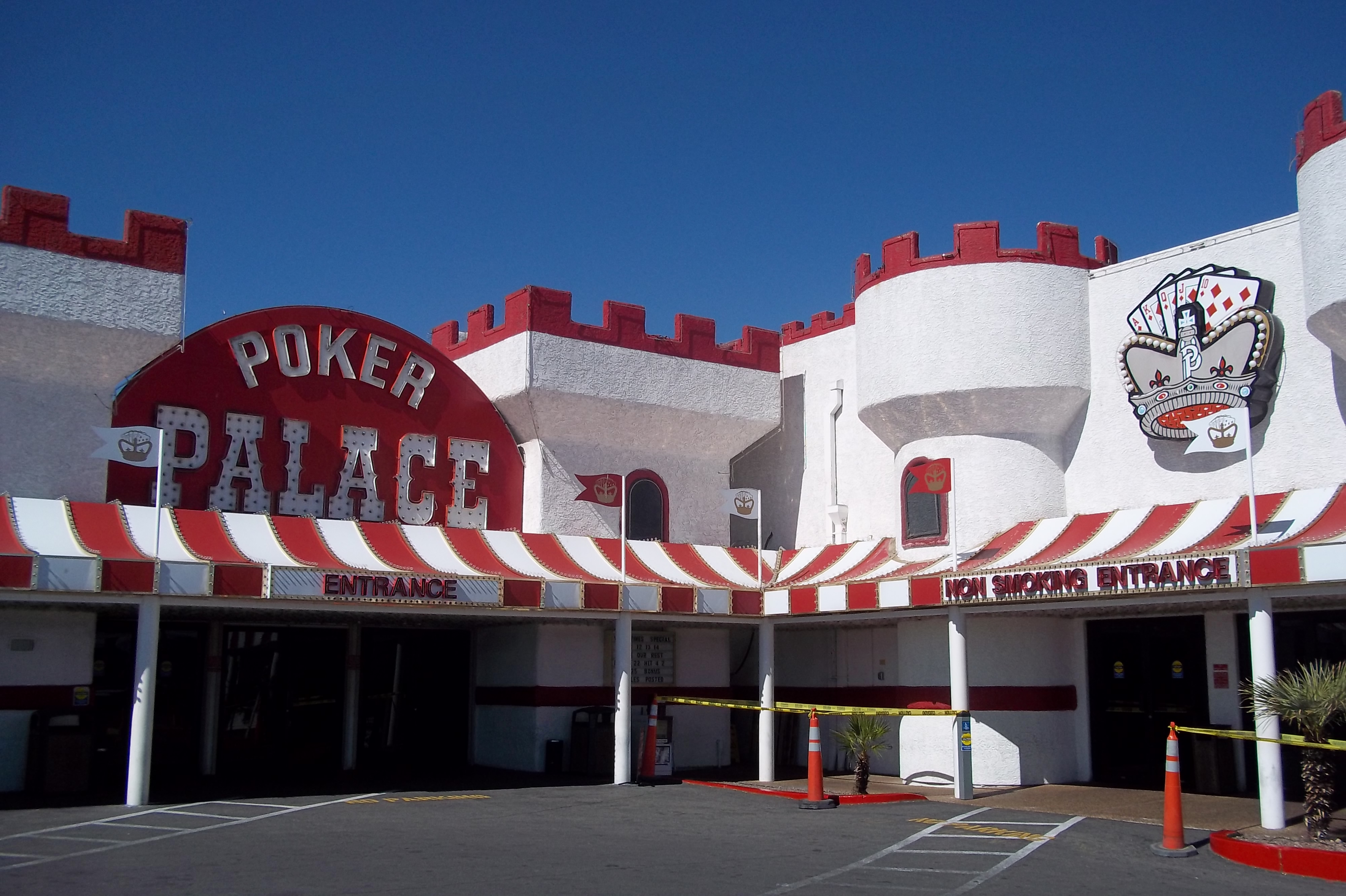
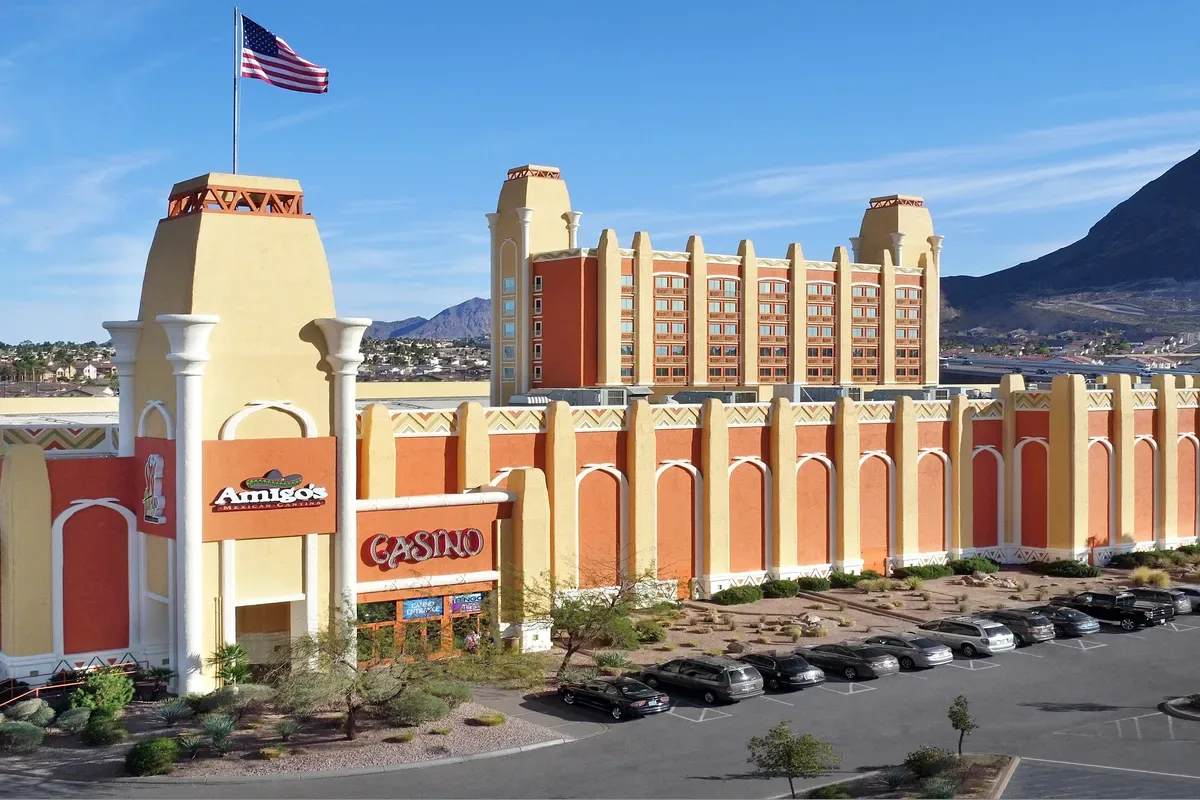
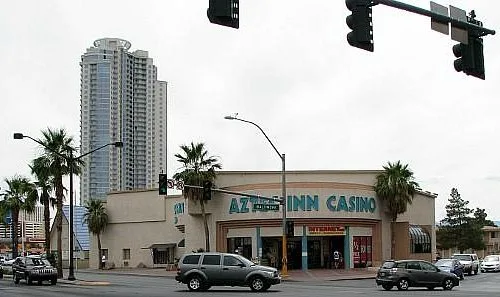
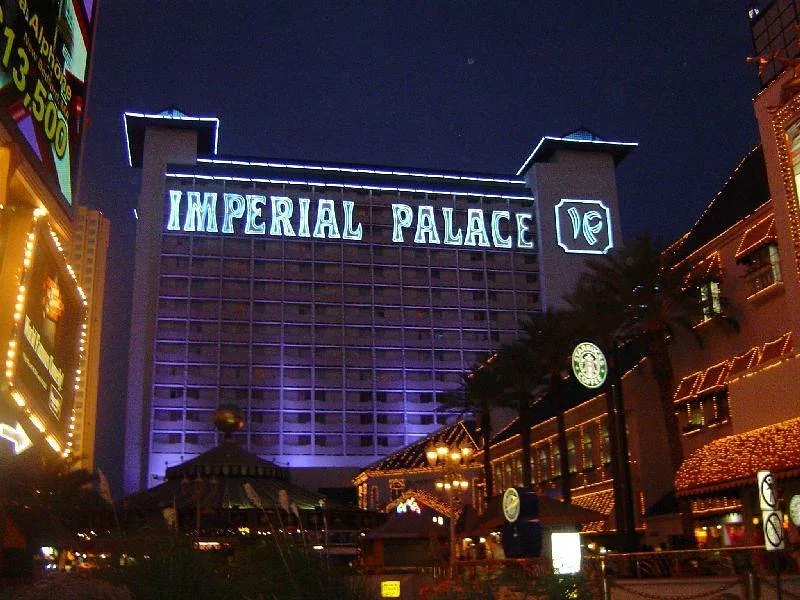
Winchester, Nevada
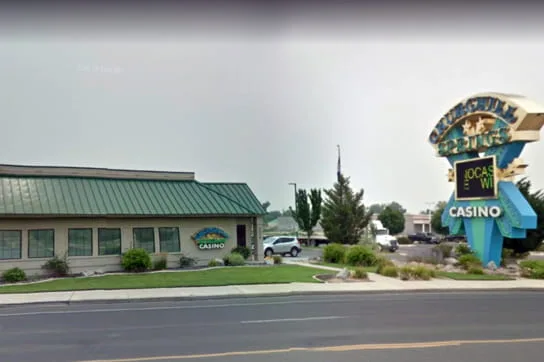
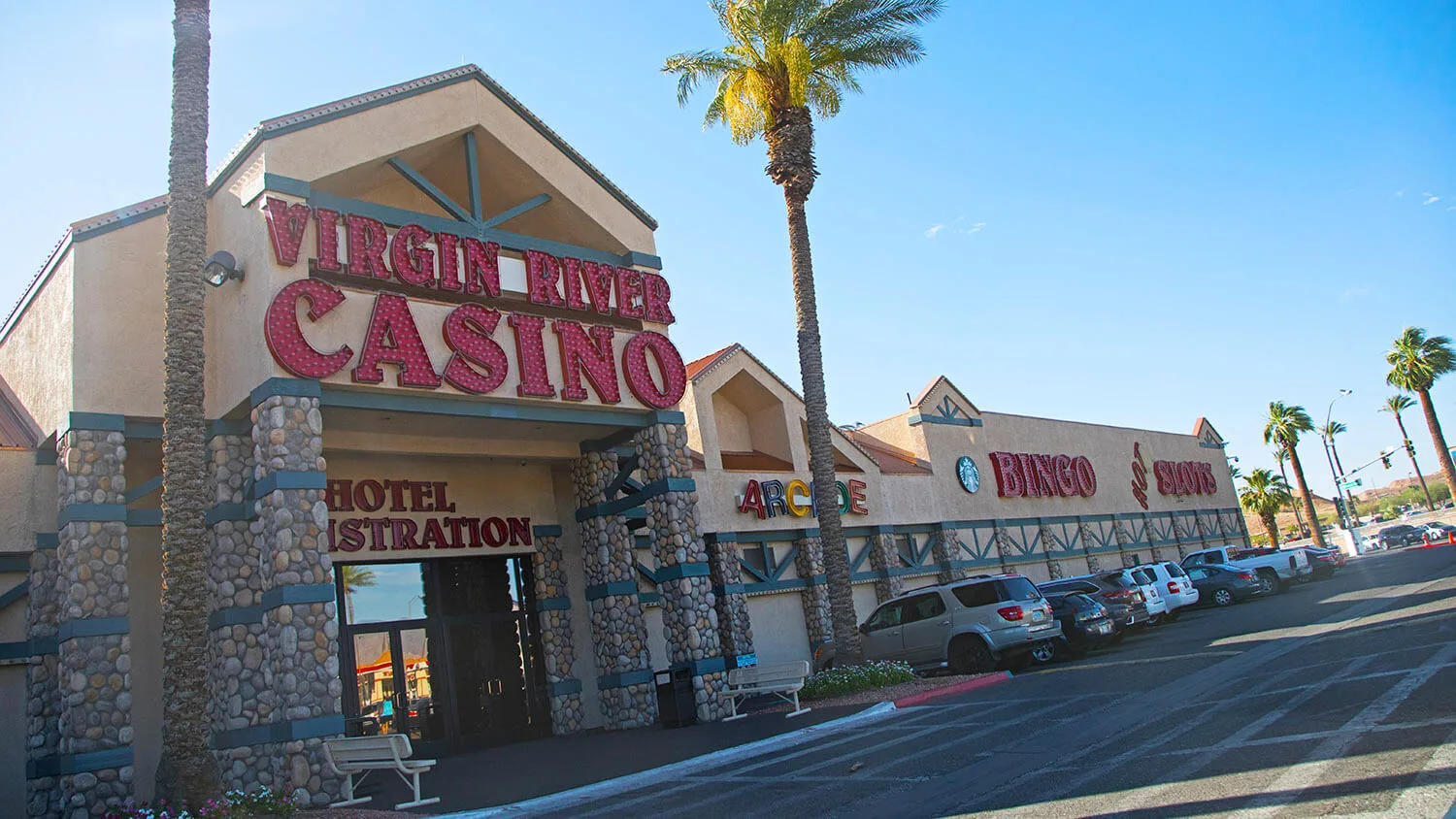
800 slots · 74 tables · 24/7
24/7 · Dining
| Amenity / Game | Harveys Lake Tahoe | Palace Station | Aria Resort & Casino | Bally’s |
|---|---|---|---|---|
| 🎰 Slots | ✓ | ✓ | ✓ | ✓ |
| 🃏 Table Games | ✓ | ✓ | ✓ | ✓ |
| ♠️ Poker Room | ✓ | ✓ | ✓ | ✓ |
| 🎱 Bingo | — | ✓ | — | — |
| 🖥️ Video Poker | ✓ | ✓ | ✓ | ✓ |
| 🏨 Hotel / Resort | ✓ | — | ✓ | — |
| 🍽️ Restaurant | ✓ | ✓ | ✓ | ✓ |
| 🏊 Pool | ✓ | — | ✓ | — |
| 🕐 Open 24/7 | ✓ | ✓ | ✓ | ✓ |
| 🅿️ Free Parking | ✓ | ✓ | ✓ | ✓ |
Nevada became the first American state to broadly legalize casino gambling in 1931, giving the industry nearly a century to mature into something found nowhere else: a statewide network of more than 334 licensed gaming establishments ranging from truck-stop slot machines on rural highways to sprawling resort complexes with dozens of restaurants, tens of thousands of hotel rooms, and gaming floors larger than some city blocks. No other state has had this much time, this much competition, or this much pressure to evolve, and the result is a market that sets the benchmark against which every other American casino jurisdiction is measured.
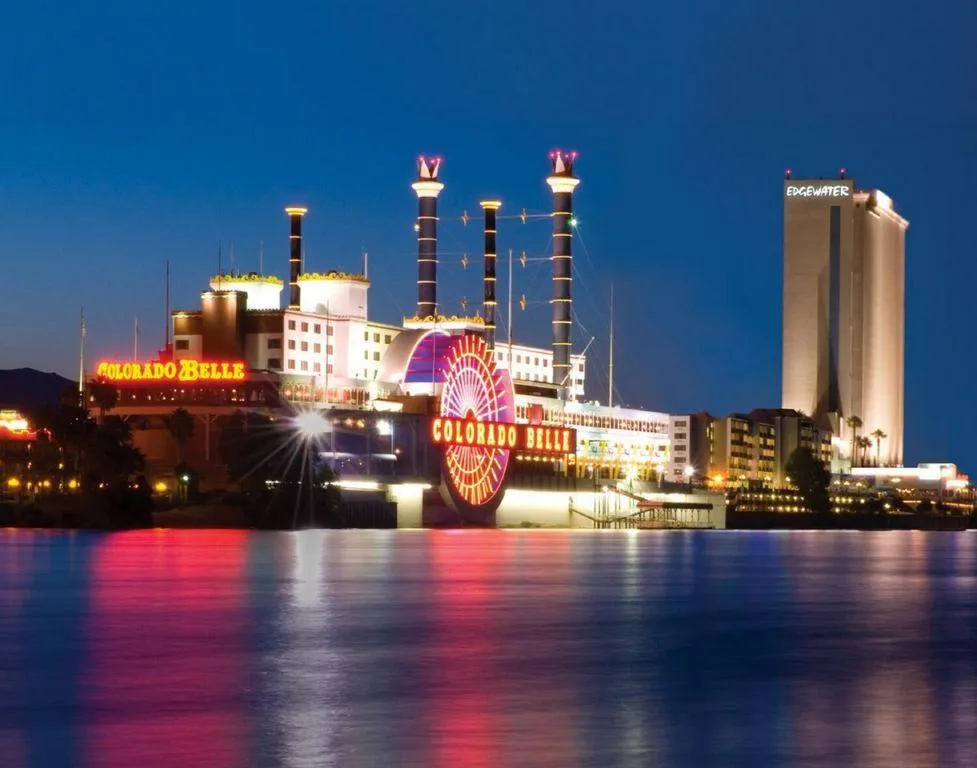
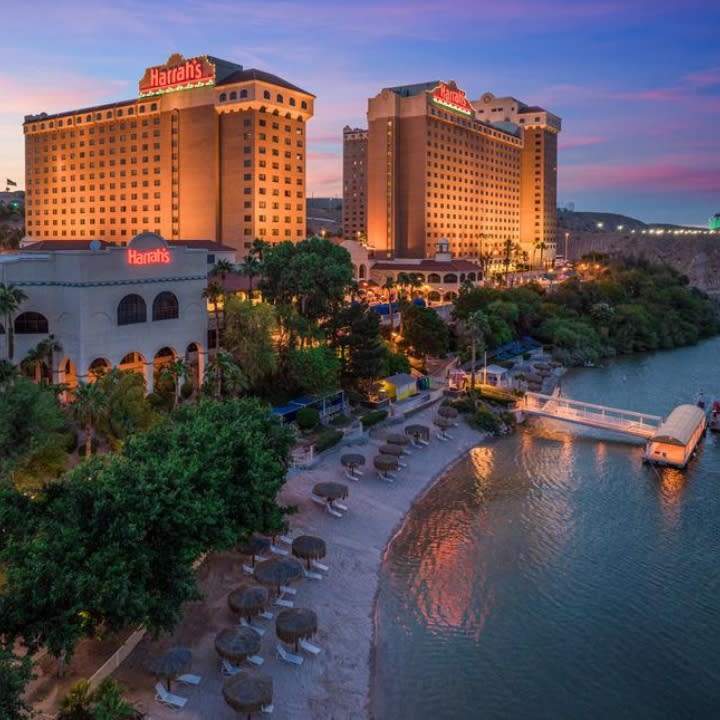
The Las Vegas metropolitan area anchors the state’s gaming economy. The Strip corridor, running through the unincorporated community of Paradise in Clark County, draws tens of millions of visitors each year. Fremont Street in the City of Las Vegas proper offers a denser, more historically rooted experience a few miles to the north. Reno serves northern Nevada and the Northern California market, while Lake Tahoe’s Nevada side provides casino access against a backdrop of alpine scenery. Smaller markets, including Laughlin on the Colorado River and scattered rural gaming stops, fill out the rest of the map. Unlike New Jersey’s concentrated Atlantic City market, Nevada’s gaming is distributed across multiple cities and regions.
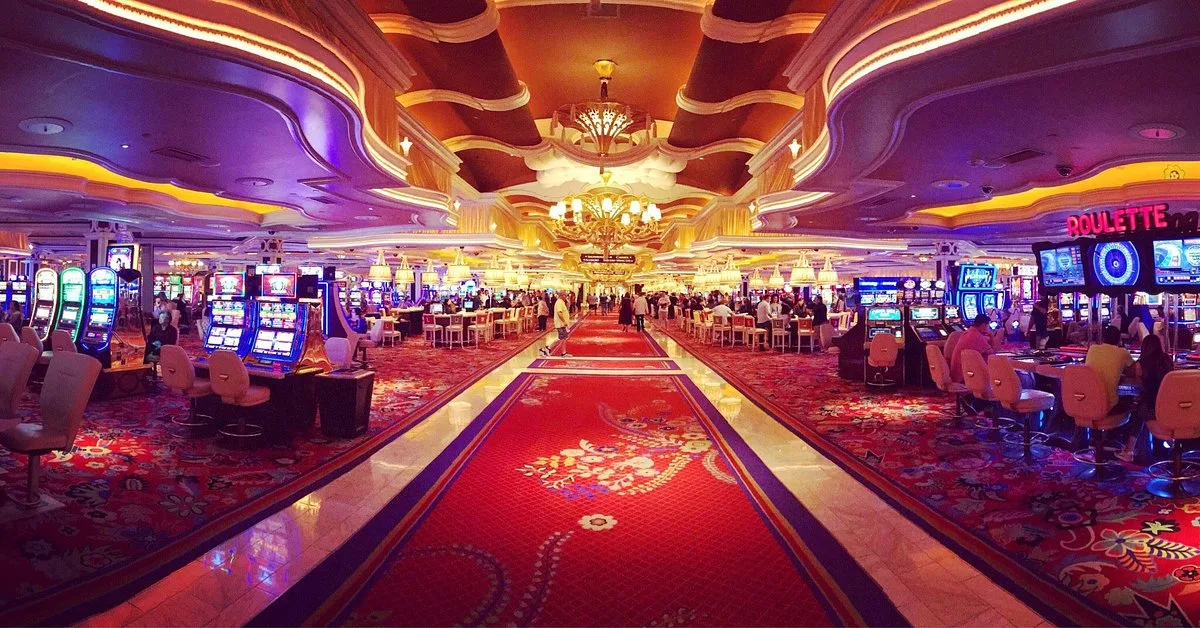
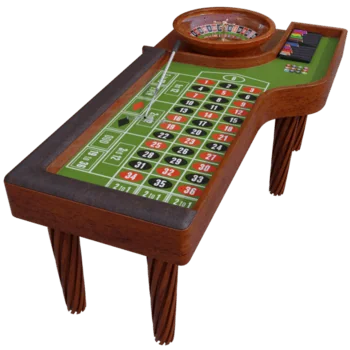
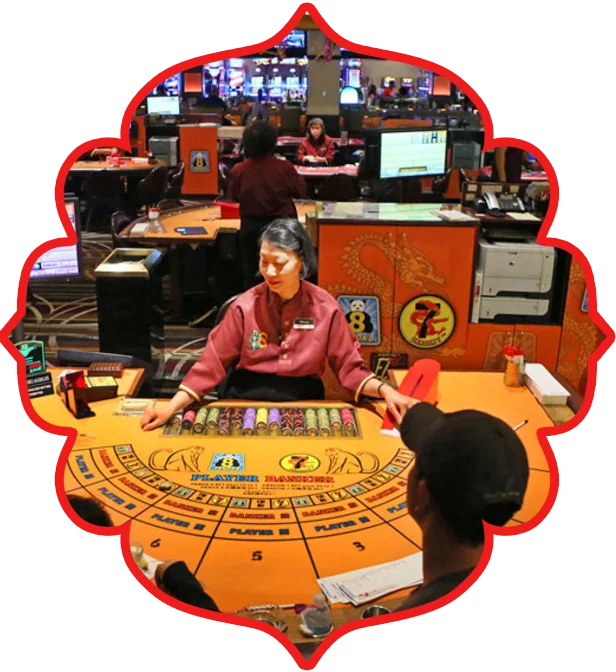
For table game enthusiasts, the Strip offers an unmatched variety of blackjack variants, craps, and roulette tables, from penny limits to high-roller salons.
The Nevada Gaming Control Board and the Nevada Gaming Commission jointly oversee all licensed gaming in the state, maintaining one of the most tested regulatory frameworks in the world. Both commercial operators and the occasional tribal licensee must meet strict suitability standards, and the state’s licensing process is thorough enough that approval from Nevada regulators carries significant weight when operators seek licenses in other jurisdictions.
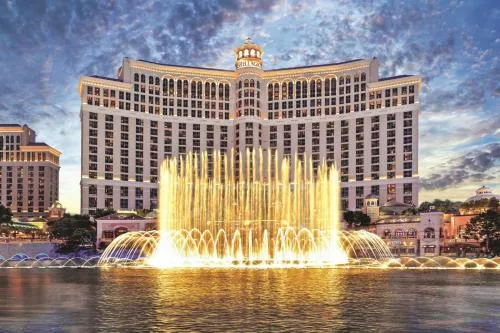
Nevada has more exceptional casinos than most states have casinos, period. Selecting a single standout requires weighing gaming depth, service quality, physical environment, and the kind of experience that stays with you after the trip. For a first-time visitor or a returning player who wants to experience the Strip at its most refined, one property consistently rises above the competition.
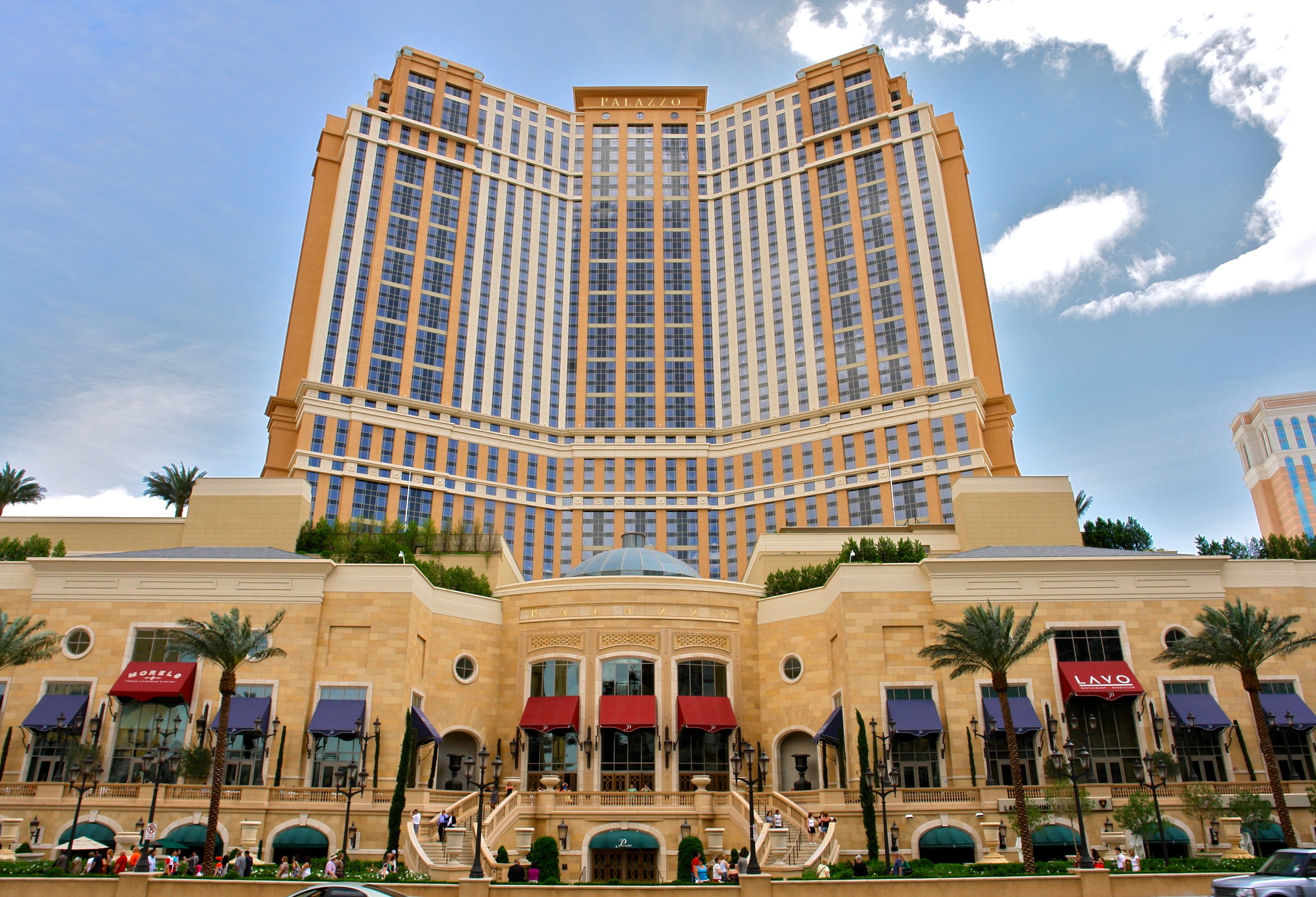
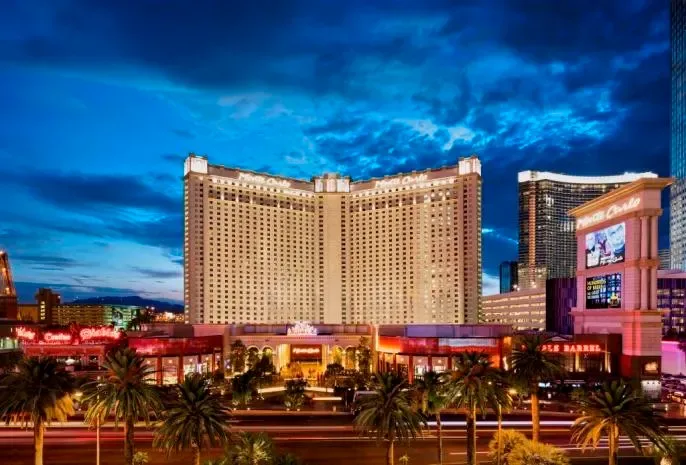
The Strip is not a single casino. It is a four-mile concentration of casino resorts, each one a self-contained city with its own hotel towers, dining programs, entertainment venues, pools, and gaming floors. The cluster of properties between Mandalay Bay at the southern end and the Wynn and Encore complex at the northern end represents the highest concentration of large-scale casino investment in the world.
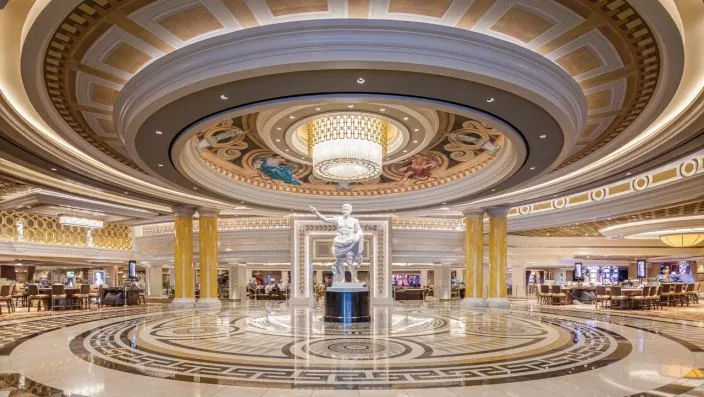
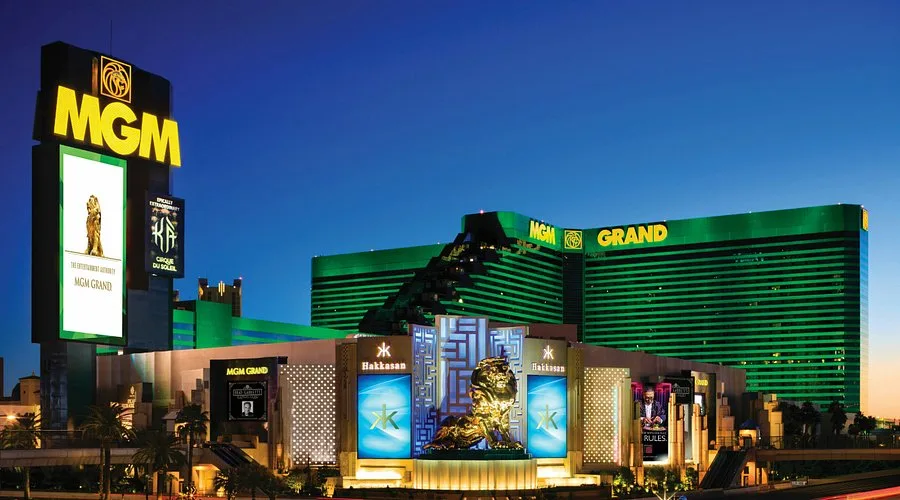
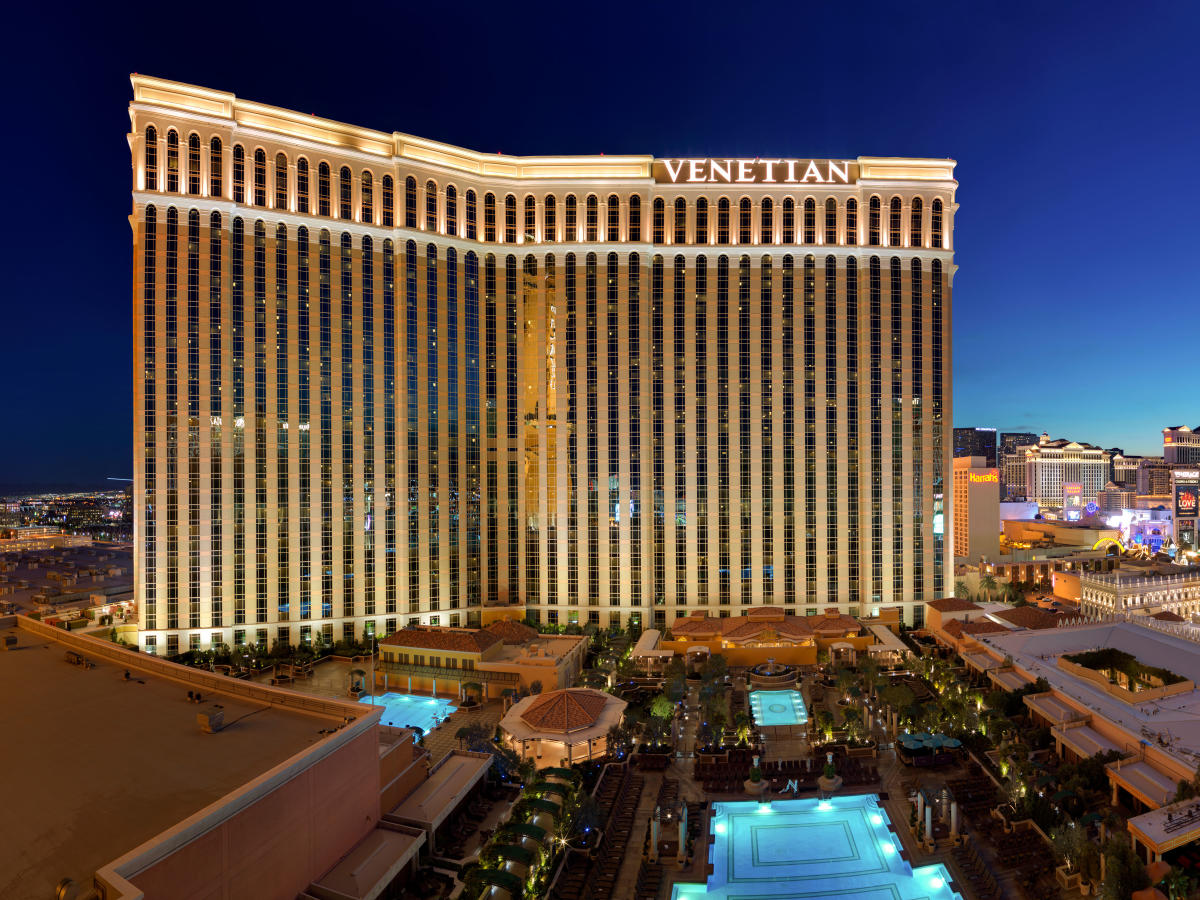
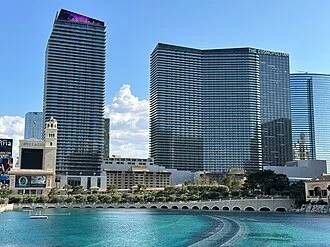
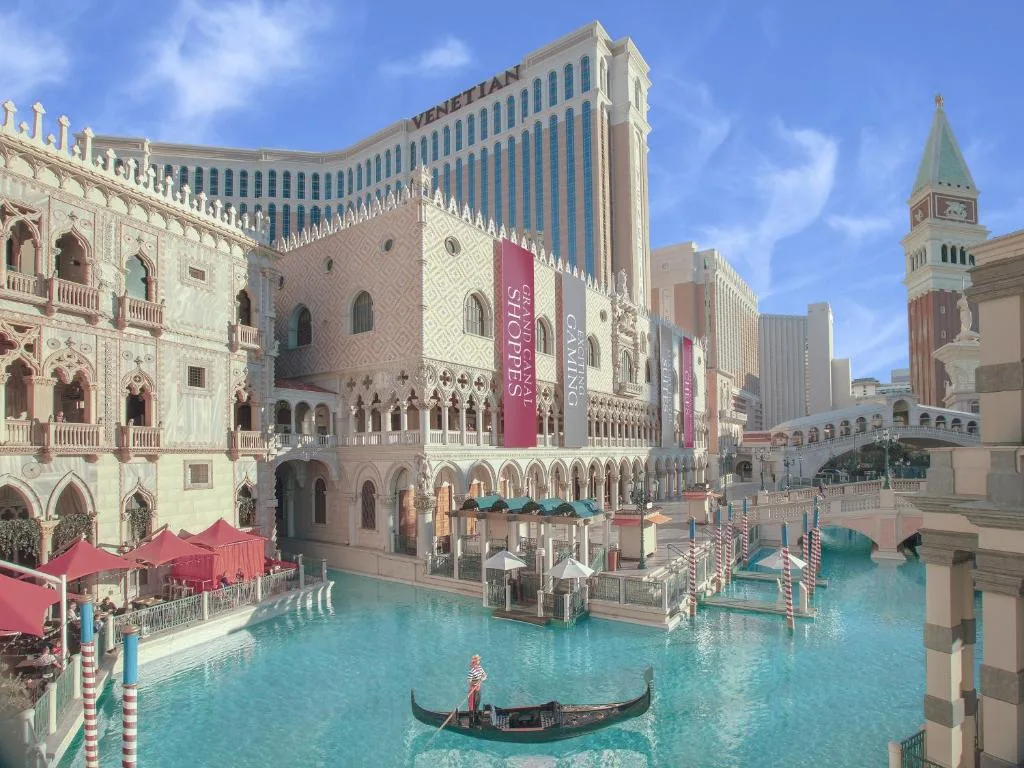
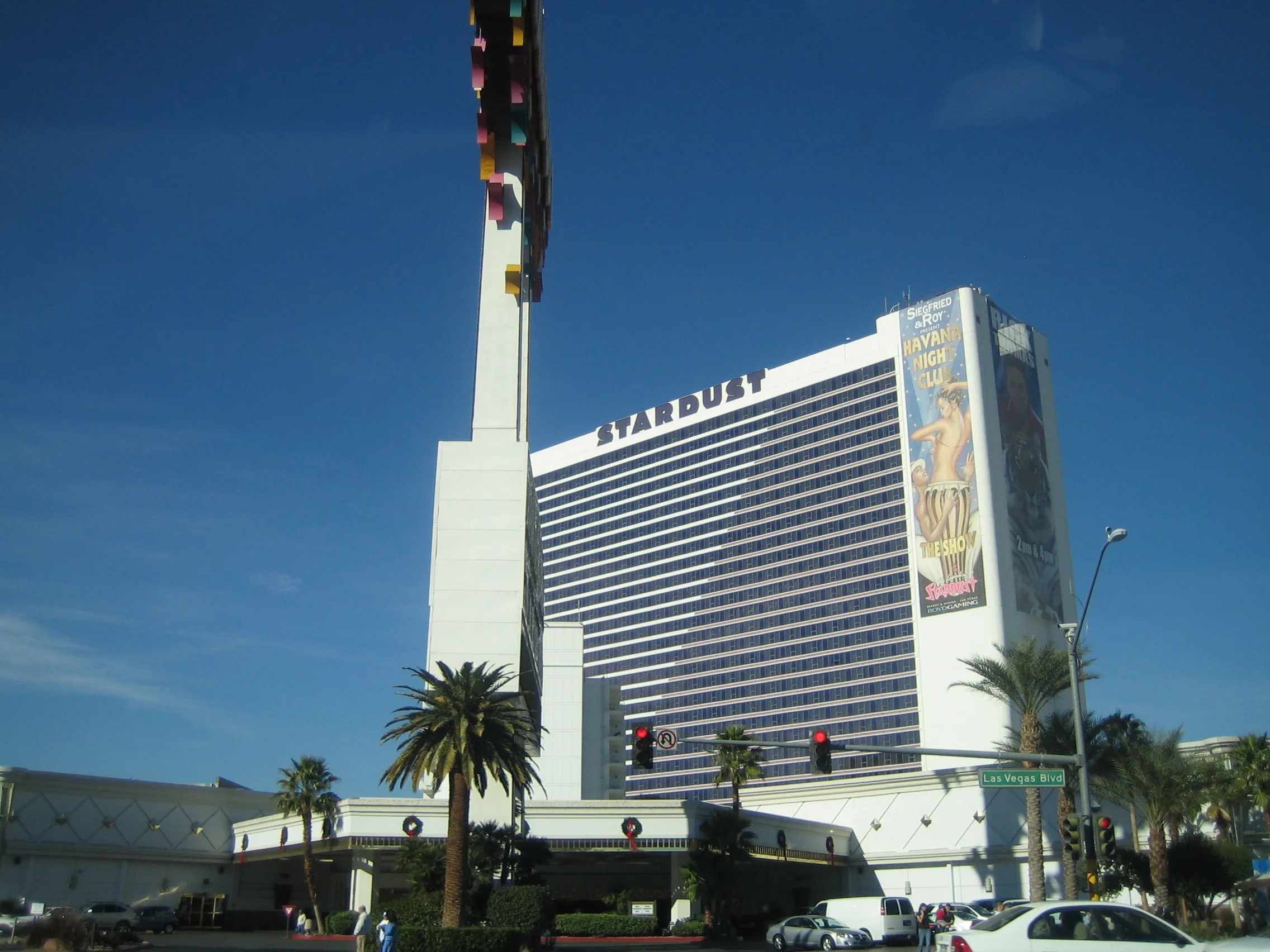
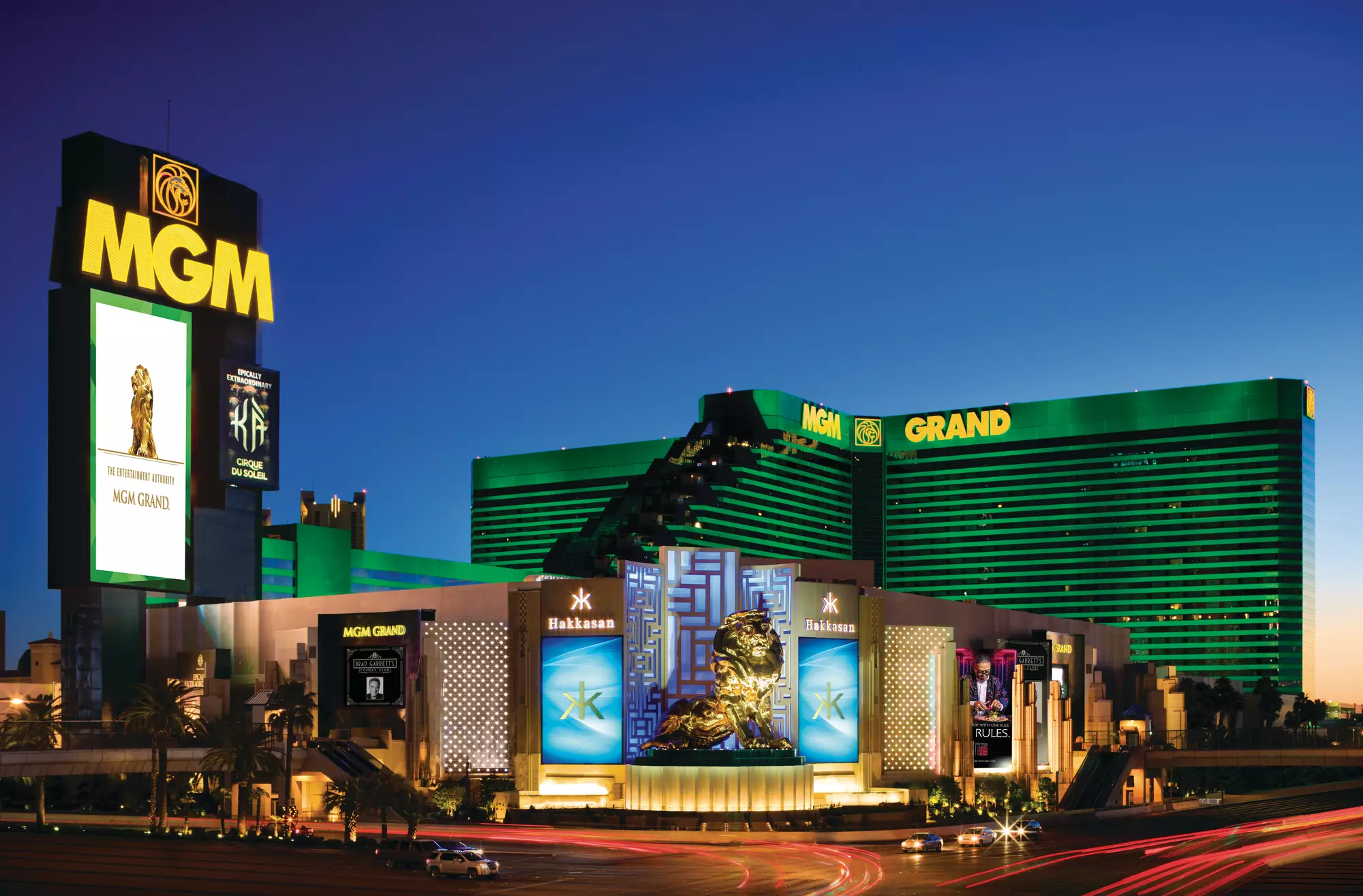
Each property on the Strip has carved out a distinct identity. The Cosmopolitan of Las Vegas targets a younger, design-conscious demographic with a restaurant program that would be competitive in any major American food city. The Venetian replicates Venetian canals and architecture across one of the largest casino floors on the Strip and an enormous meeting and convention space. Aria Resort and Casino anchors the CityCenter complex with a modern, technology-forward approach to resort design. MGM Grand Las Vegas covers sheer scale, with one of the Strip’s largest gaming floors and an arena attached for major fights and concerts. Caesars Palace has operated since 1966 and remains a destination in its own right, with a poker room that hosts major tournament series and a hotel campus that has expanded across multiple towers over the decades. Encore and its sister property Wynn Las Vegas share a campus at the northern end of the Strip that maintains a quieter, more resort-oriented atmosphere than the more tourist-facing properties further south.
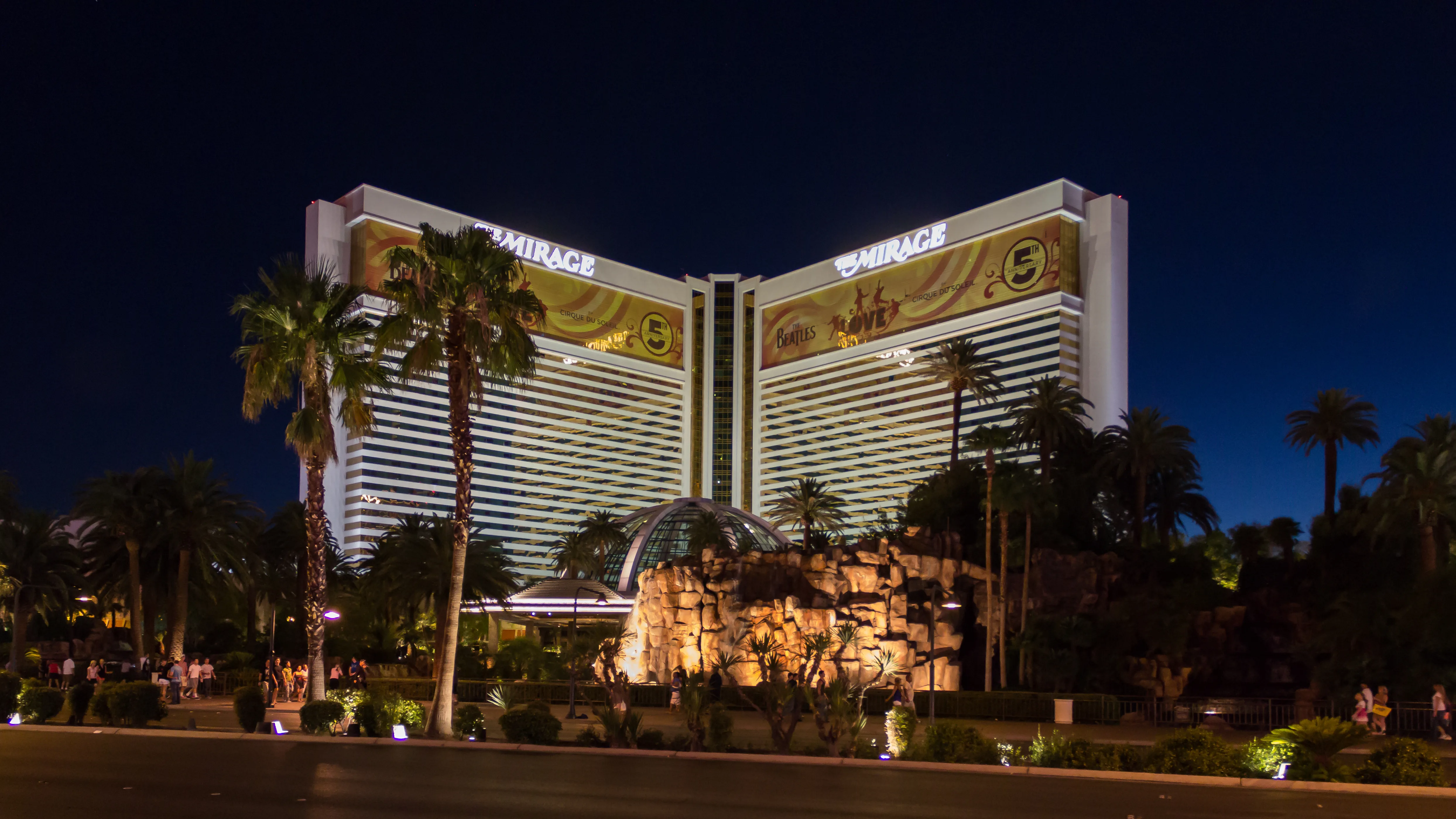
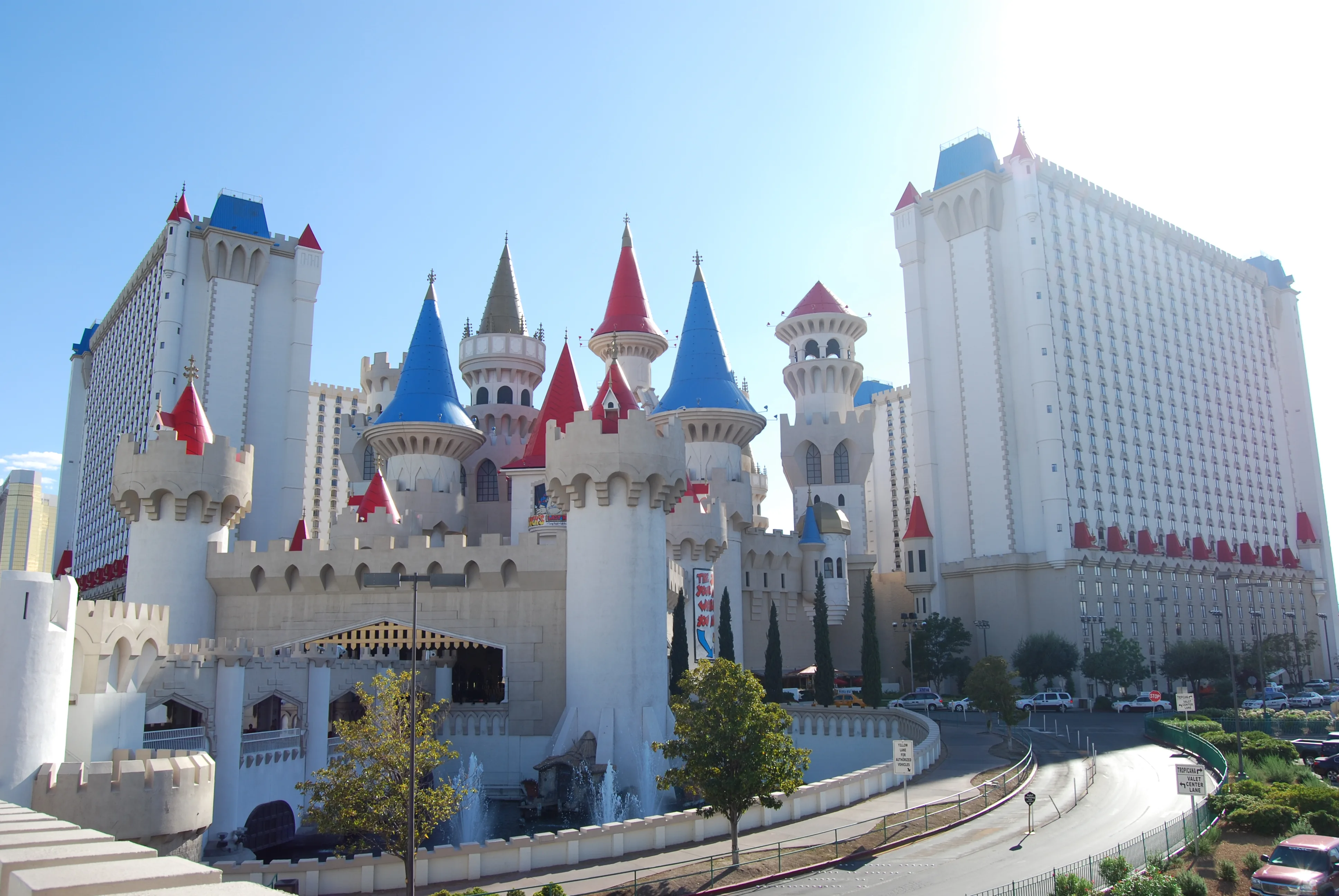
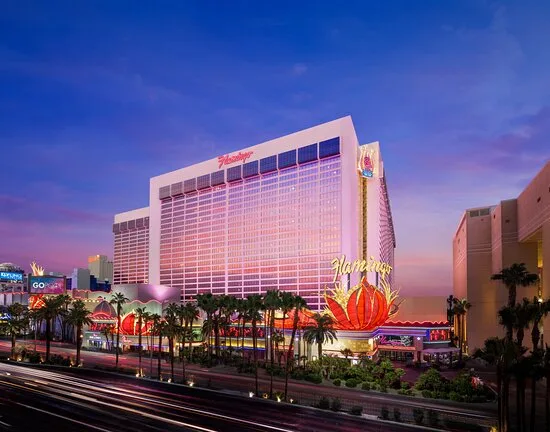
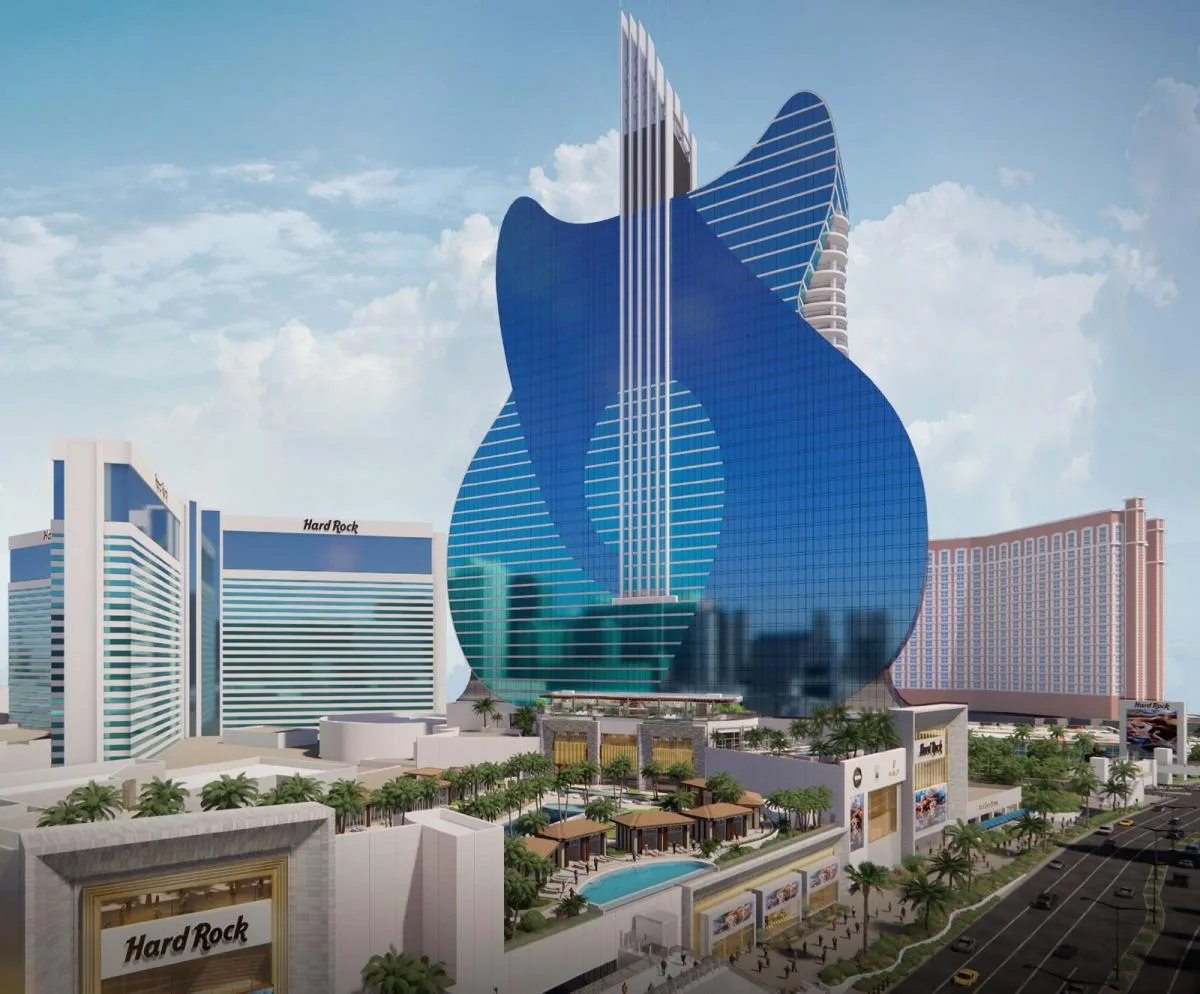
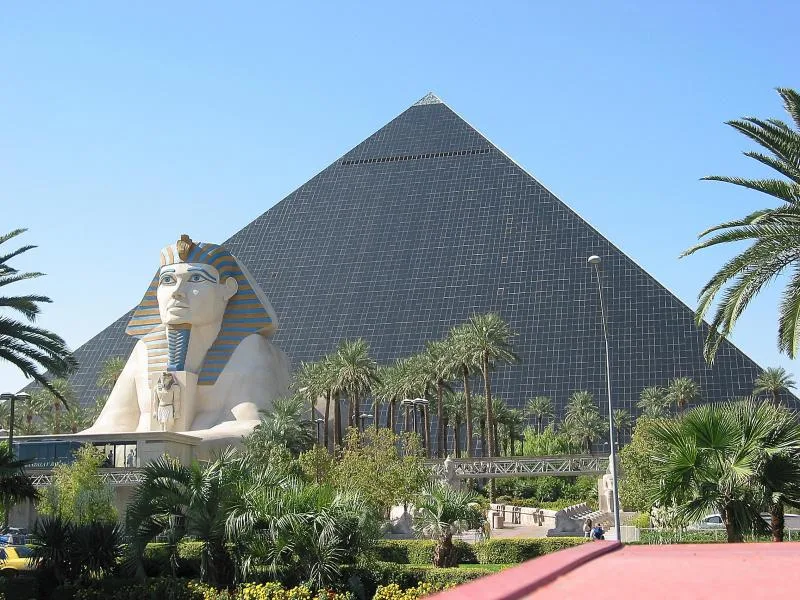
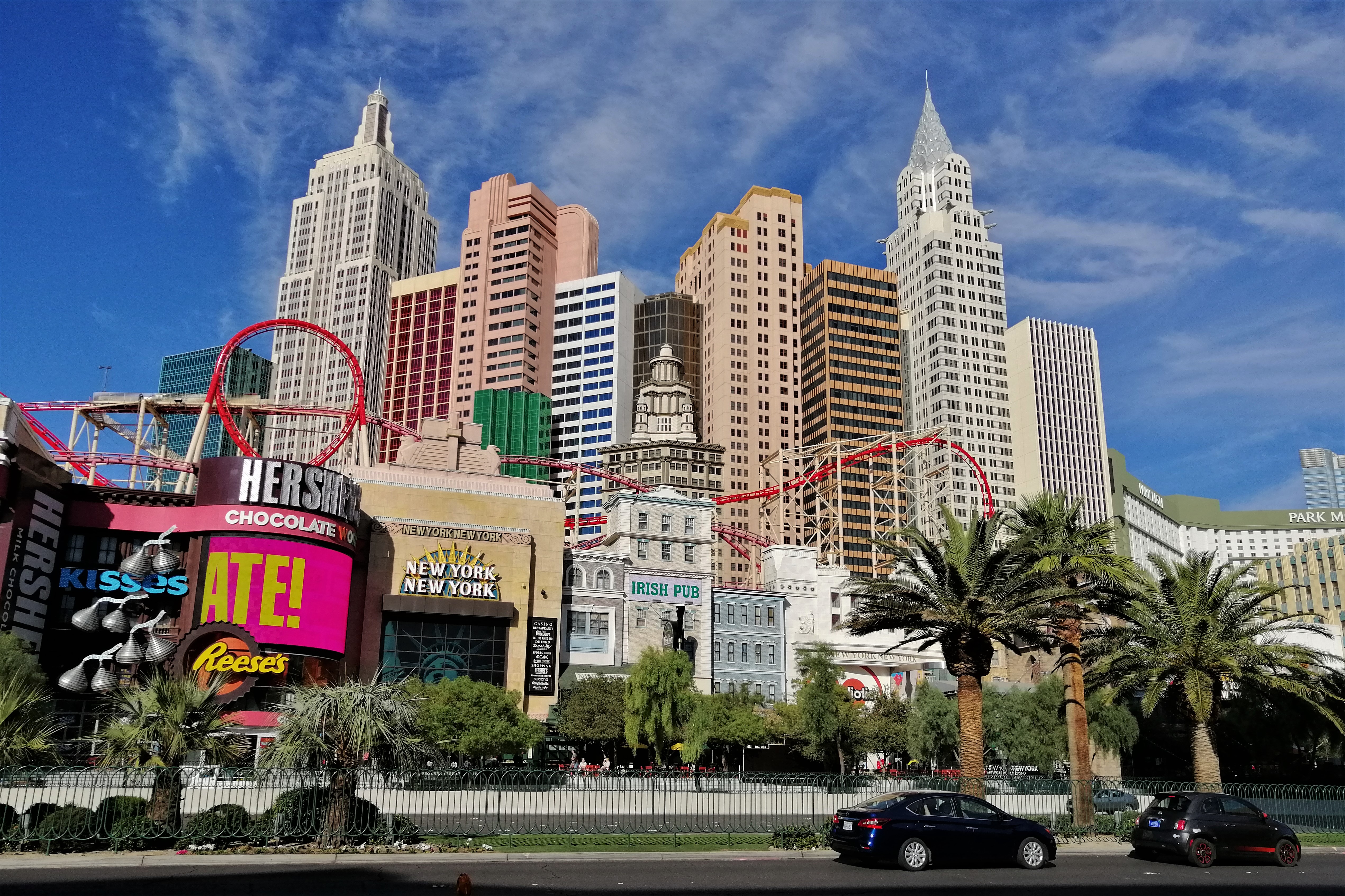
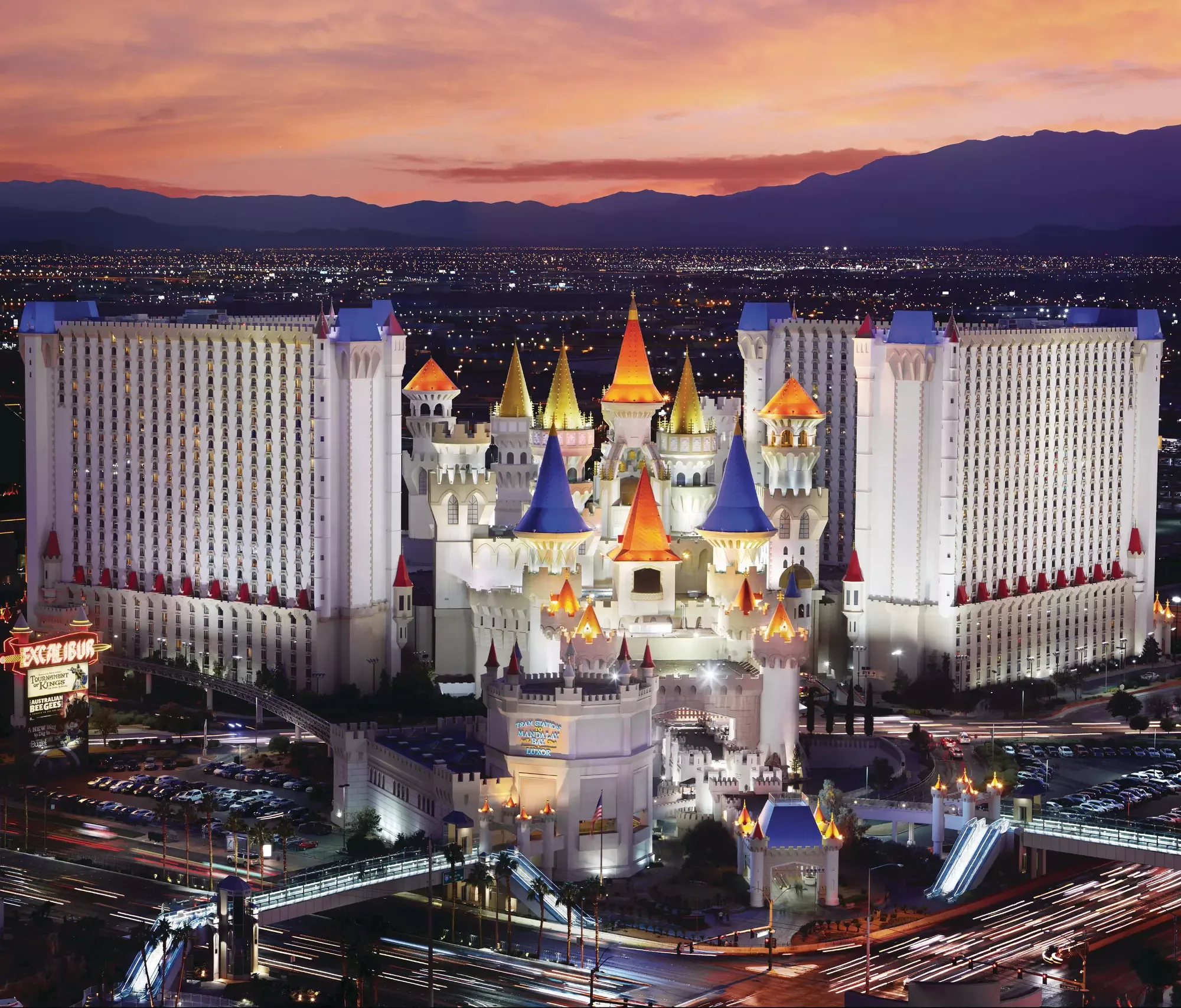
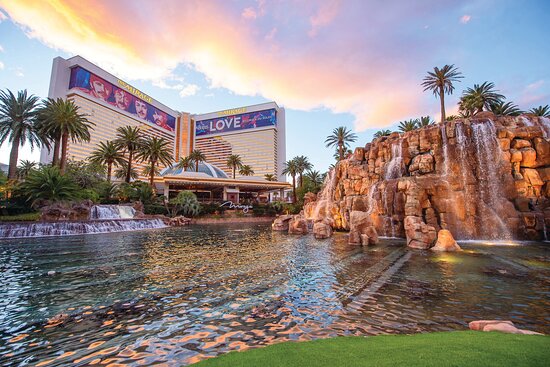
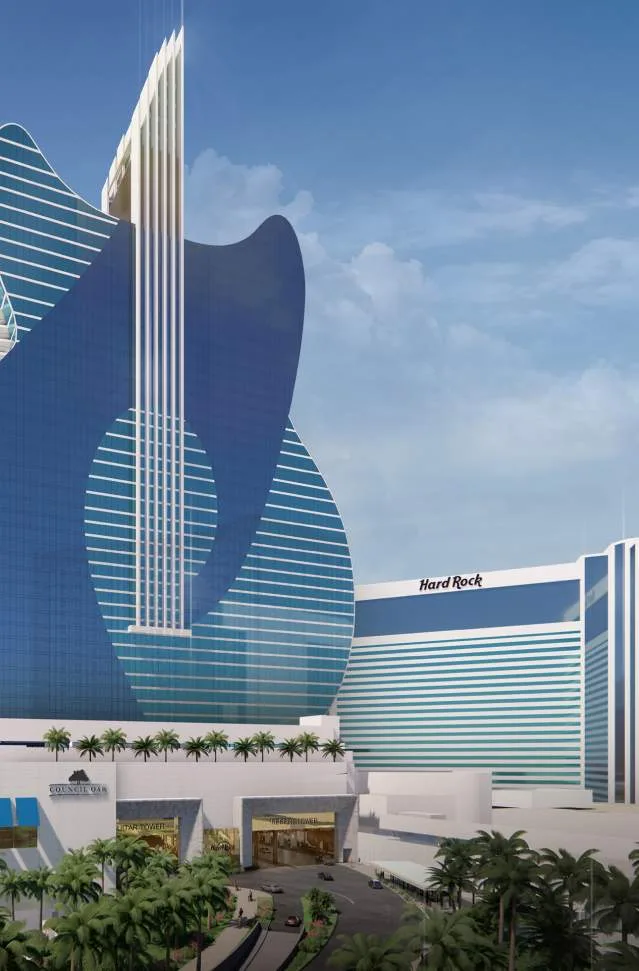
Flamingo Las Vegas holds the distinction of being one of the original Strip properties, opening in 1946, and while it no longer leads in terms of luxury positioning, it remains a centrally located, affordable alternative to the newer mega-resorts. New York-New York, Excalibur, Luxor, and Mandalay Bay anchor the southern end of the Strip in a cluster that includes a significant convention and arena presence. Paris Las Vegas delivers a recognizable themed environment with a gaming floor that tends to attract players who appreciate its more intimate scale relative to its neighbors. The Mirage, now transitioning to Hard Rock Las Vegas, has been a Strip fixture since 1989.
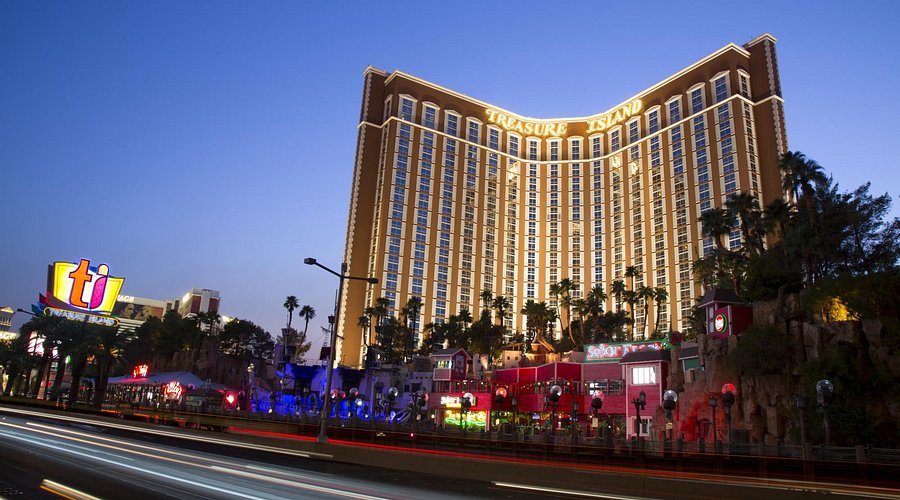
Table minimums on the Strip vary widely by time of day, day of week, and proximity to major events. Weekend evenings during a convention or fight weekend can push minimums at popular properties to levels that surprise first-time visitors. Players who want lower-limit action on the Strip are better served by earlier visits on weekday mornings, or by choosing properties like Flamingo, Excalibur, or Treasure Island that maintain more accessible minimums across a wider range of circumstances.
Las Vegas Strip Casinos

Bellagio
Paradise
24/7 · Poker Room
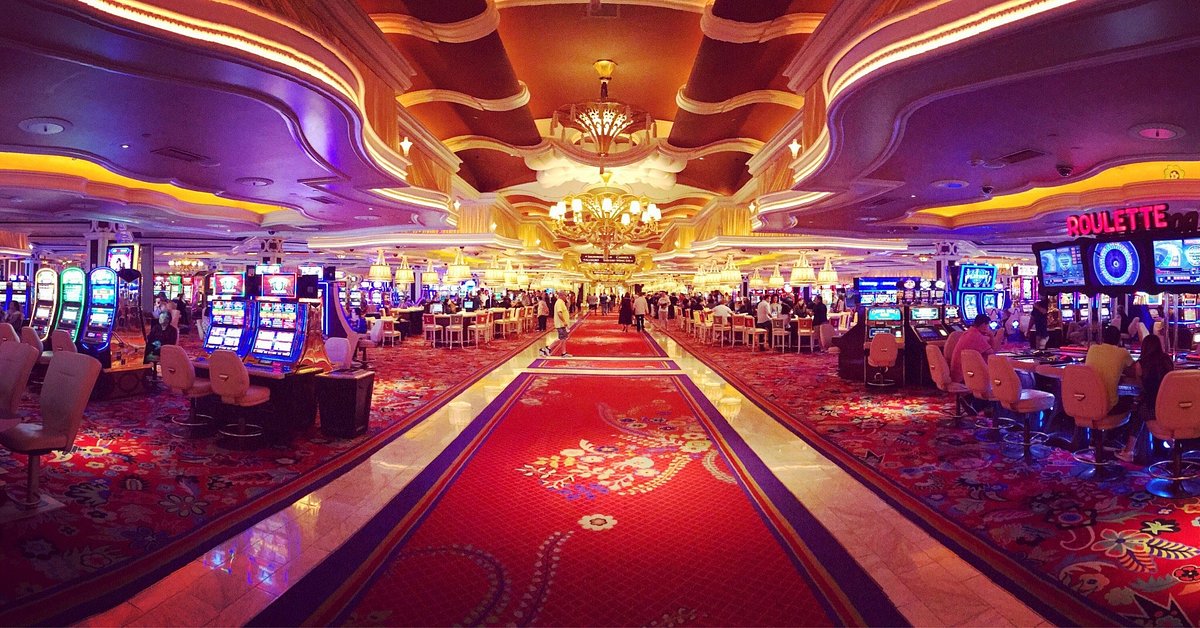
Wynn Las Vegas
Paradise
24/7 · Hotel

Cosmopolitan of Las Vegas
Paradise
24/7

MGM Grand Las Vegas
Paradise
24/7 · Poker Room
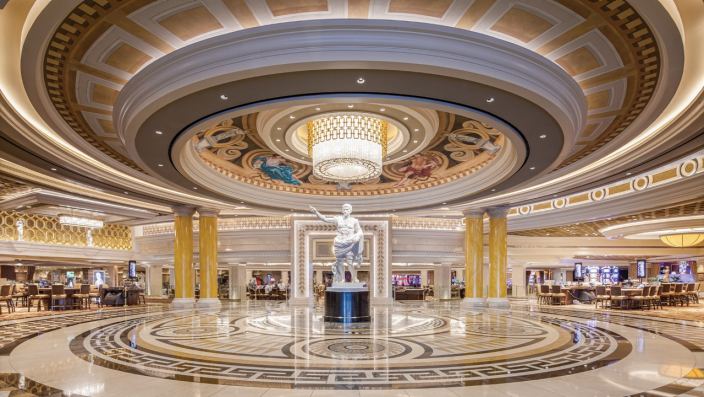
Caesars Palace
Paradise
24/7 · Poker Room
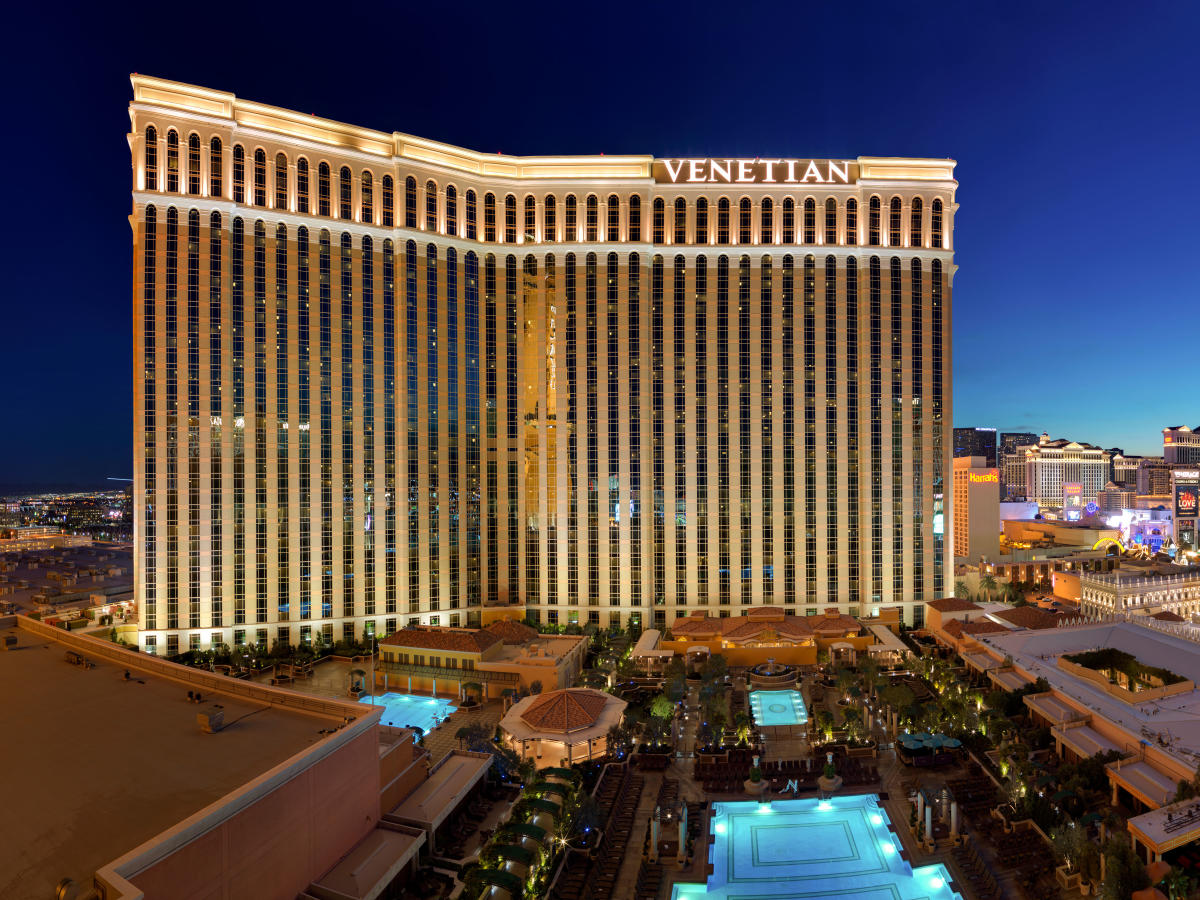
The Venetian
Paradise
24/7 · Poker Room

Aria Resort & Casino
Paradise
24/7 · Hotel

Encore
Paradise
24/7
Mandalay Bay
Paradise
24/7 · Poker Room

Flamingo Las Vegas
Paradise
24/7 · Poker Room

Paris Las Vegas
Paradise
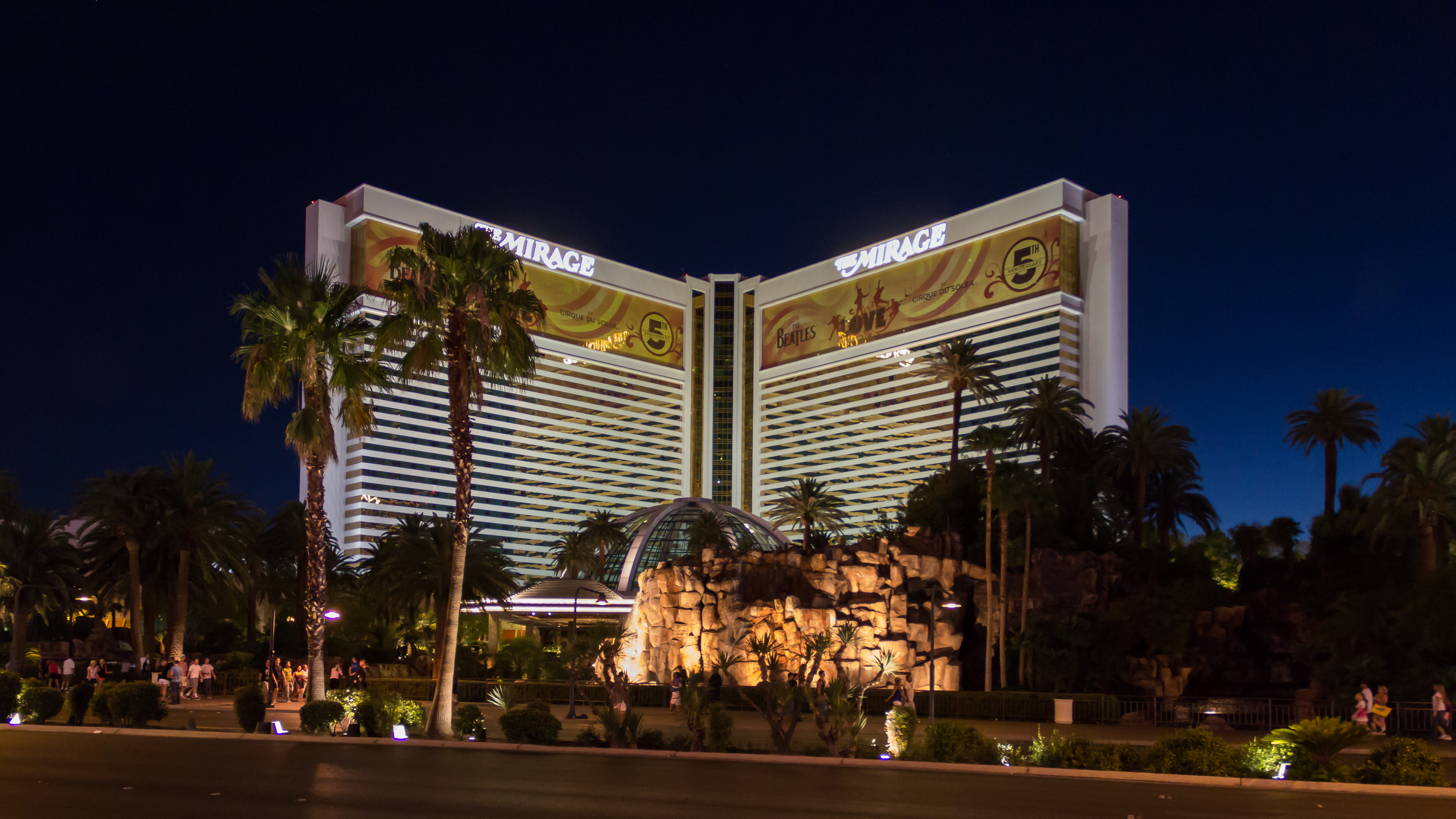
The Mirage
Paradise
24/7 · Hotel
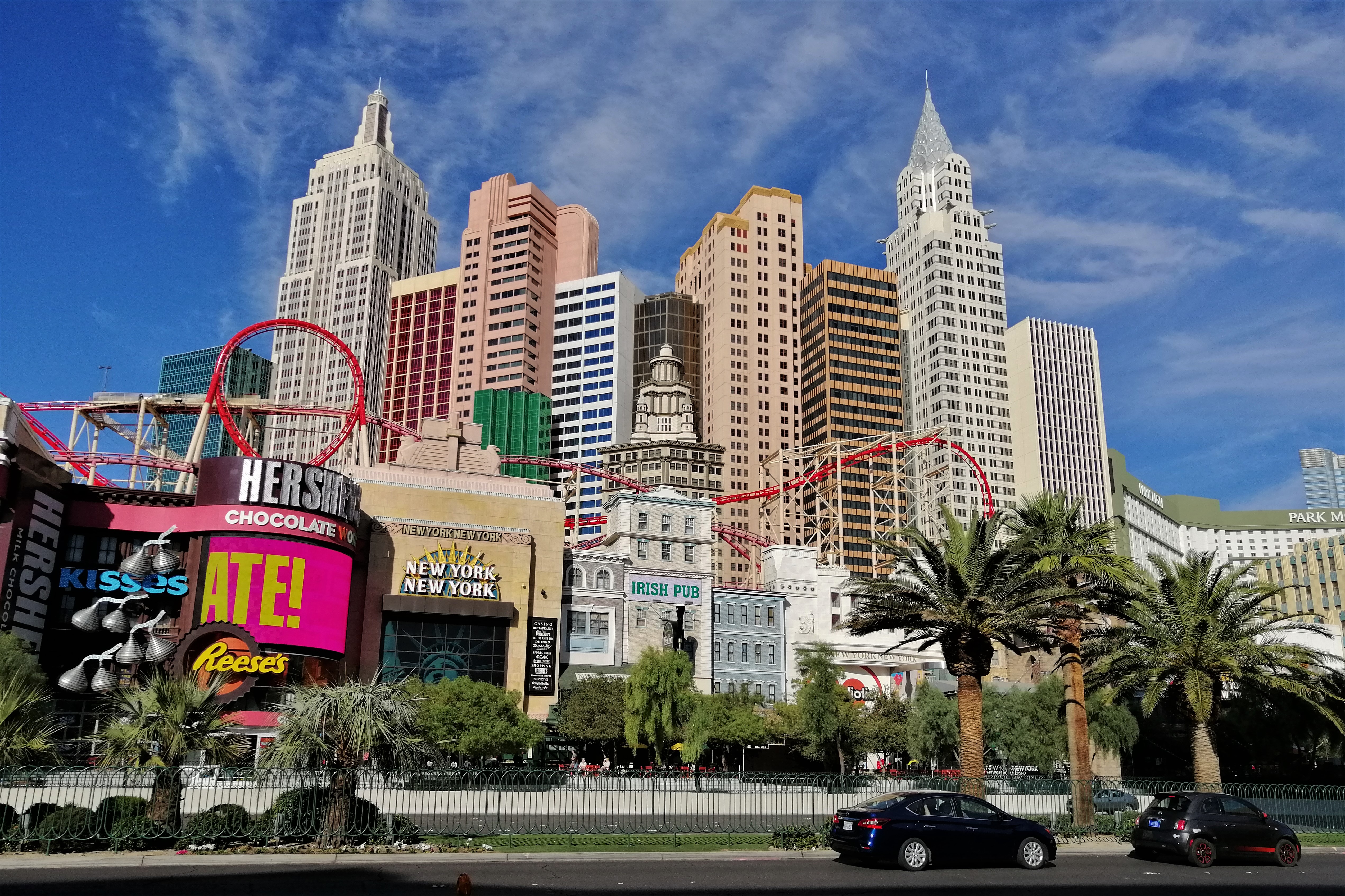
New York-New York
Paradise

Luxor
Paradise
24/7 · Poker Room

Treasure Island
Paradise
24/7 · Poker Room
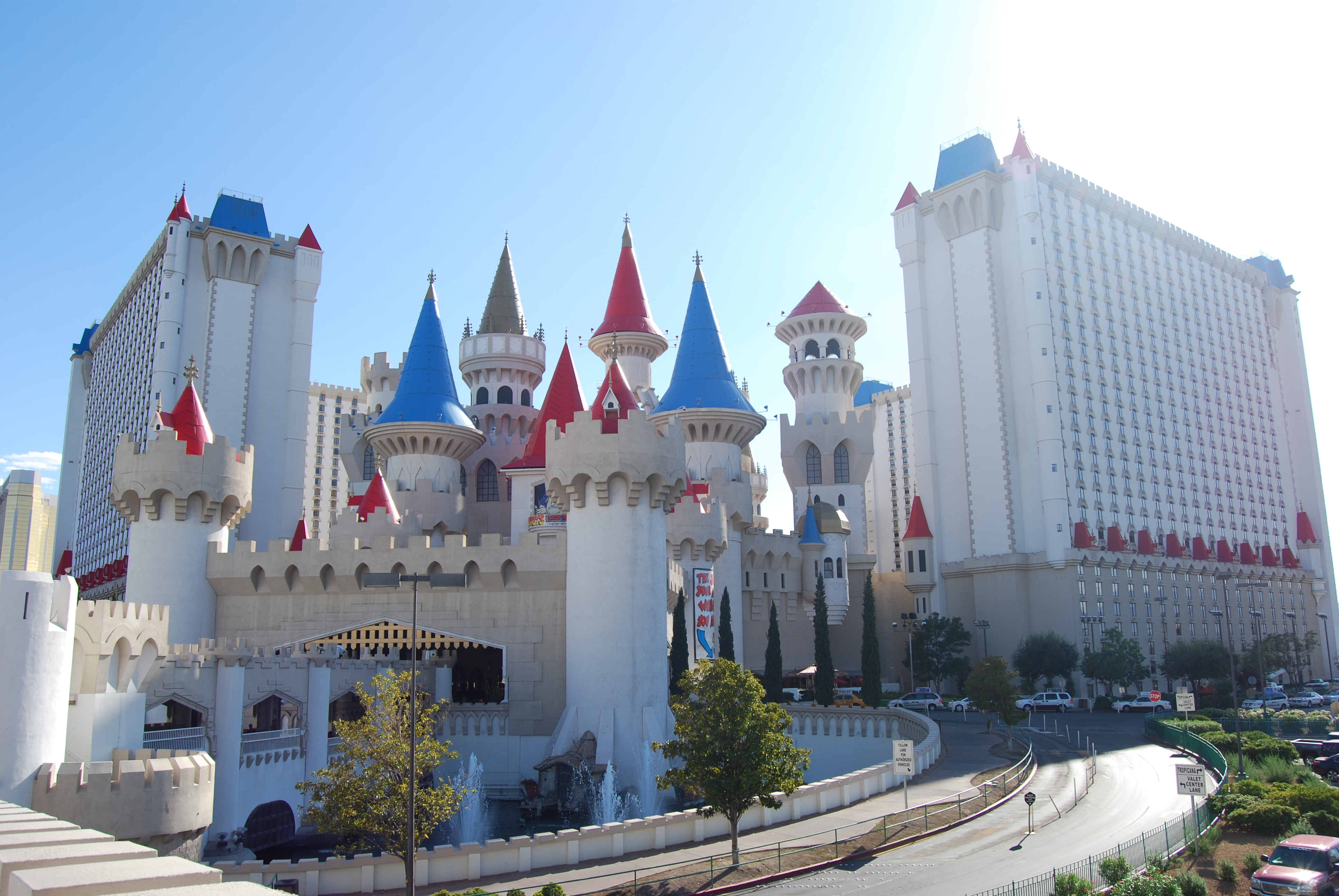
Excalibur
Paradise
24/7 · Hotel
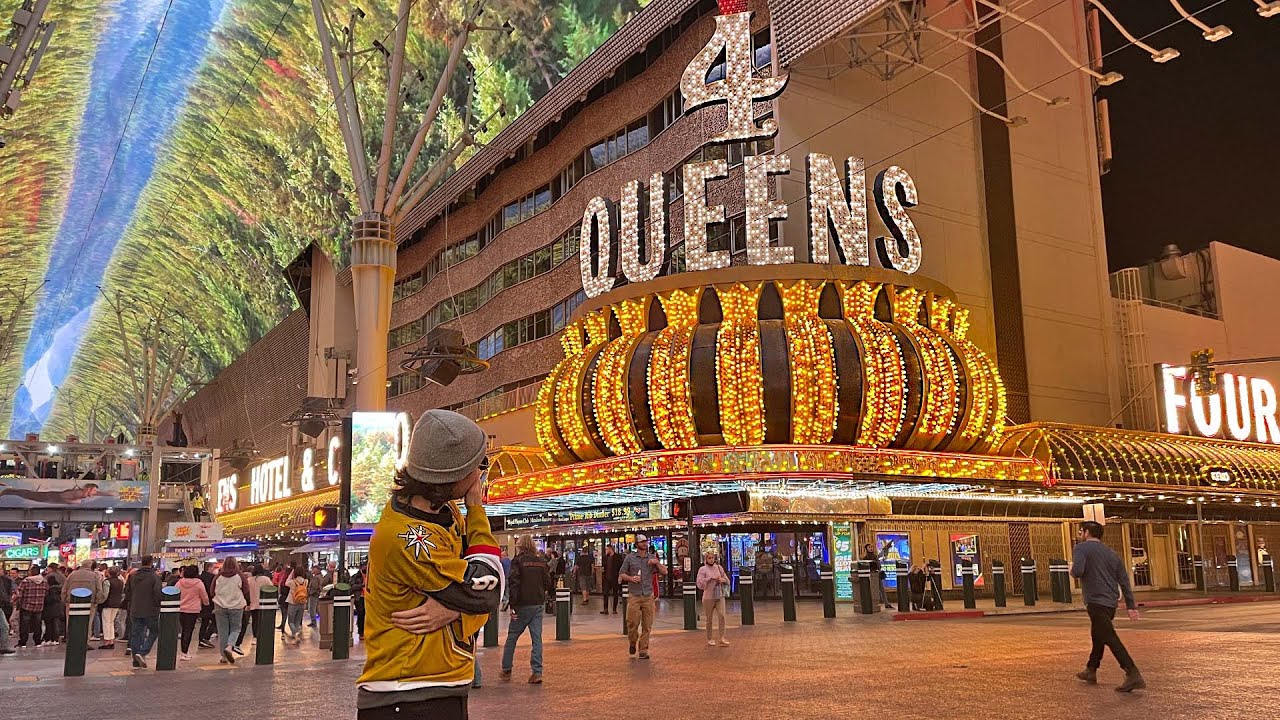
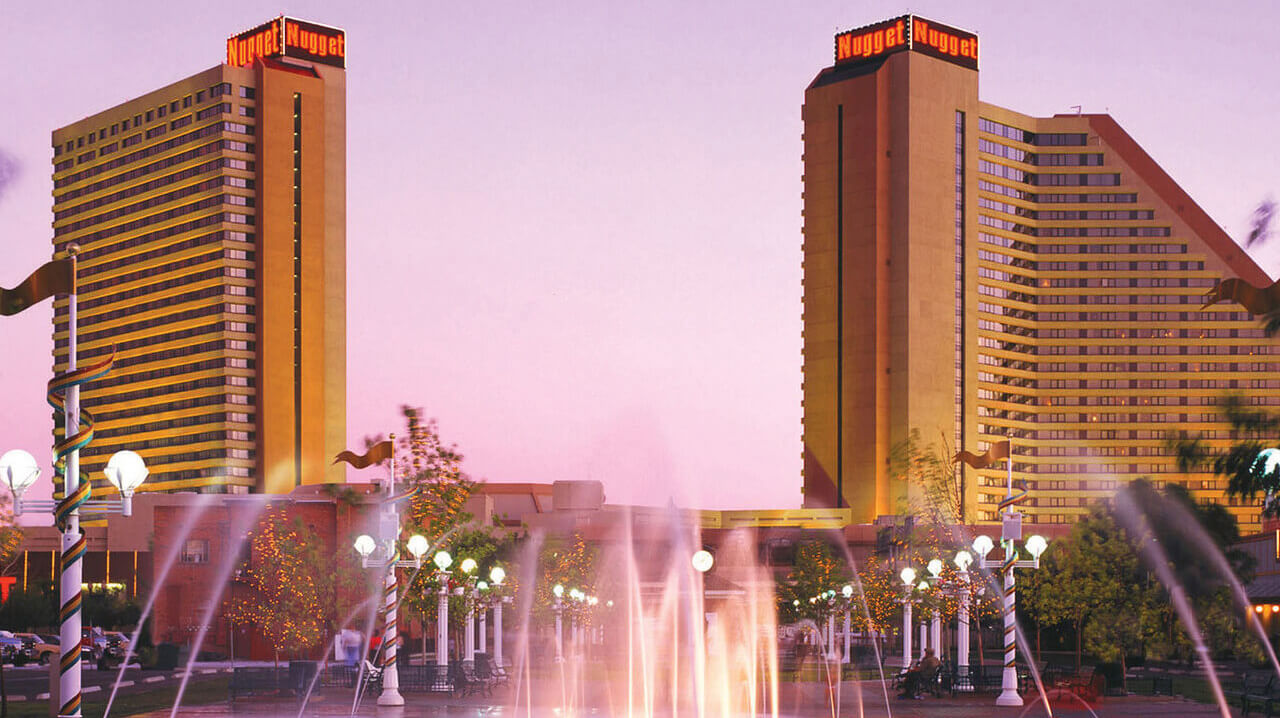
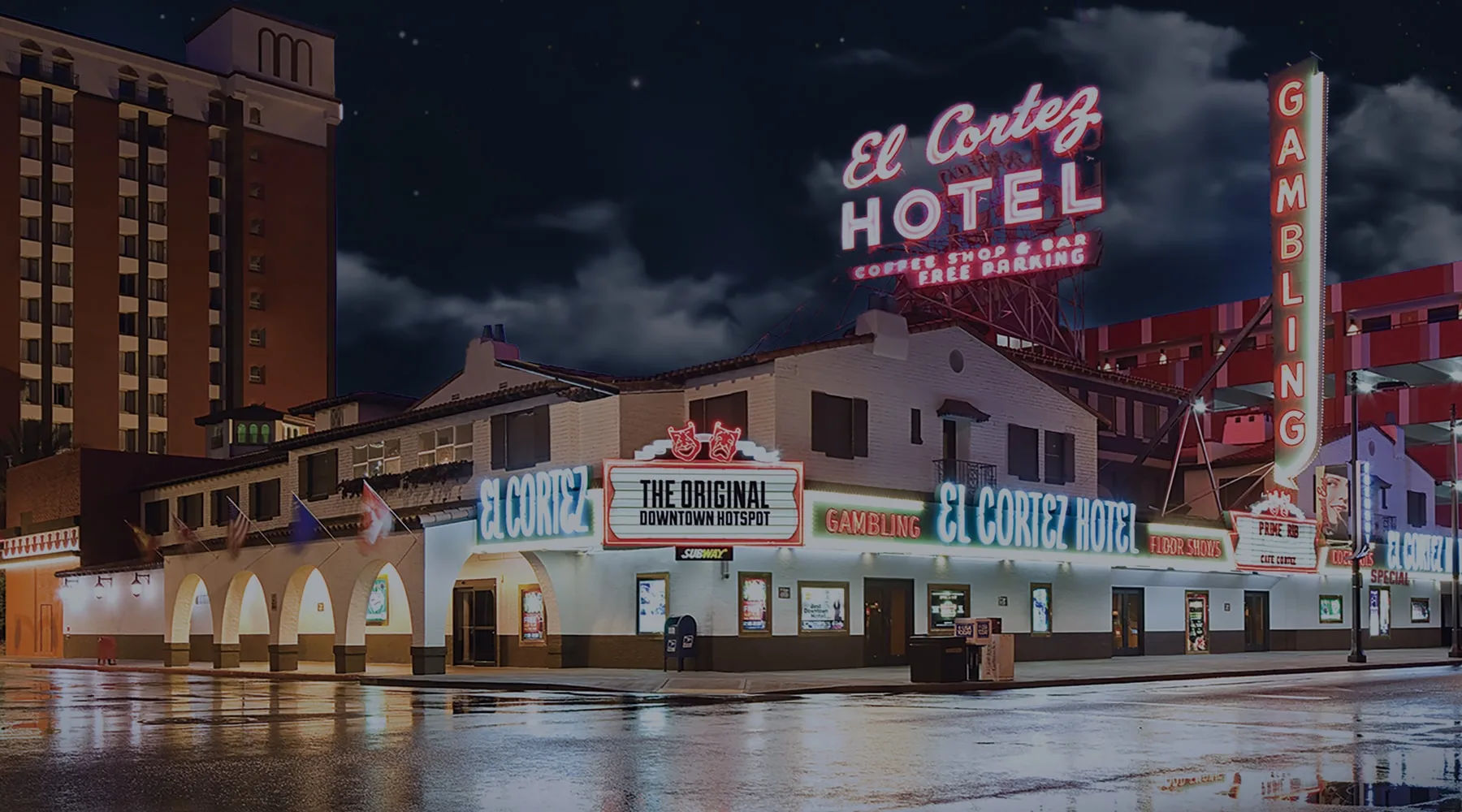
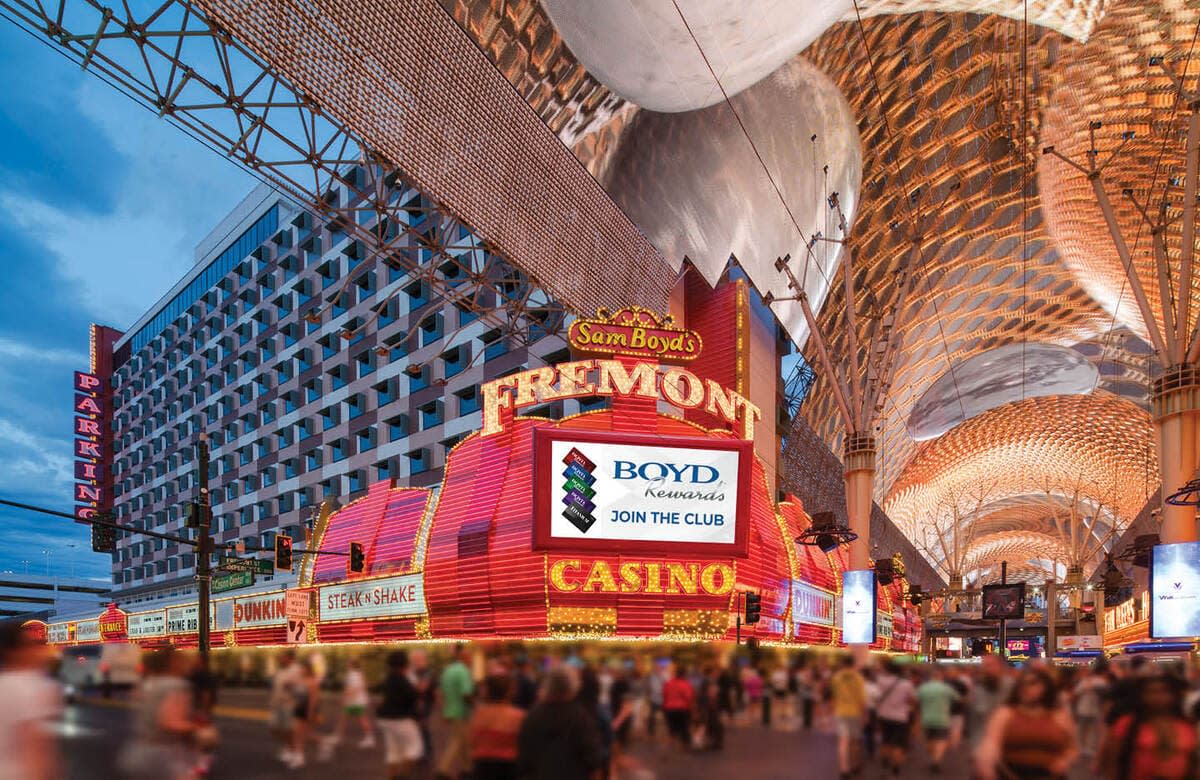
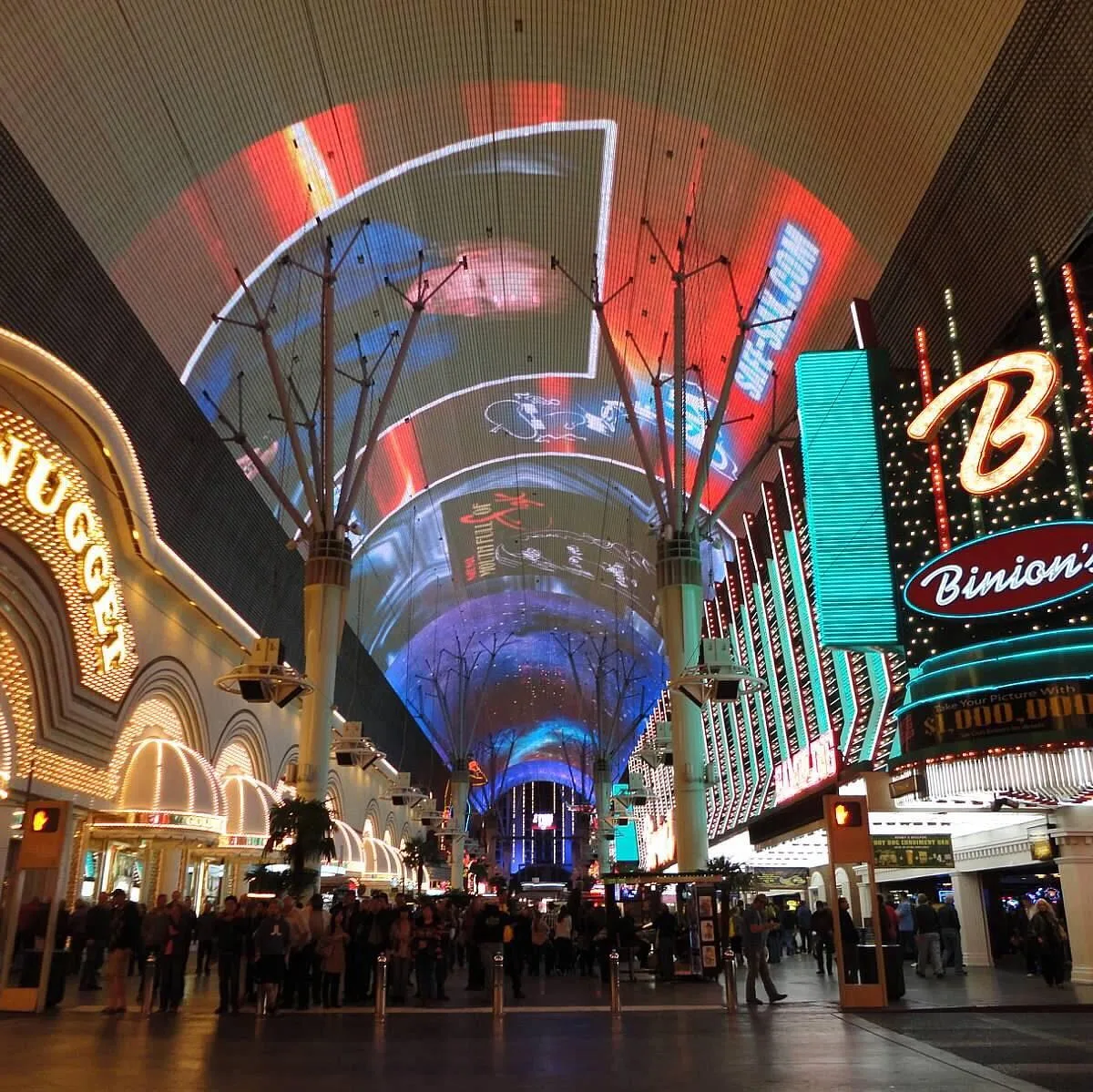
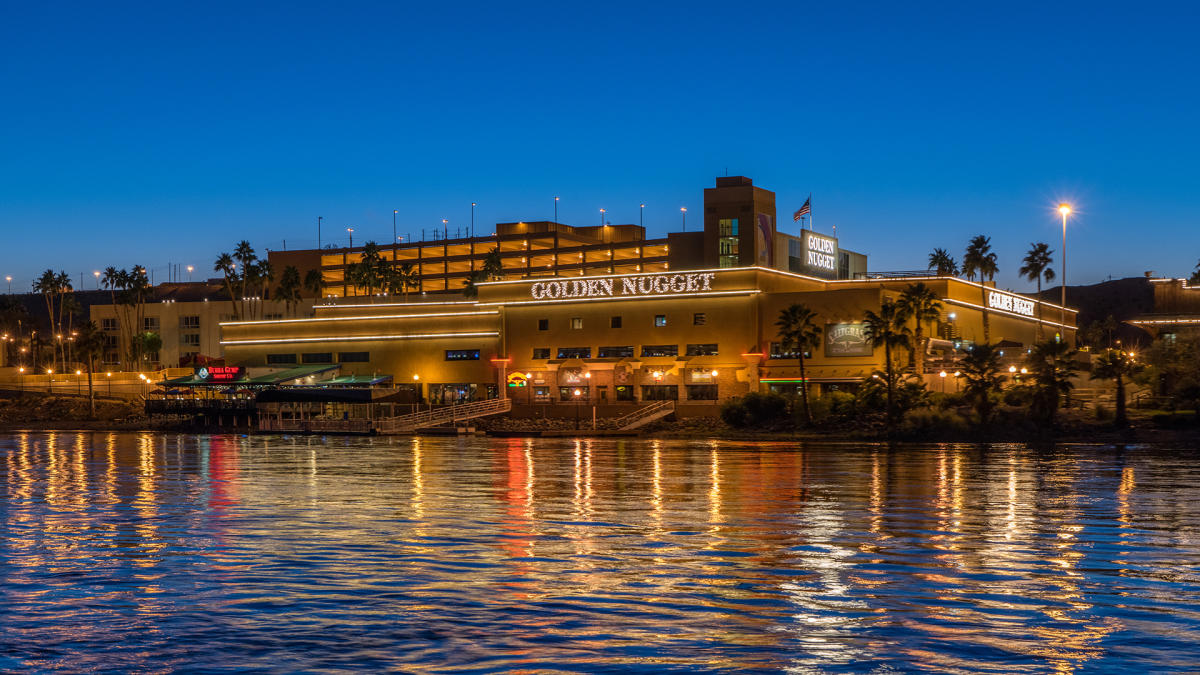
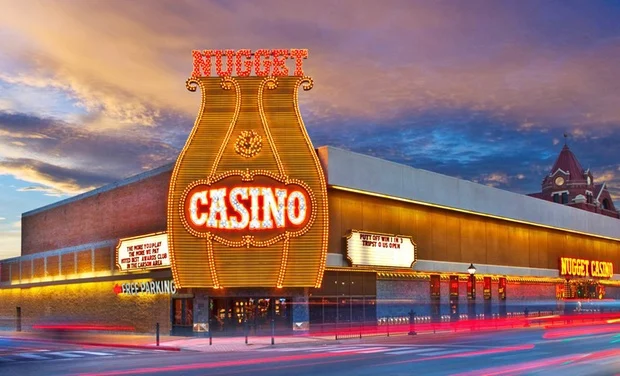
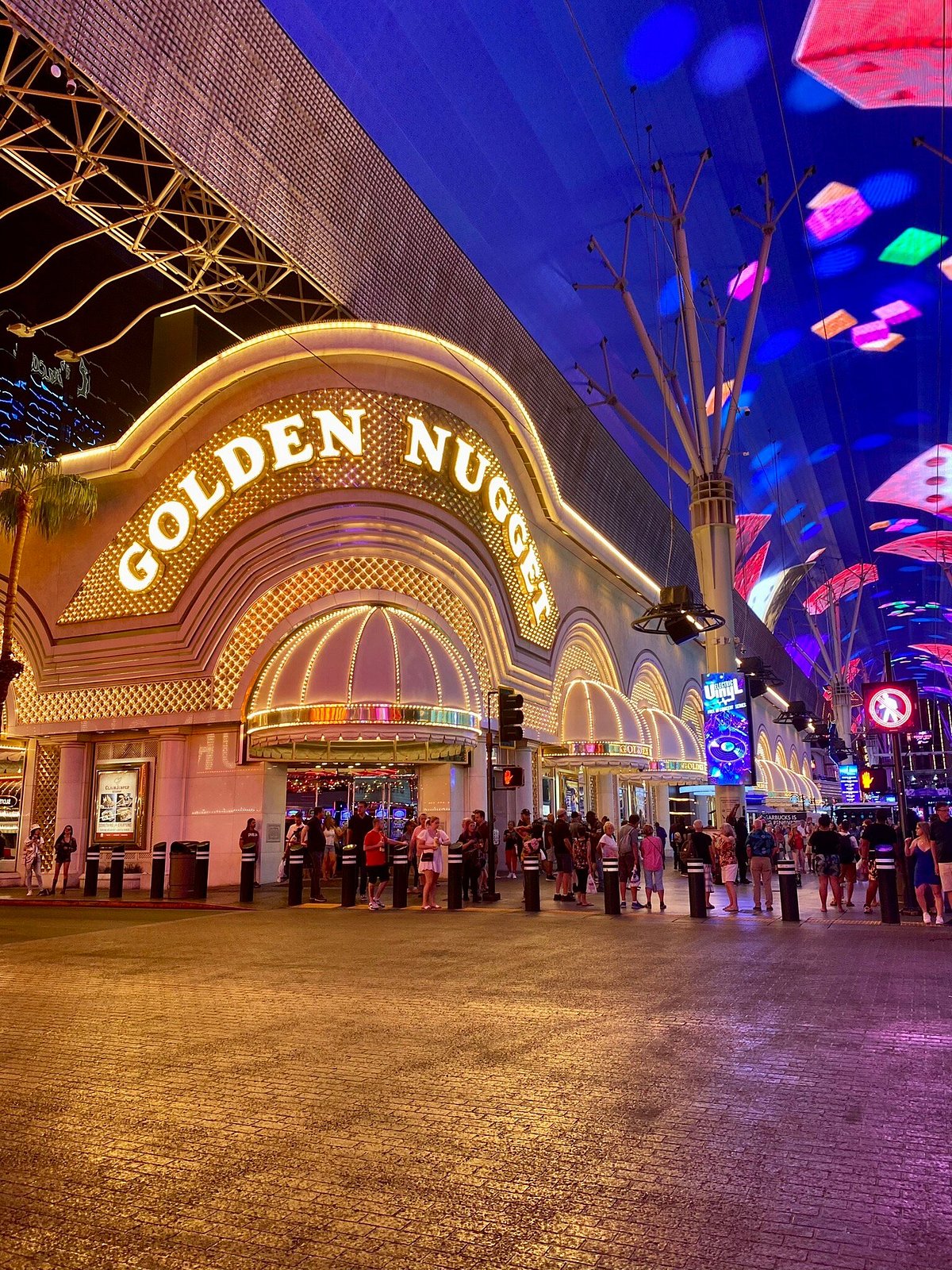
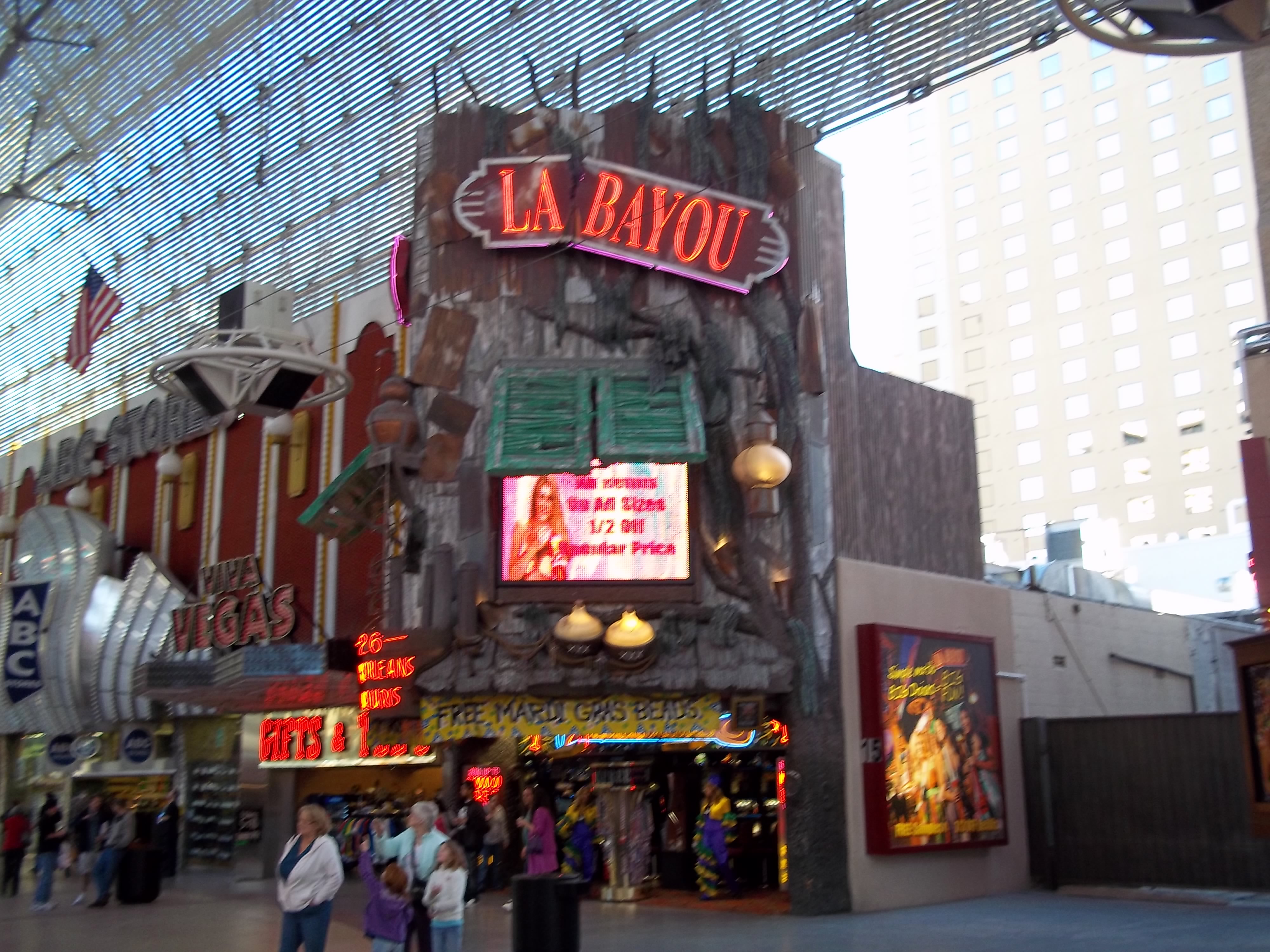
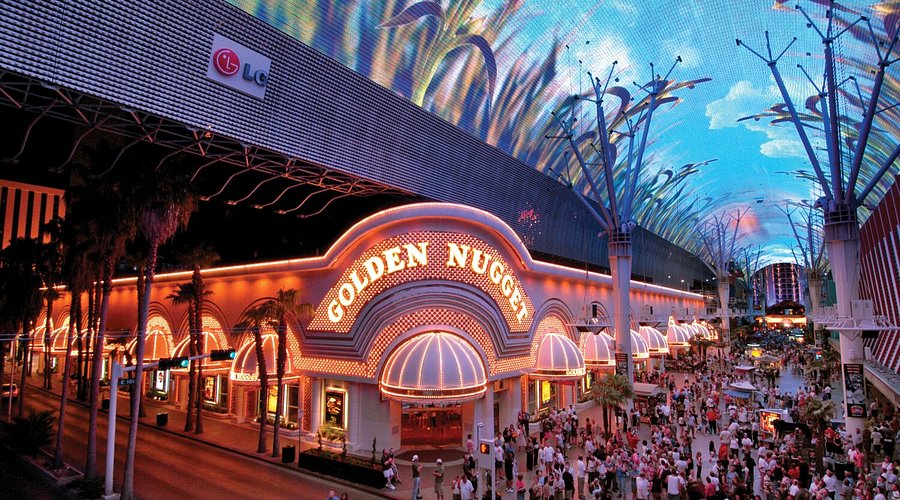
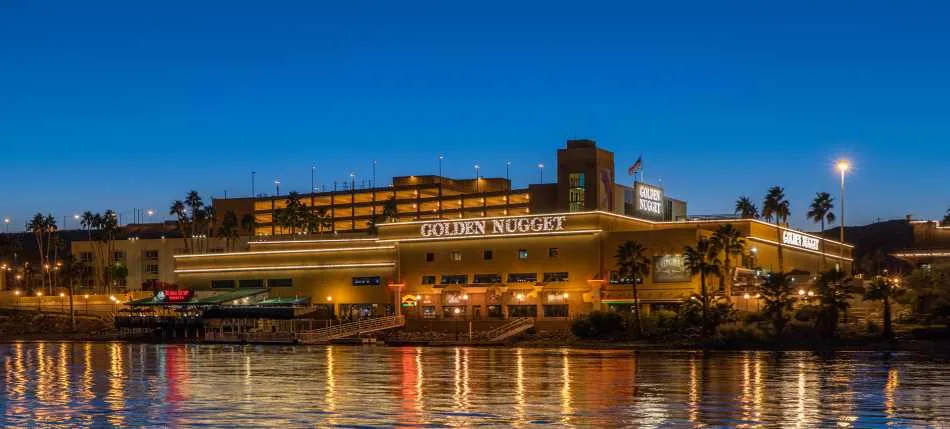
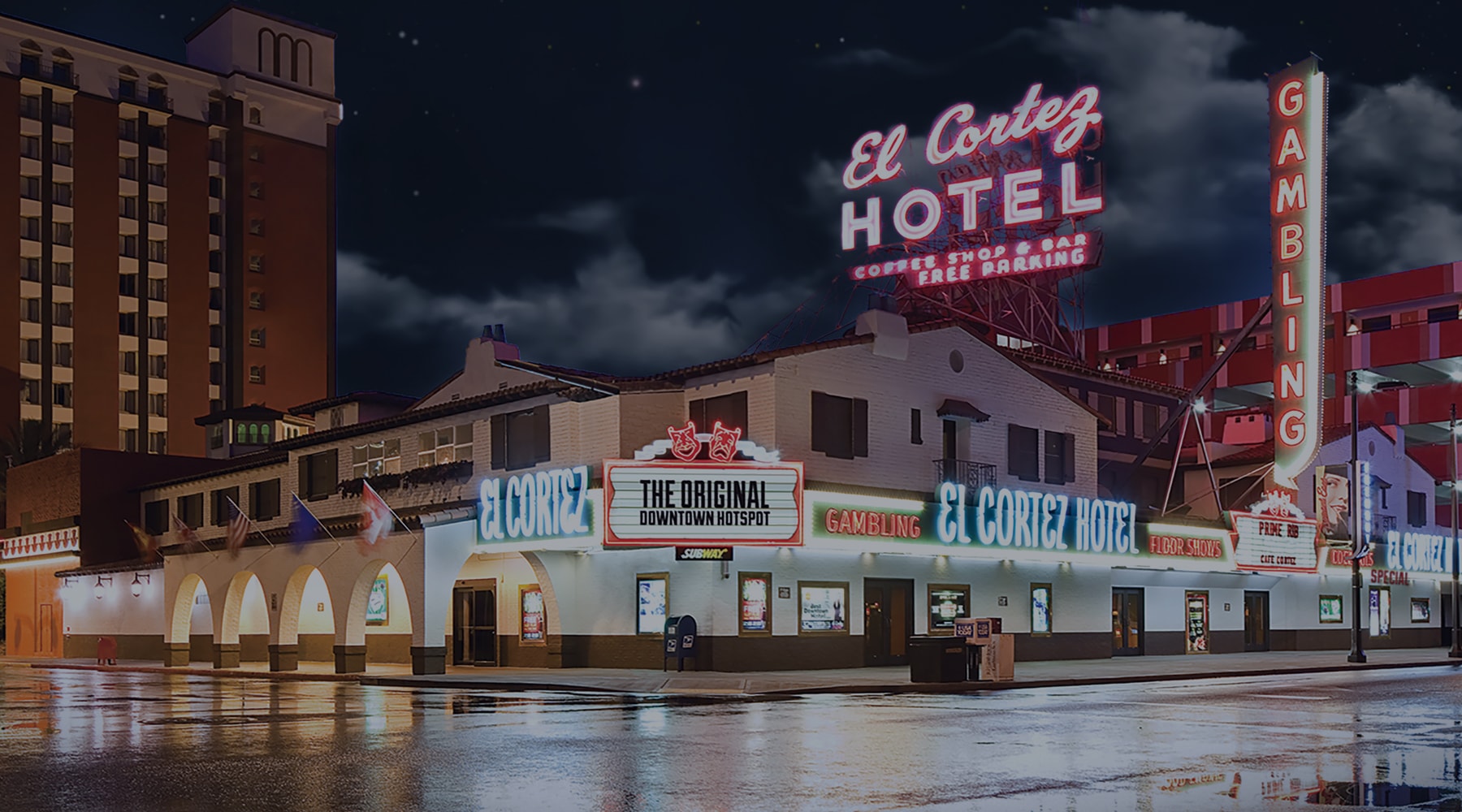
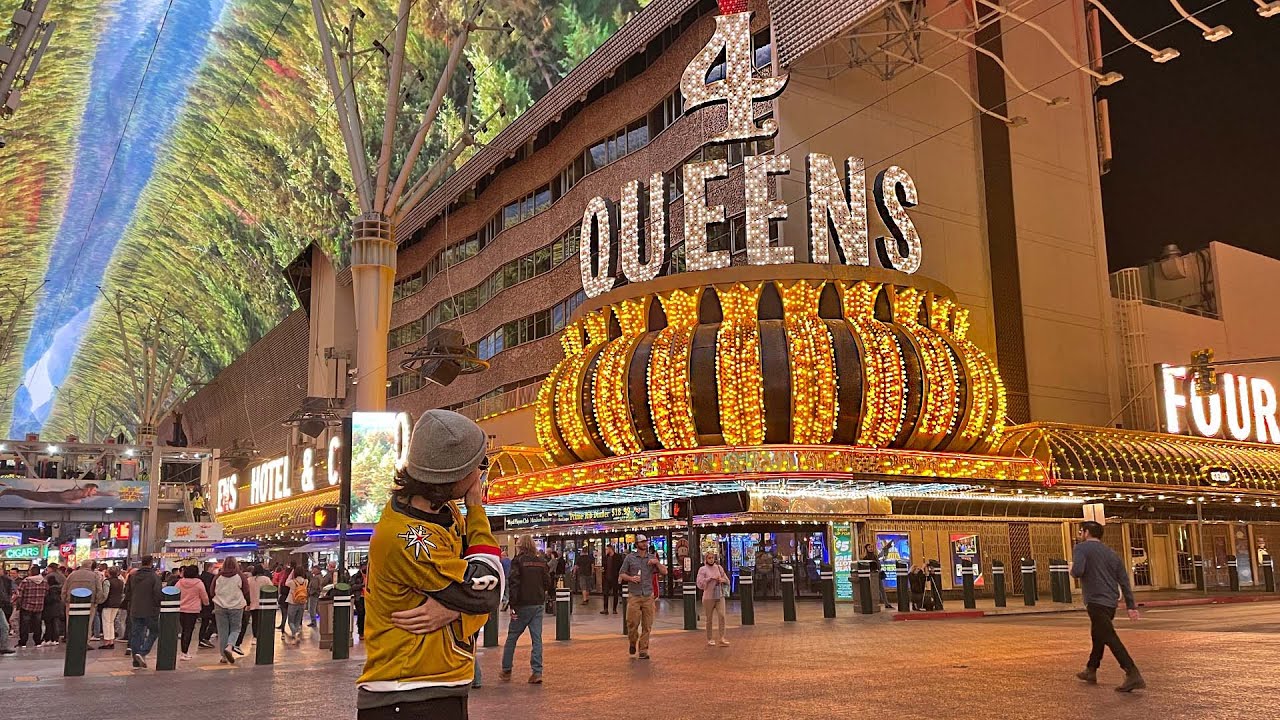
Before the Strip existed, gambling in Las Vegas meant Fremont Street. The Golden Nugget opened in 1946, and properties like the El Cortez, which began operation in 1941, remain in business today, making downtown Las Vegas home to some of the longest-running continuously operating casinos in the country. The Fremont Street Experience, a canopied pedestrian mall stretching several blocks between the casinos, draws its own crowds and gives the district an energy distinct from the Strip’s sprawling resort format.
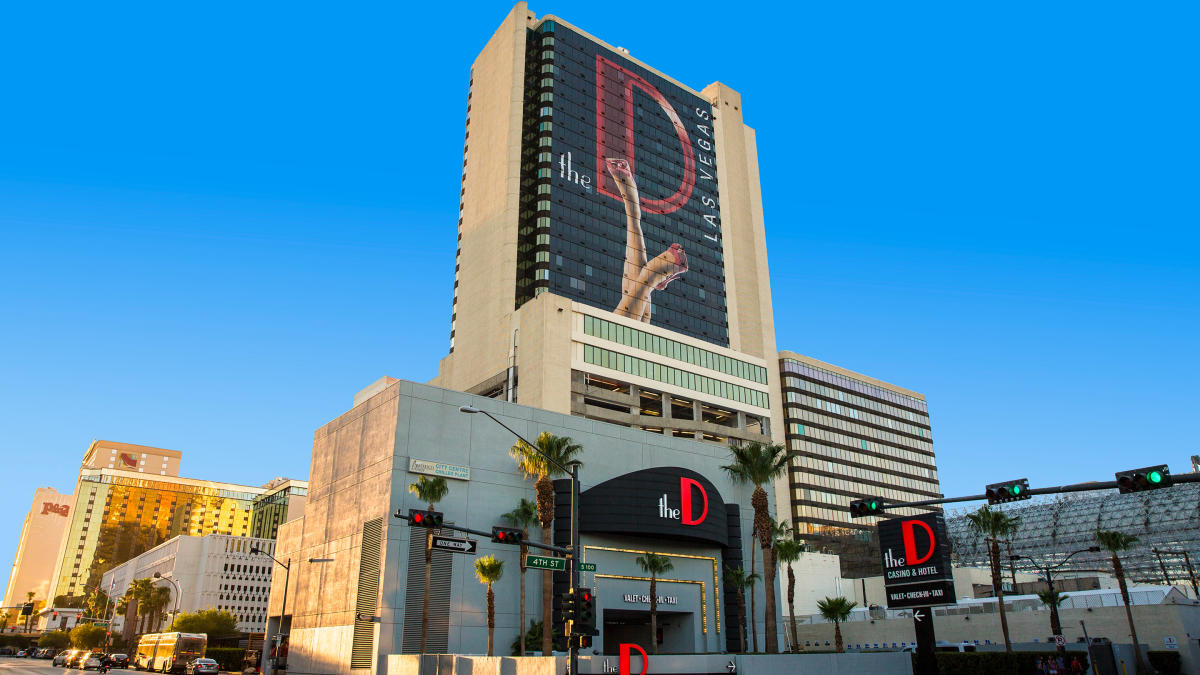
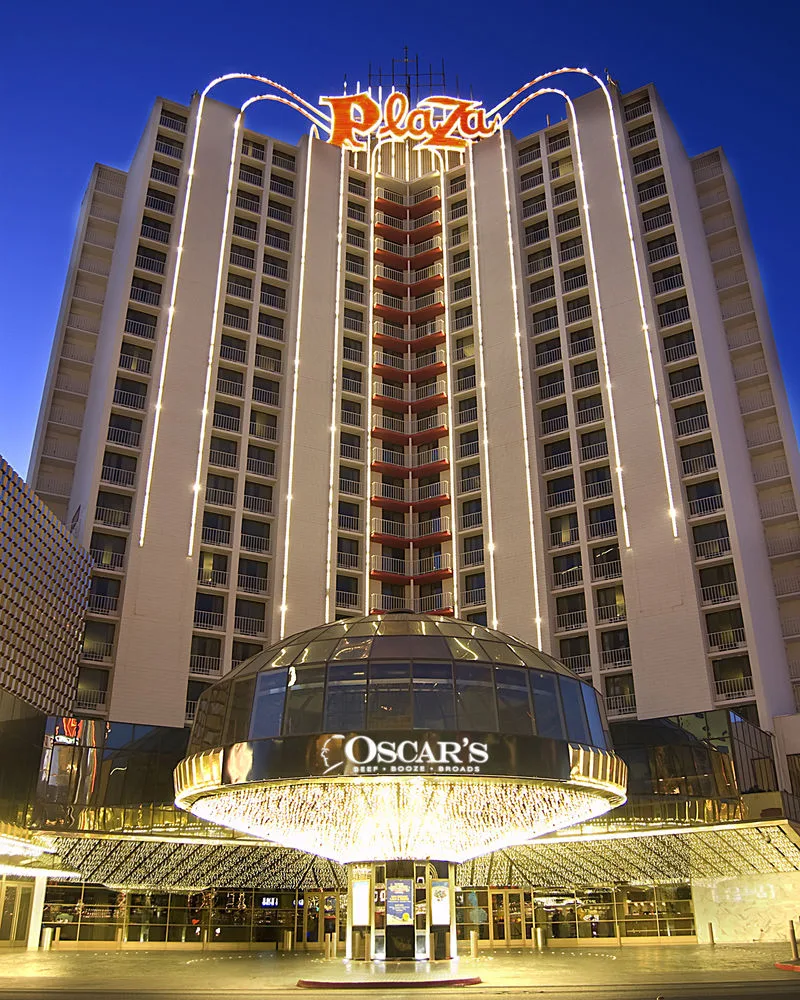
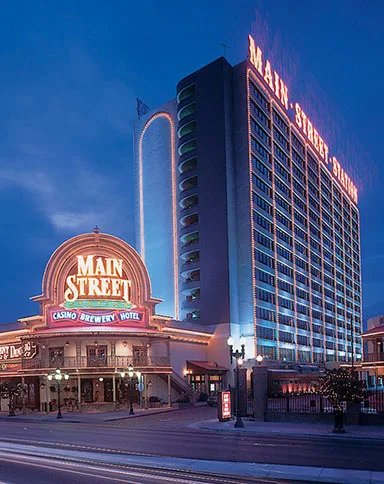
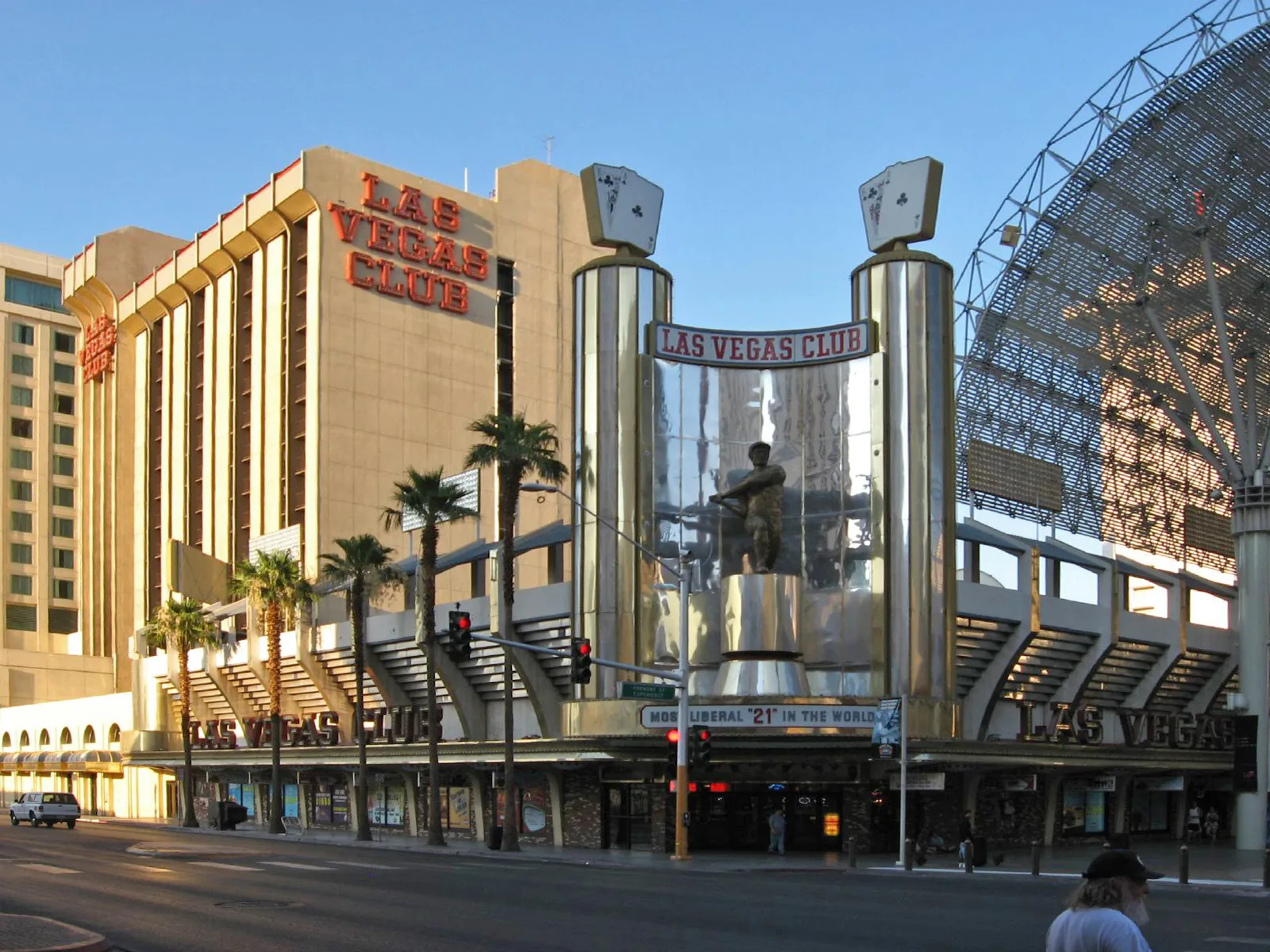
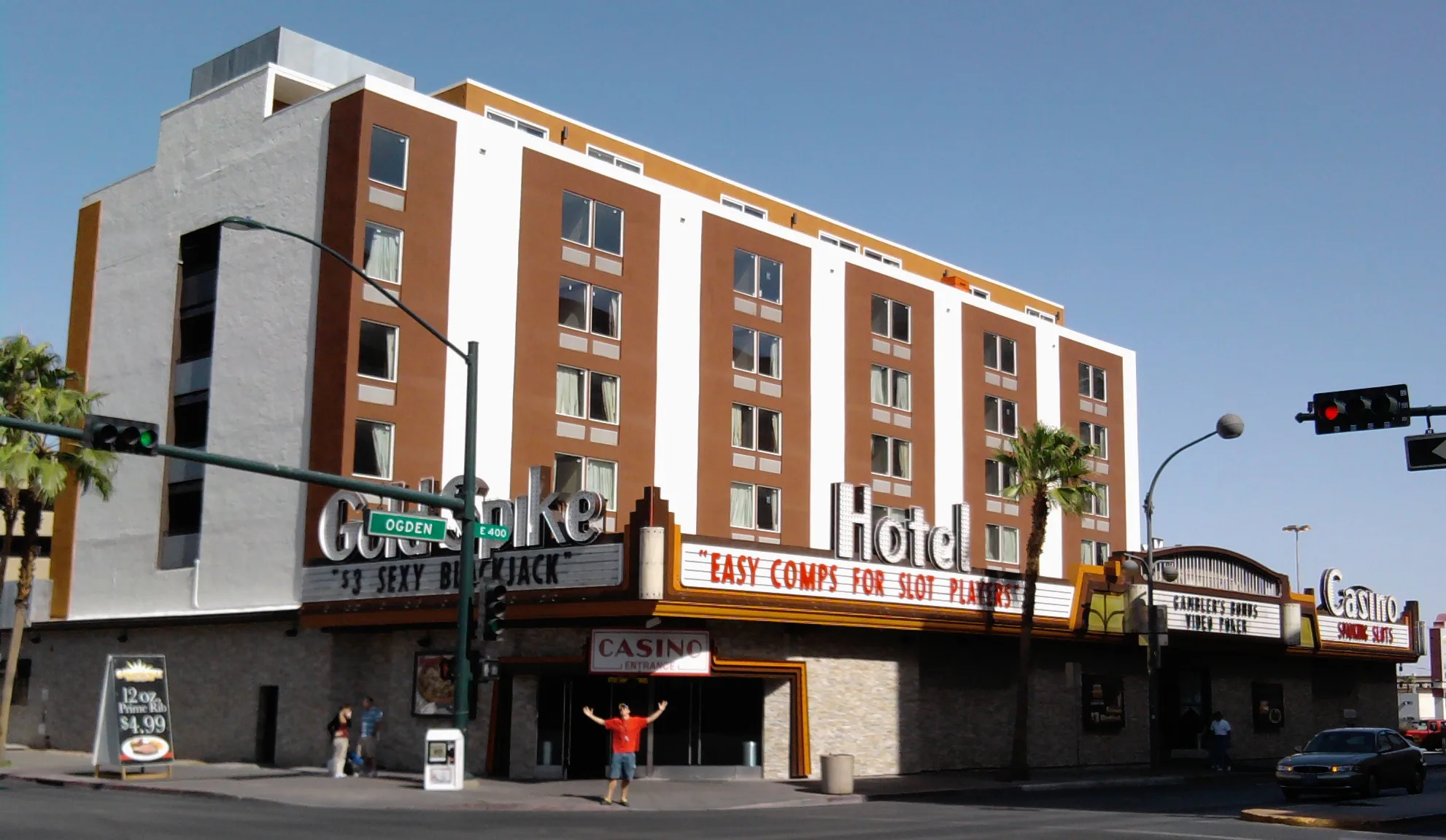
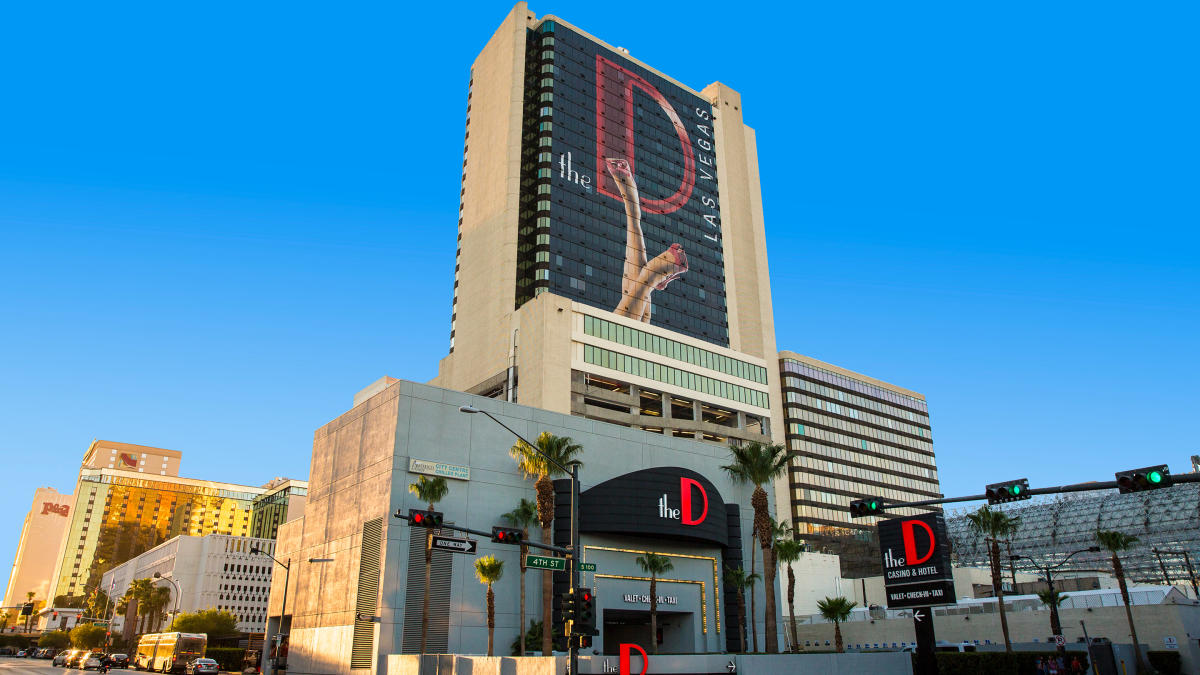
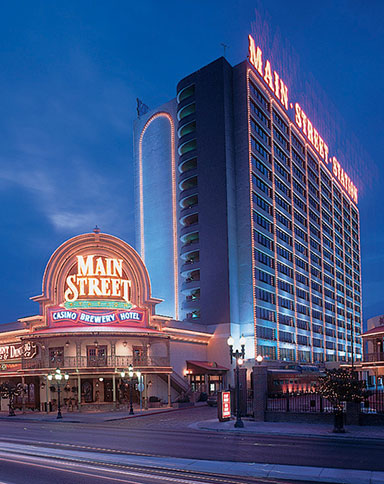
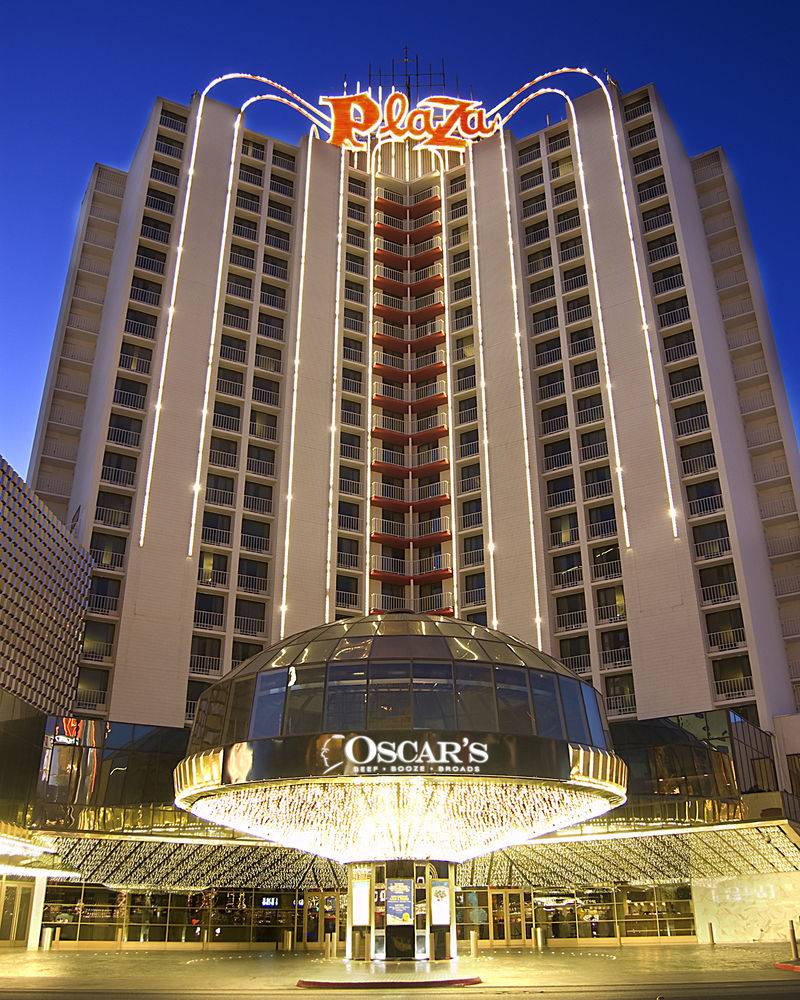
Downtown casinos generally offer lower table minimums than Strip properties, more liberal blackjack rules at certain tables, and a more compact geography that makes casino-to-casino comparisons easy on foot. The Golden Nugget Las Vegas is the anchor of the district and its most polished property, with a hotel, pool complex, and gaming floor that hold their own against mid-tier Strip competition. The D Las Vegas, Plaza Hotel and Casino, Main Street Station Hotel, Four Queens, and Fremont Hotel and Casino fill out the Fremont Street corridor with options across a range of price points and atmospheres. El Cortez, a few blocks off the main corridor, draws players who prioritize value, playable video poker pay tables, and a no-frills environment that has remained more or less consistent for decades.
Downtown has also attracted newer investment and redevelopment in the blocks surrounding Fremont Street, with bar and restaurant concepts that make the area a destination beyond casino gaming. For players who find the Strip’s scale overwhelming or its prices prohibitive, downtown Las Vegas offers a more approachable entry point without sacrificing the authentic Nevada casino experience.
Downtown Las Vegas and Fremont Street Casinos
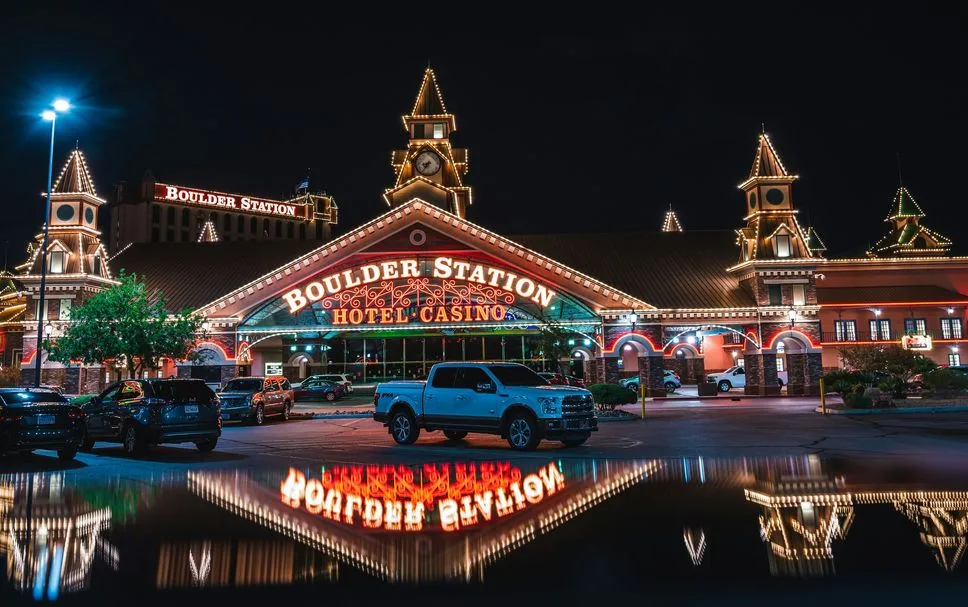
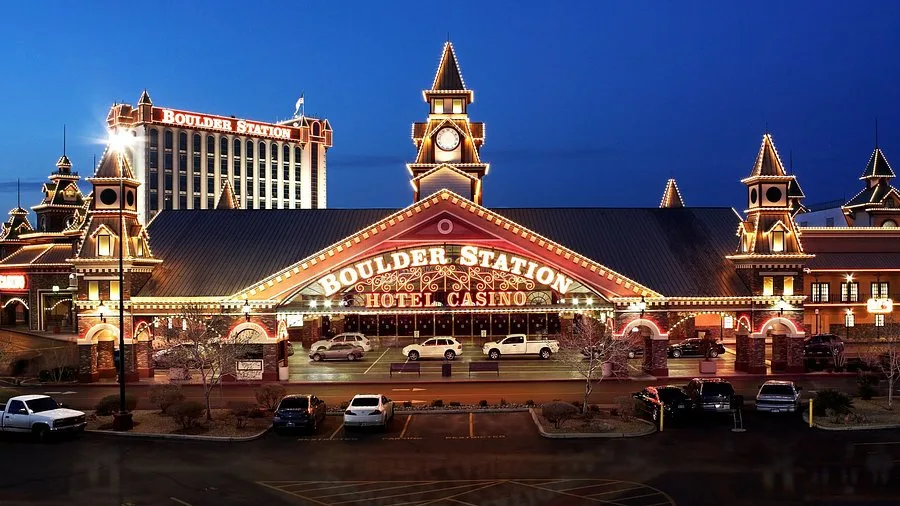
The Las Vegas market extends well beyond the Strip and downtown corridors. Station Casinos, Boyd Gaming, and other operators run a network of locals-oriented properties in the surrounding residential communities, and these casinos have built loyal customer bases by offering competitive gaming conditions, generous loyalty programs, and everyday amenities that serve residents rather than tourists.
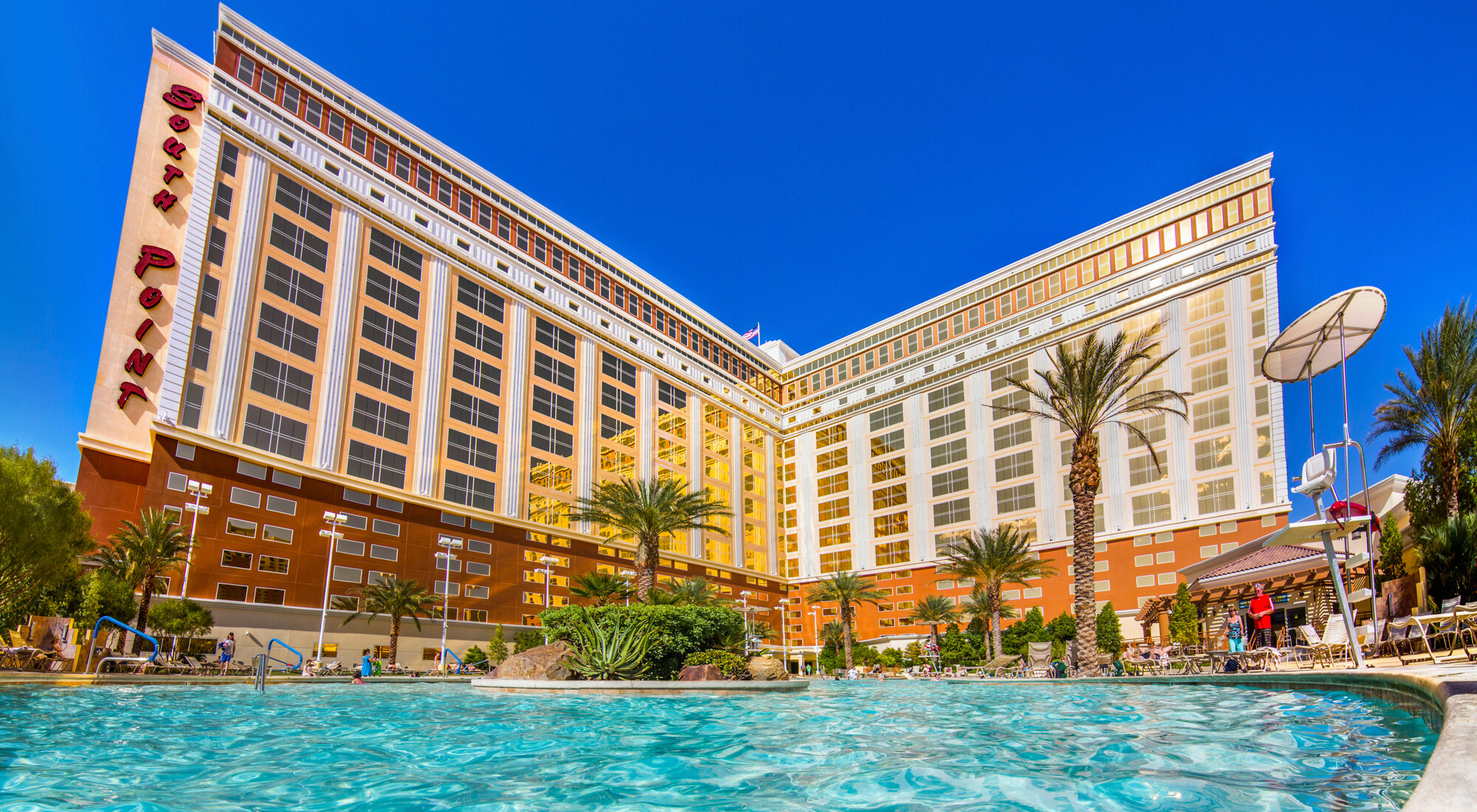
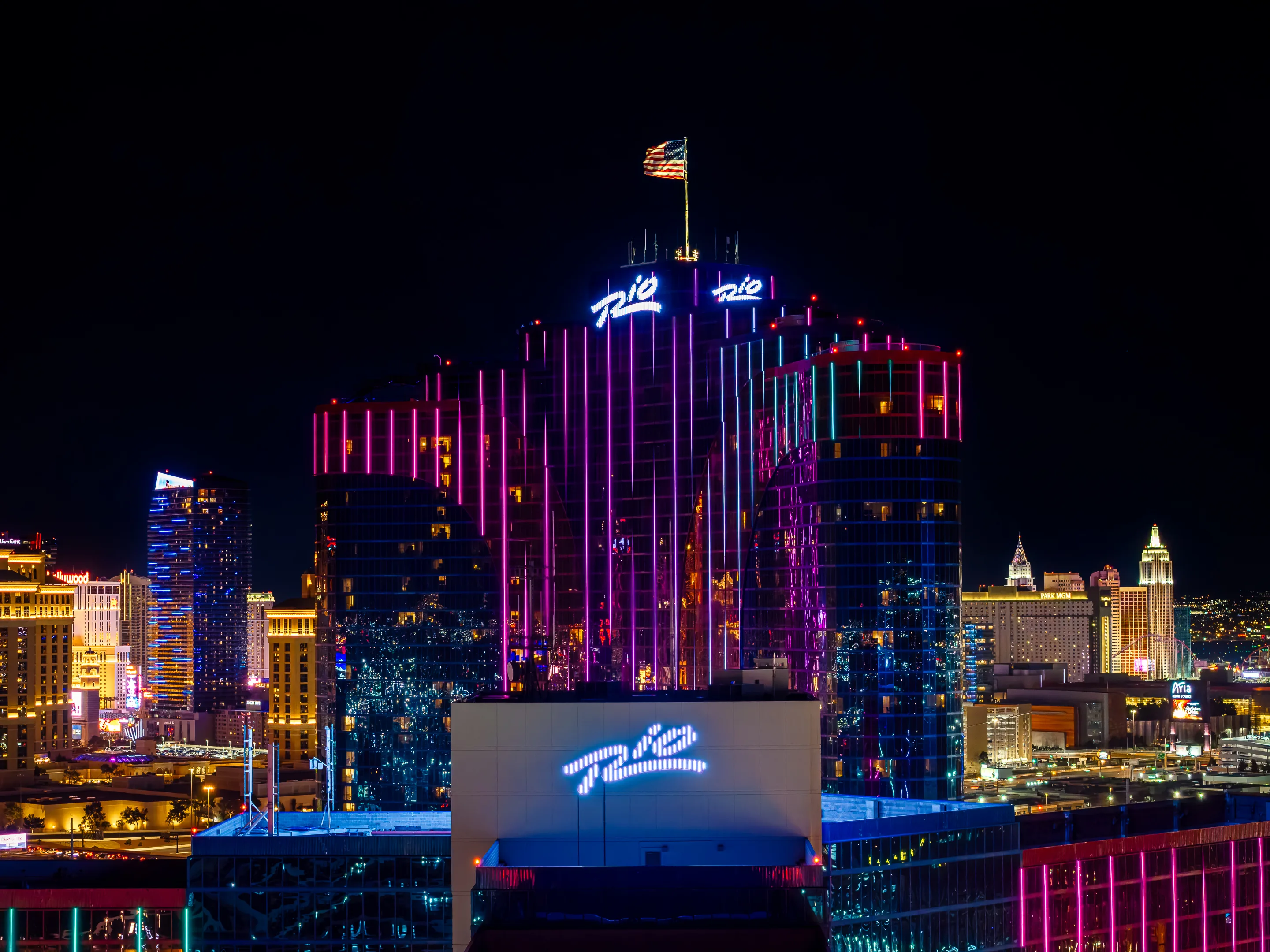
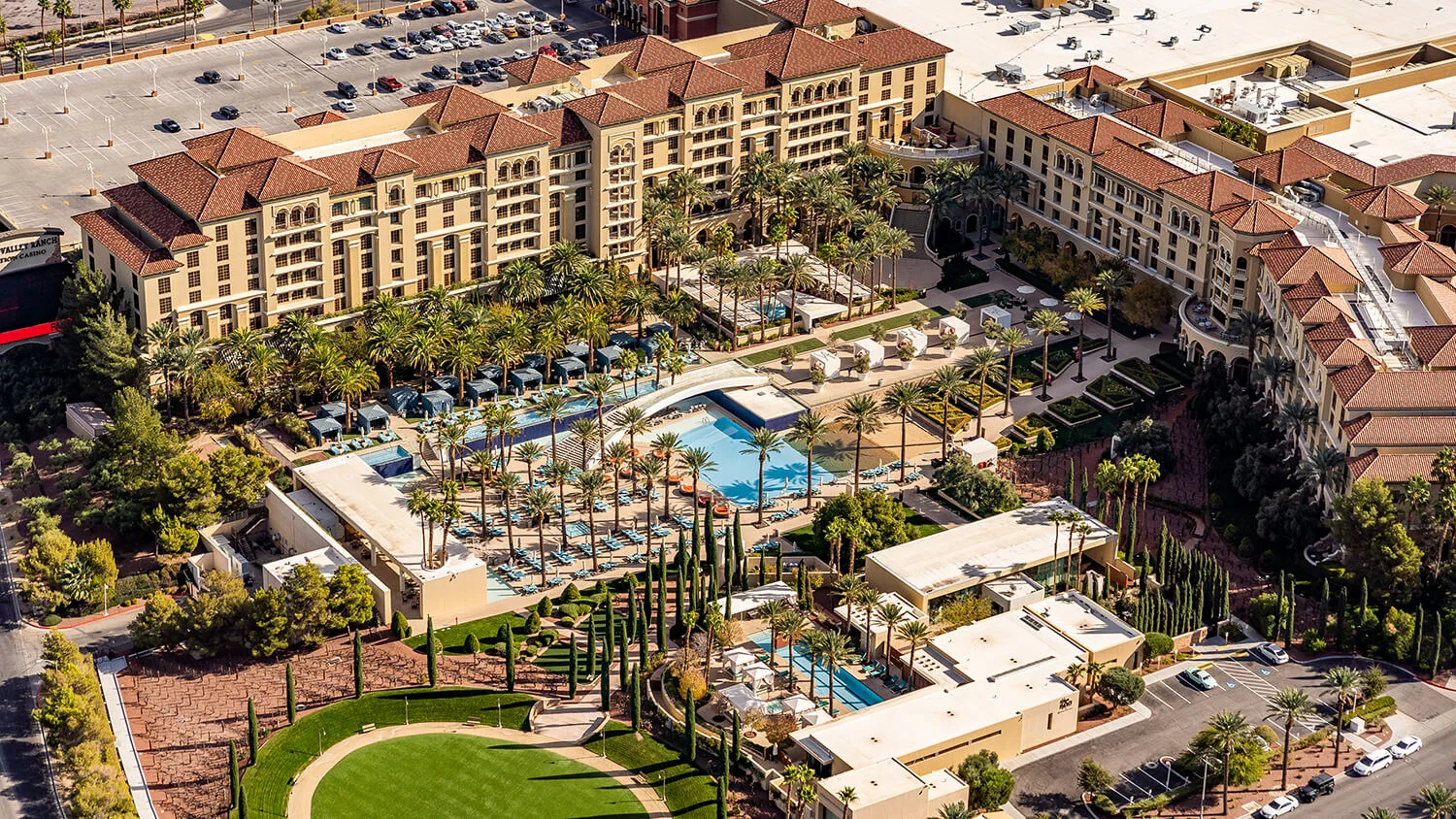
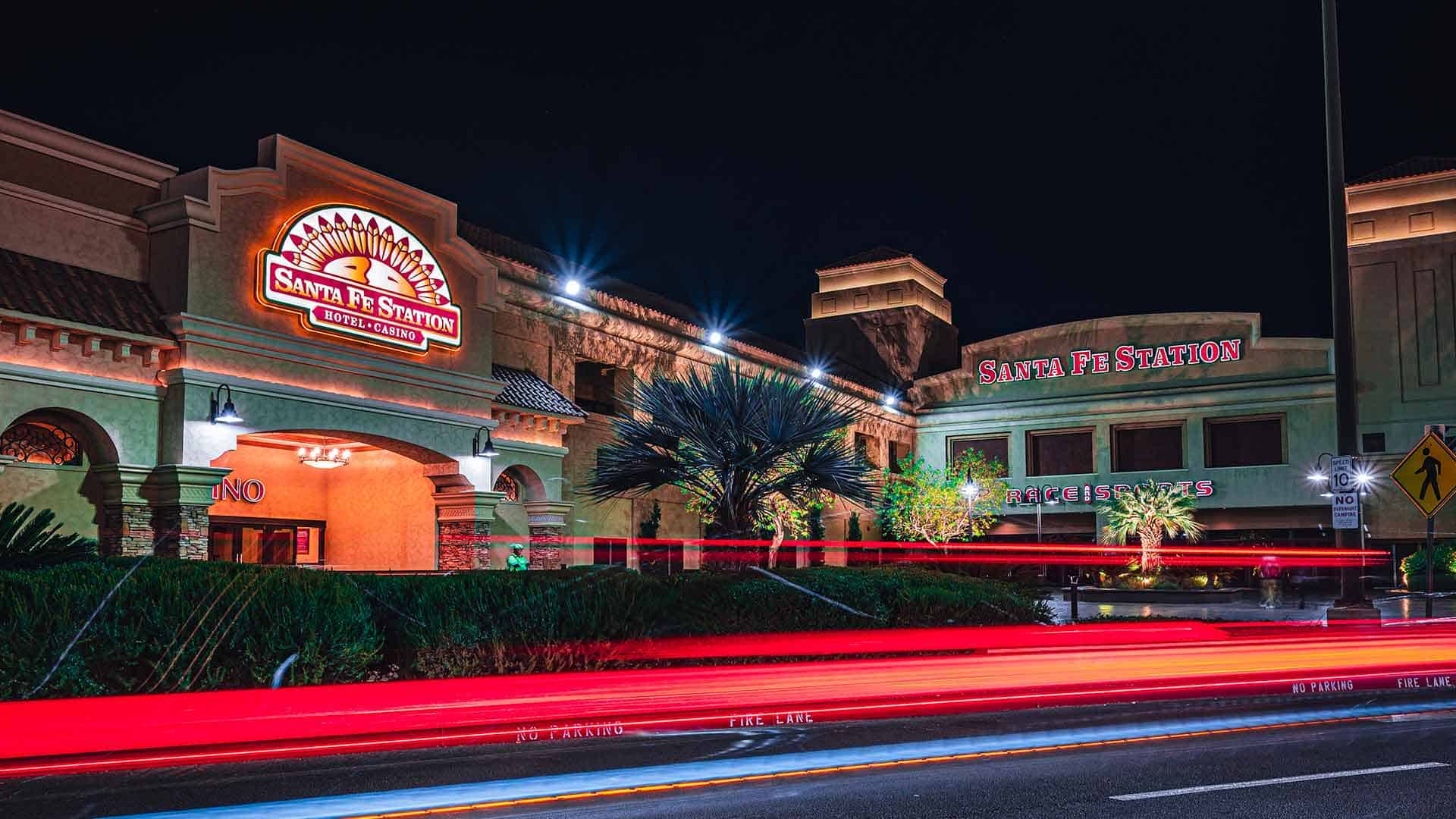
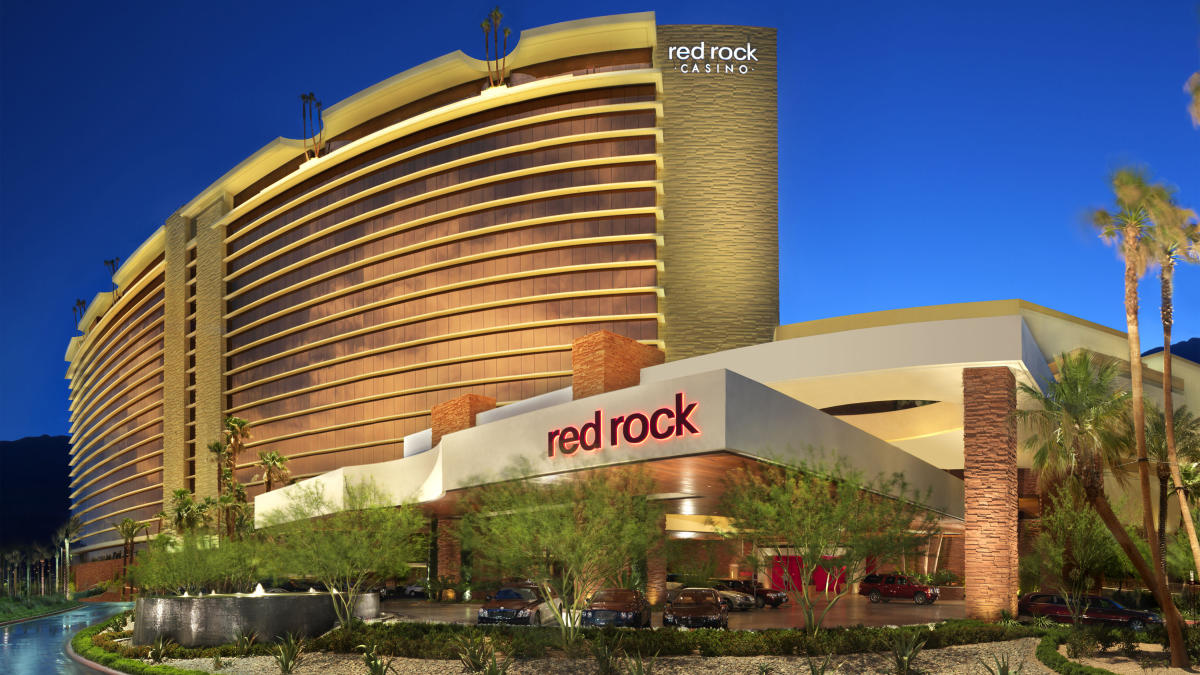
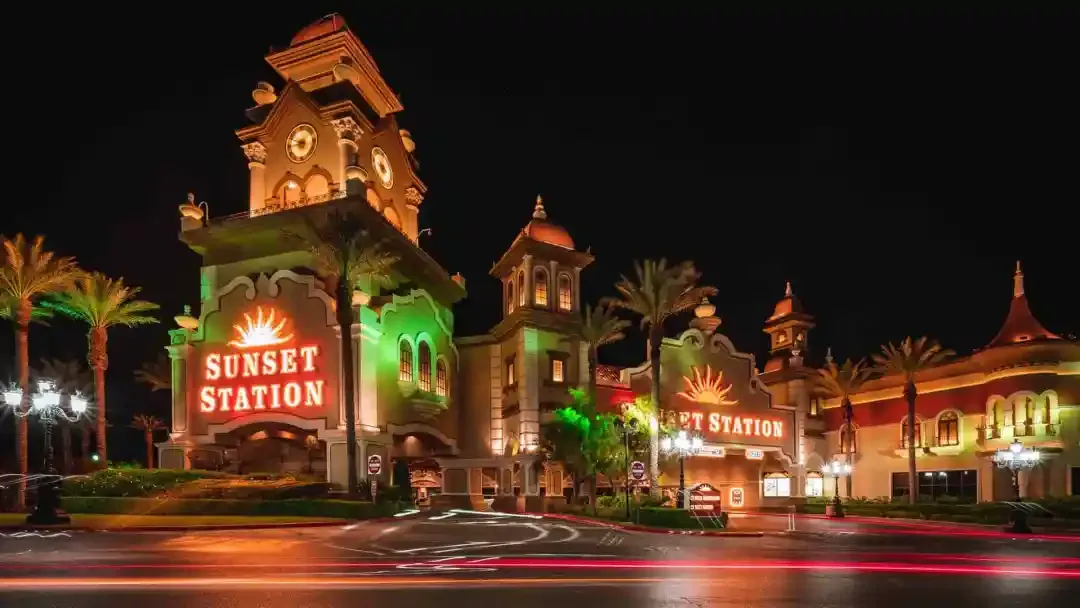
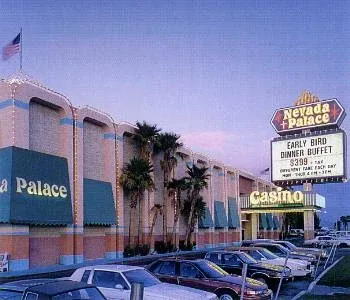
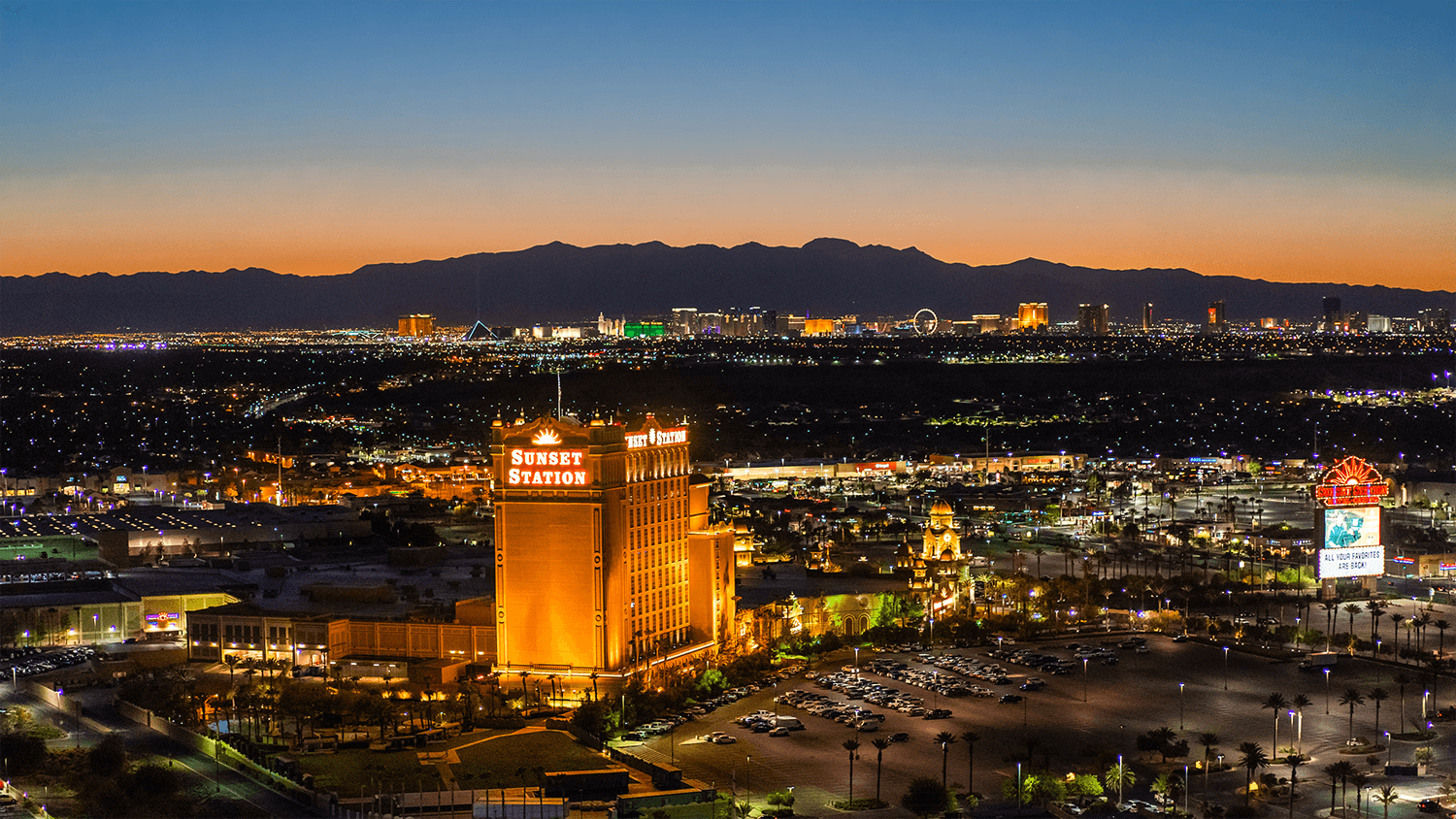
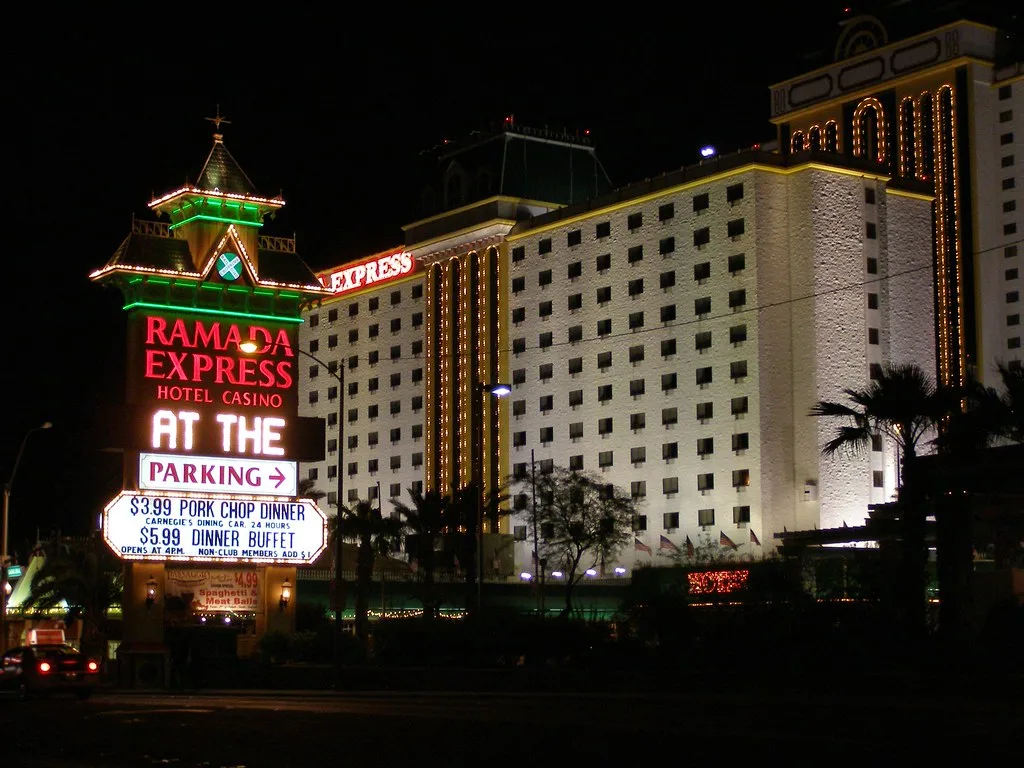
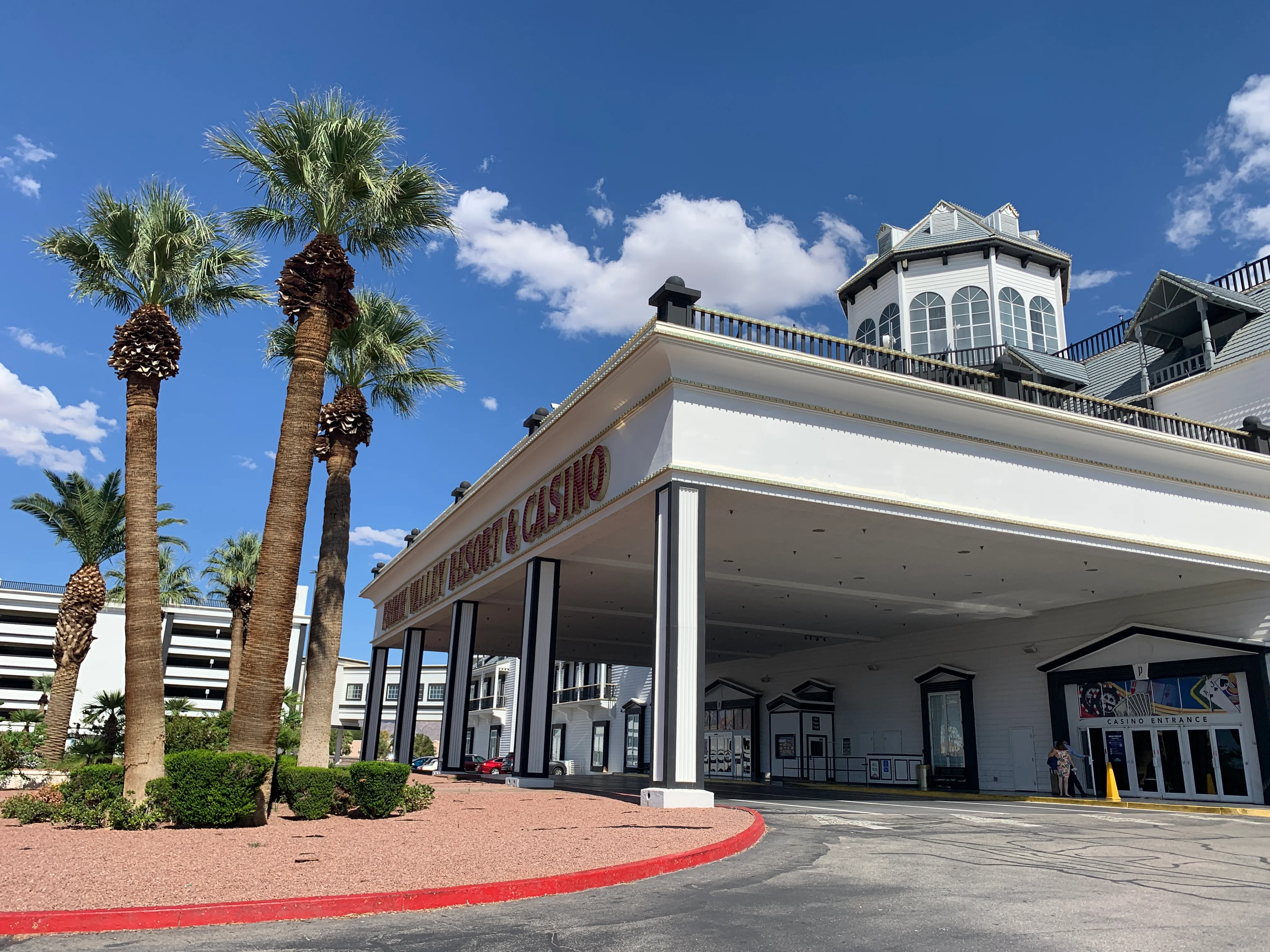
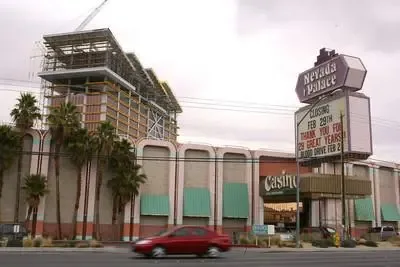
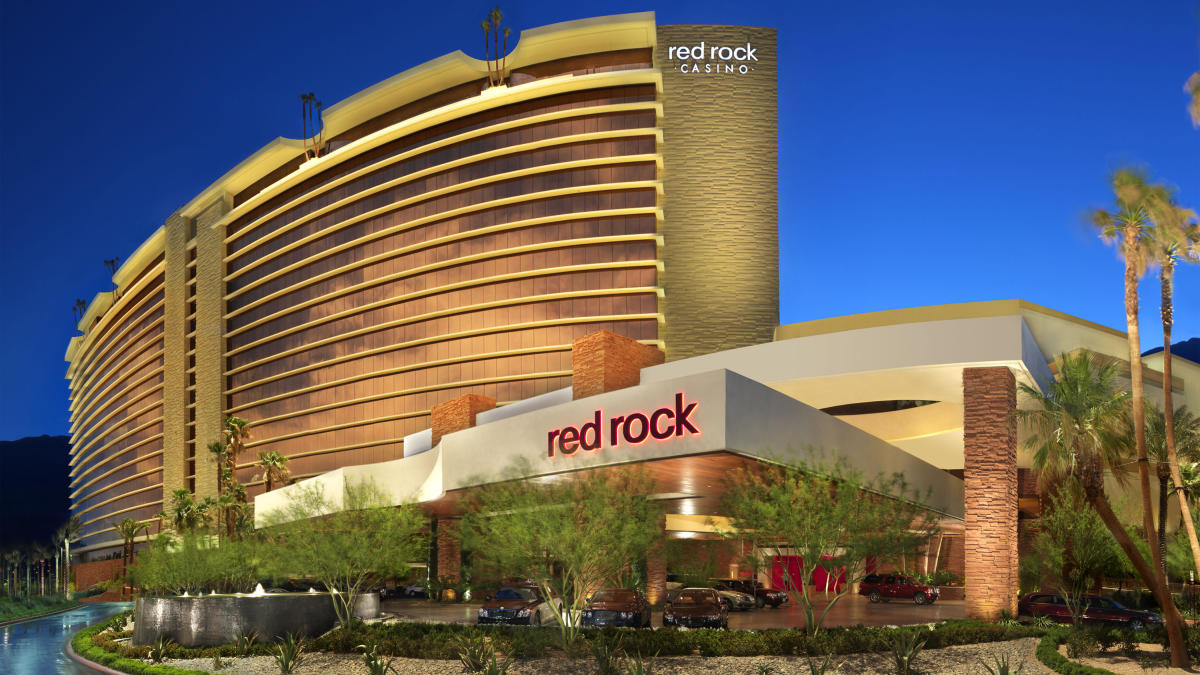
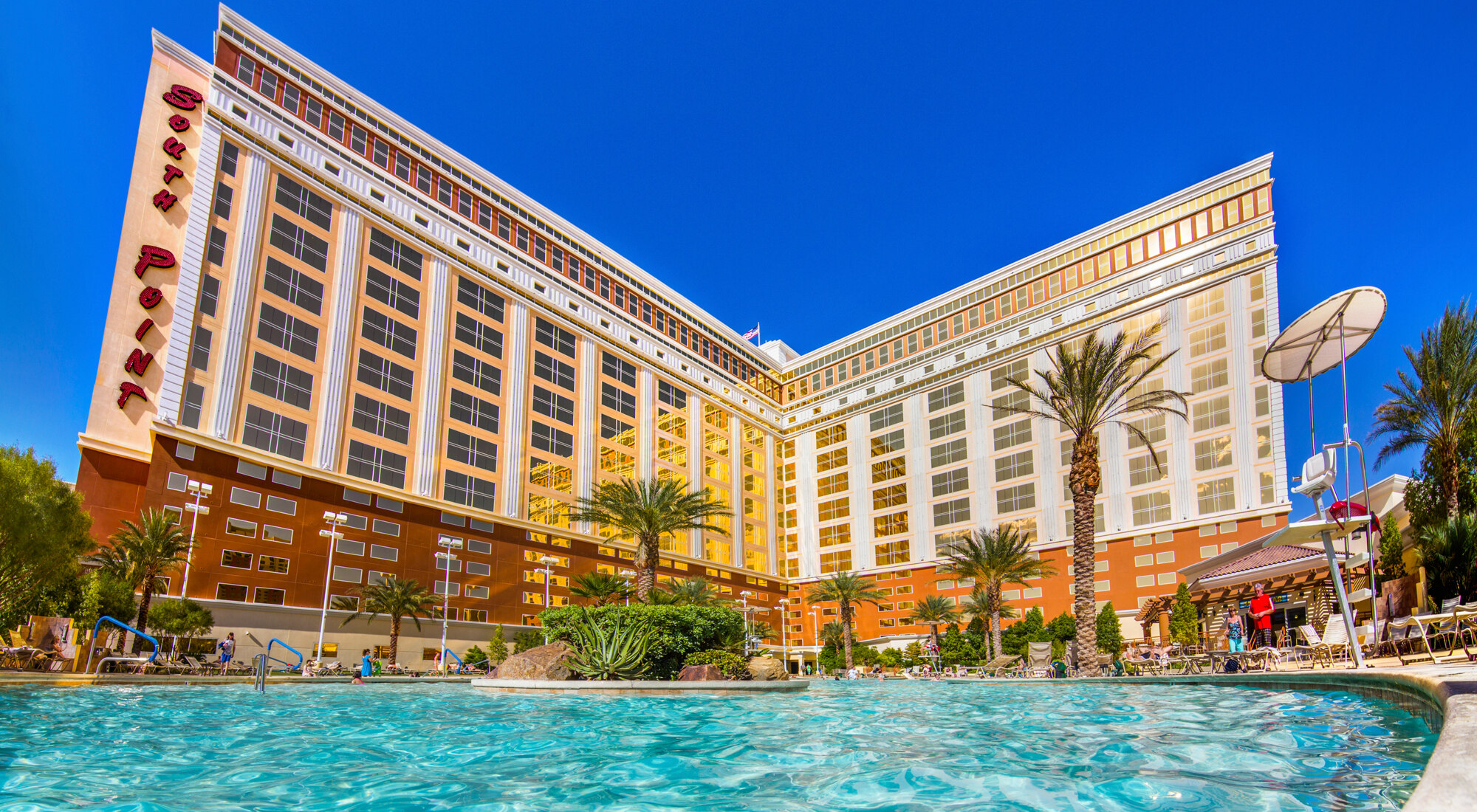
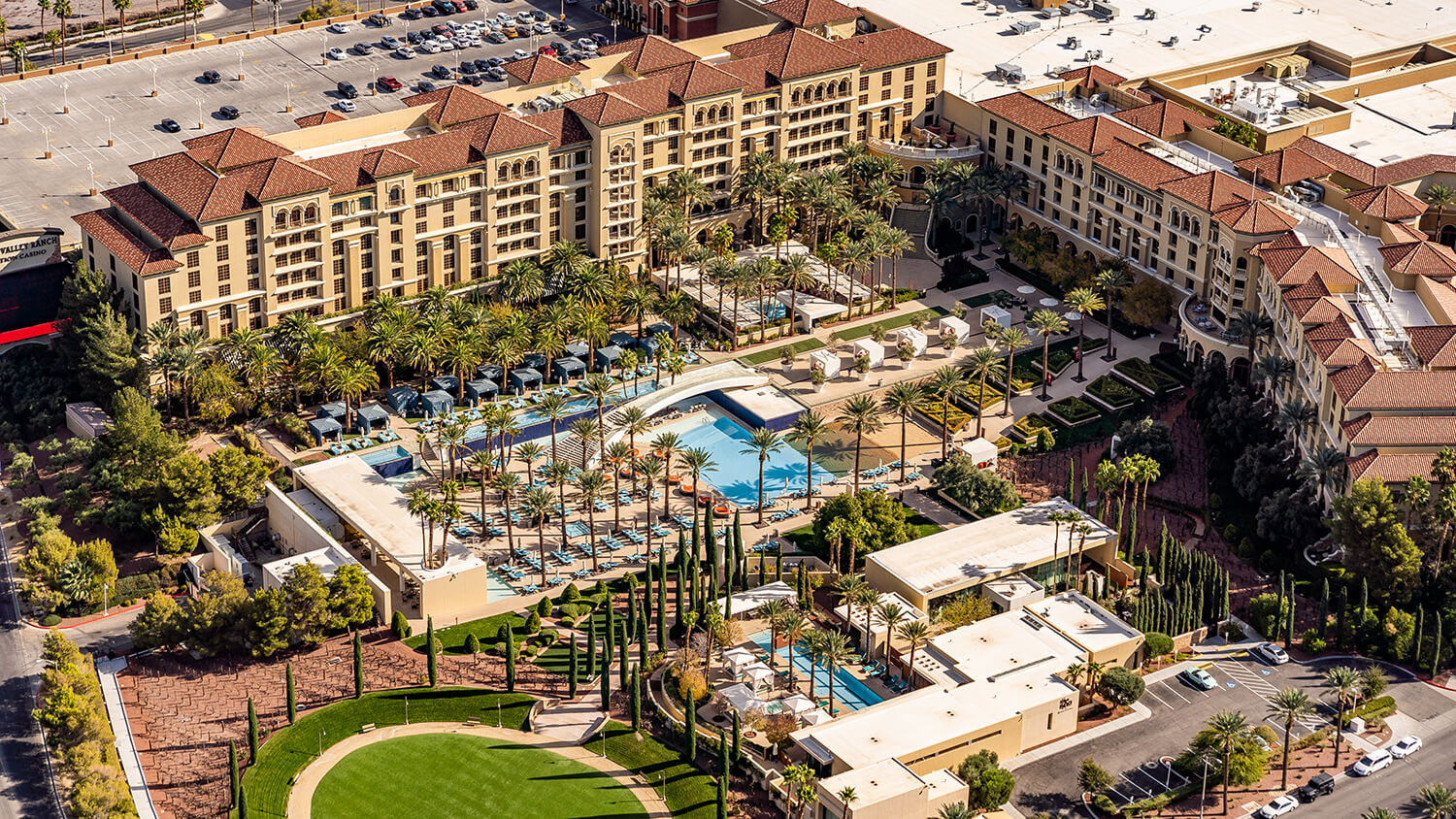
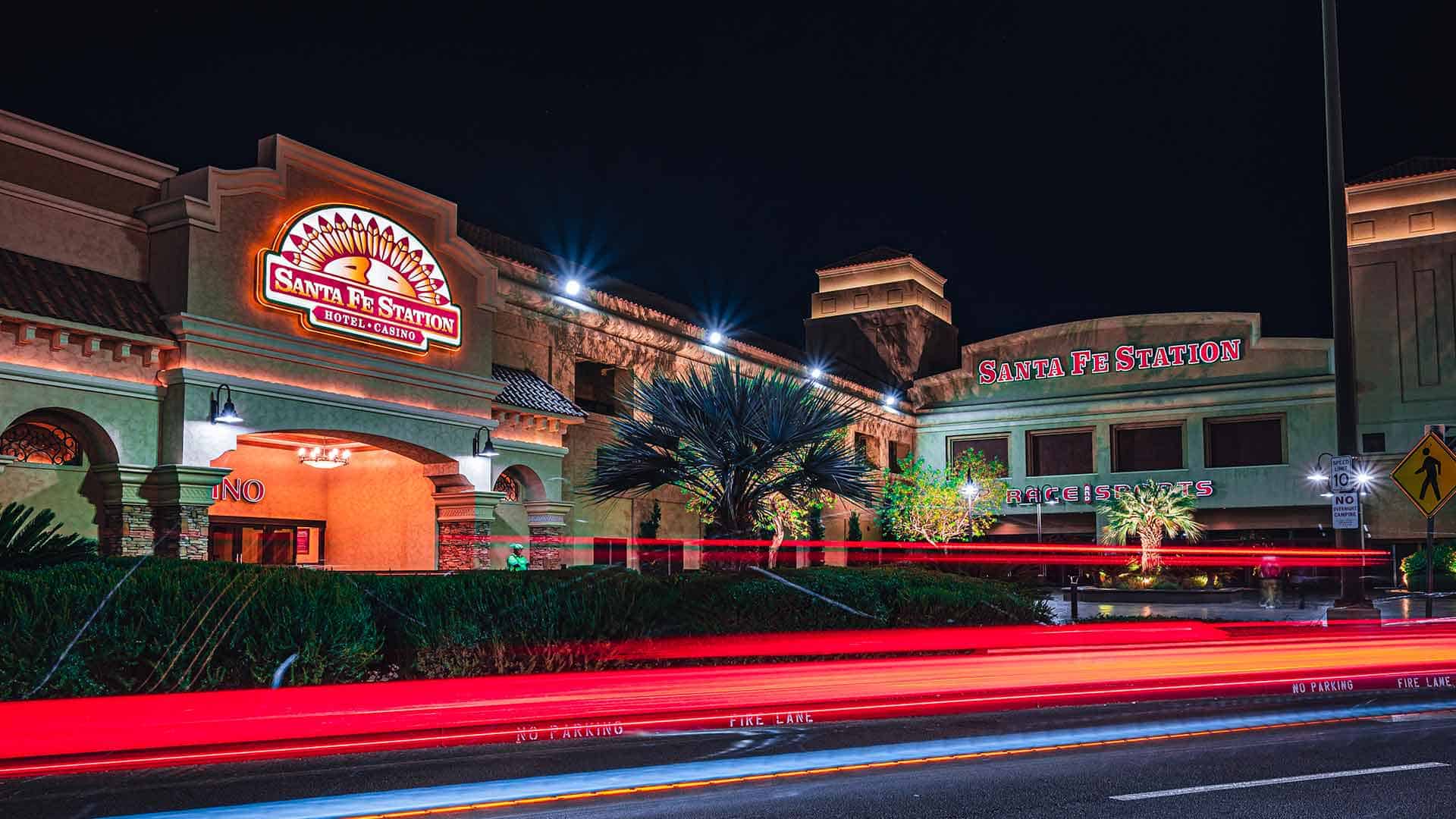
Red Rock Resort, Spa and Casino sits at the western edge of the valley near the Red Rock Canyon National Conservation Area and operates as the flagship of the Station Casinos locals portfolio. Its gaming floor is large, its table game selection is broad, and the property’s food and beverage program is a step above the typical locals casino. Green Valley Ranch, in the southeast valley near Henderson, follows a similar model with strong dining and a resort-quality hotel. South Point on the southern end of Las Vegas Boulevard beyond Mandalay Bay is a full-service property with a distinctive equestrian center and one of the larger bowling alleys in the region. Palace Station, one of the original Station properties, sits west of the Strip near Interstate 15 and remains popular for its video poker selection and promotional offers. Santa Fe Station serves the northwest Las Vegas market and maintains a loyal base among players in that part of the valley.
Locals’ casinos in Nevada are subject to the same licensing and regulatory requirements as Strip properties, but they operate in a different commercial reality. Their customer base returns weekly or even daily, which means the casino has a strong incentive to offer games with better return-to-player percentages and promotional overlays that reward frequent play. Slot clubs and tiered loyalty programs are typically more aggressive at locals properties than at tourist-facing Strip resorts.
Las Vegas Off-Strip and Locals' Casinos
Reno anchors the northern Nevada gaming market approximately 450 miles north of Las Vegas, sitting at 4,500 feet in elevation on the eastern slope of the Sierra Nevada. The city has operated as a gaming center since Nevada’s 1931 legalization, and its downtown core remains defined by casino towers that date from the mid-twentieth century alongside properties that have undergone significant renovation in more recent decades.
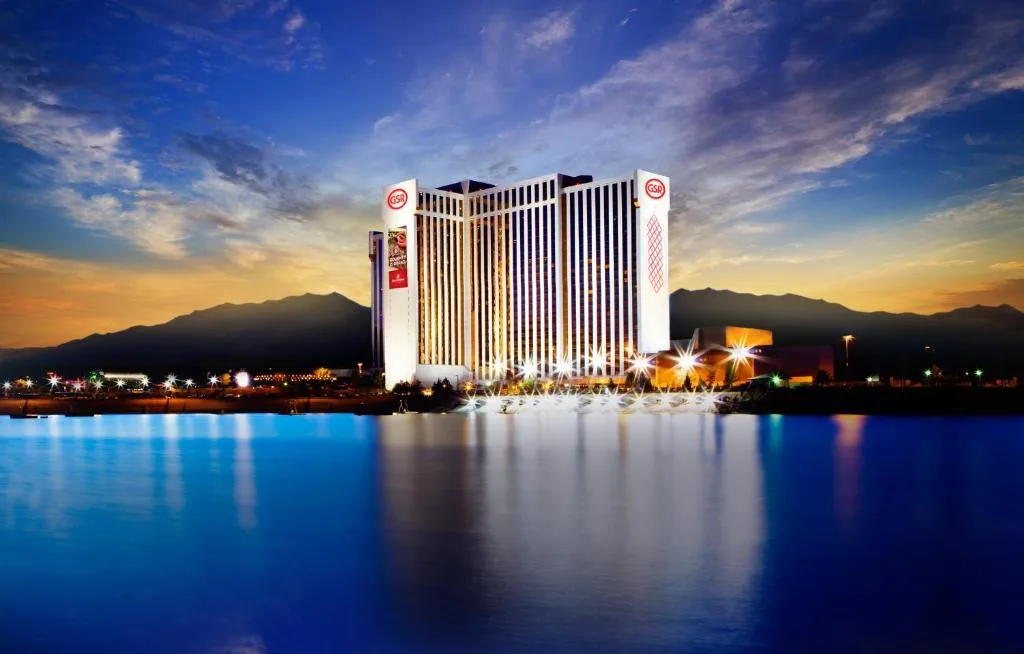
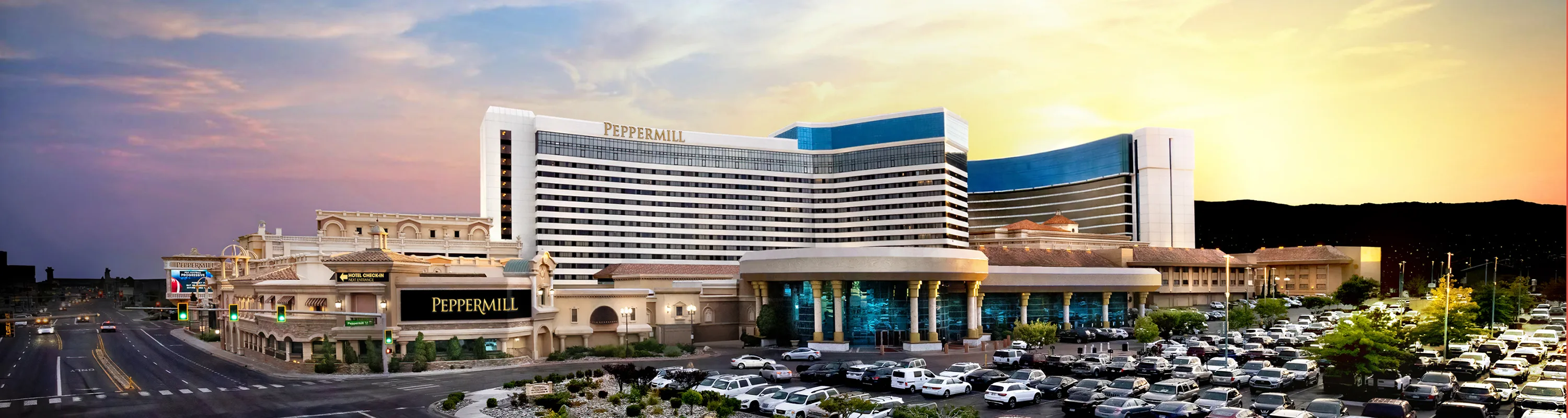
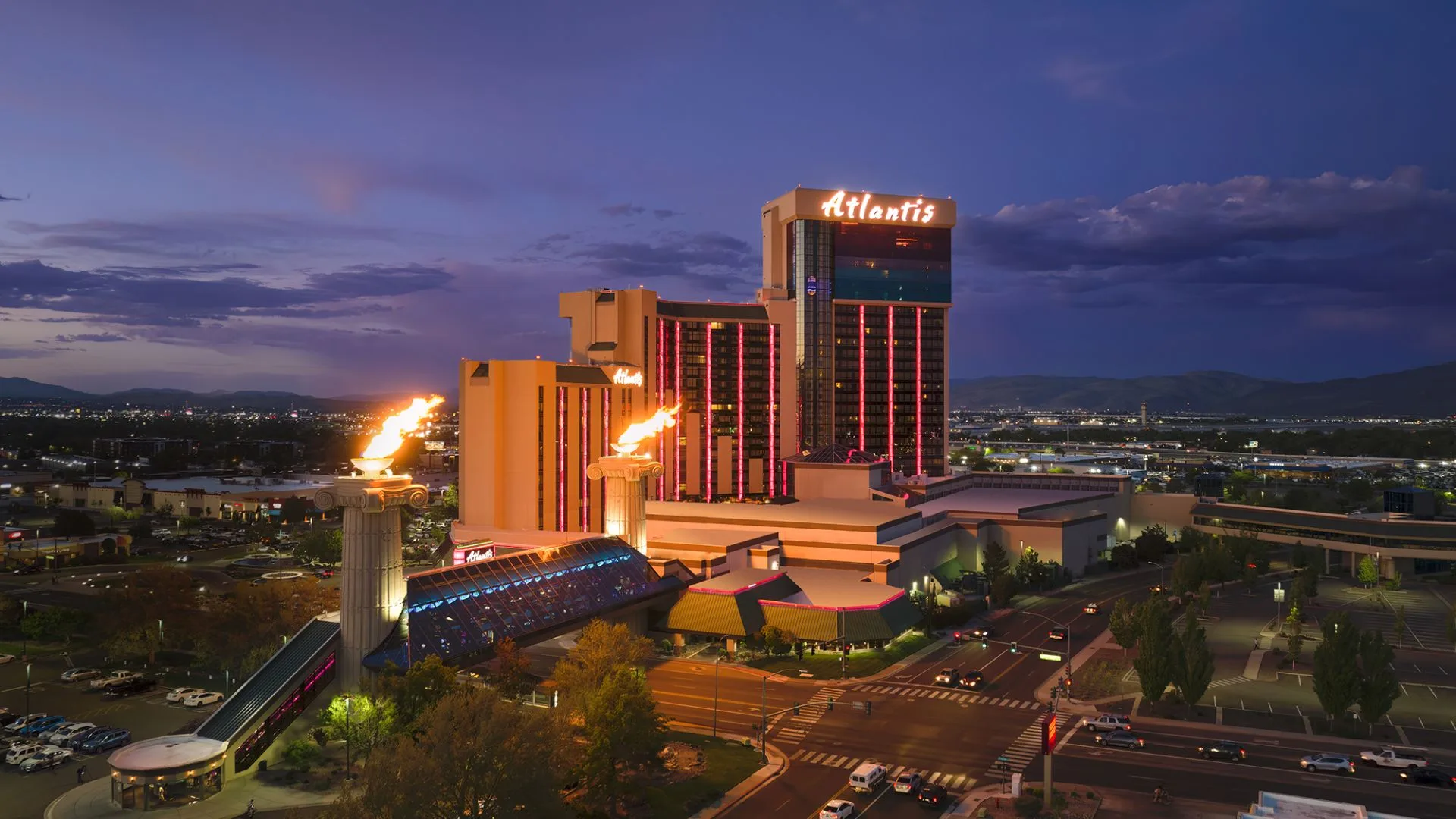
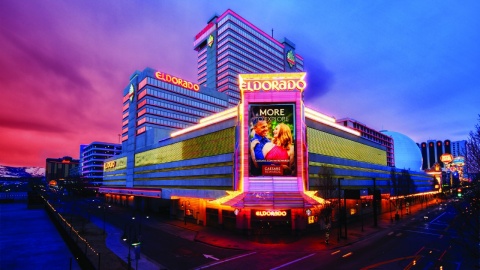
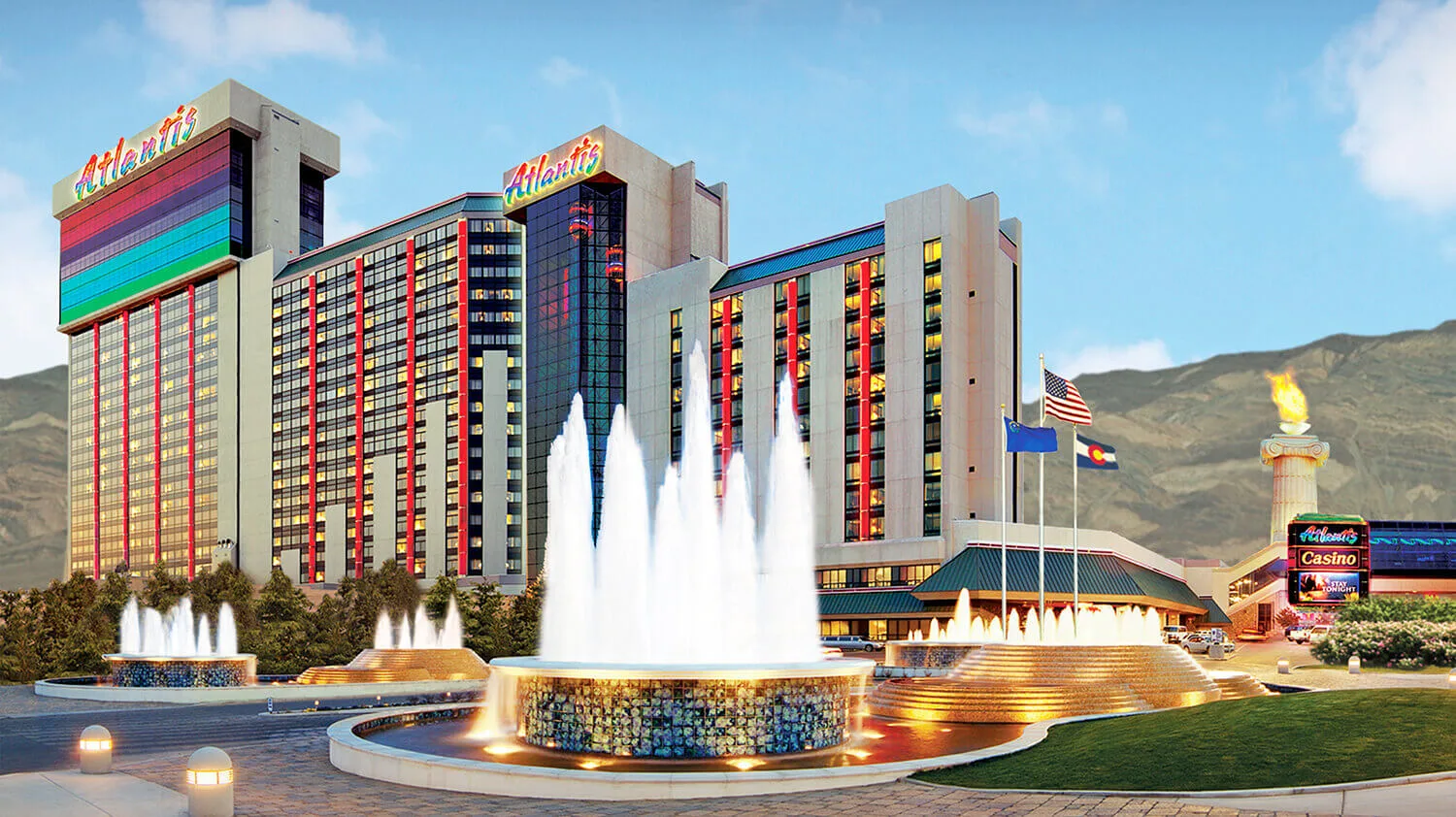
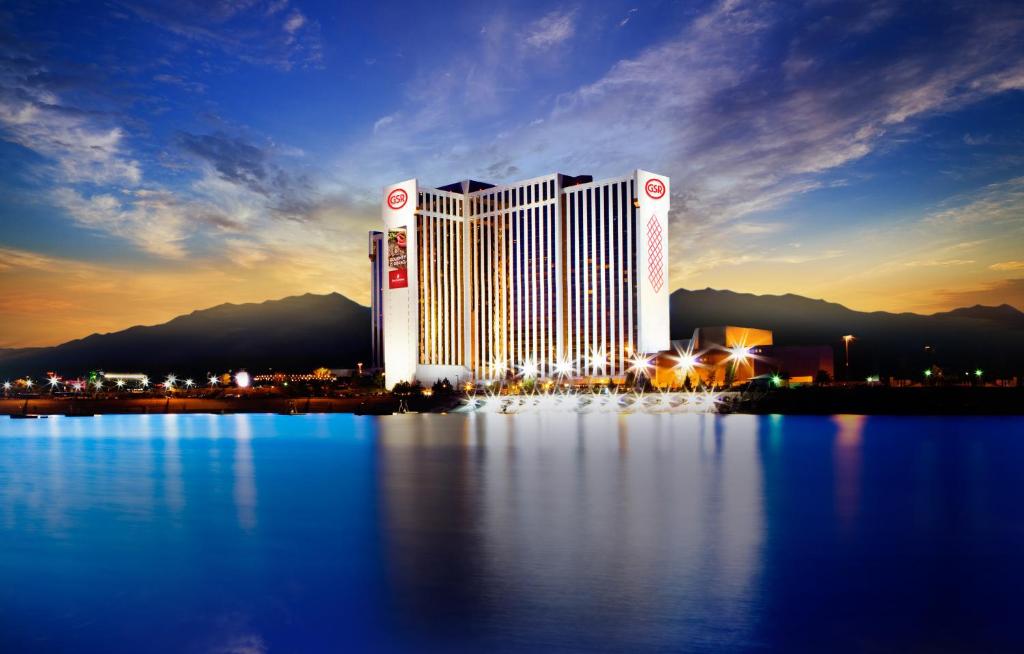
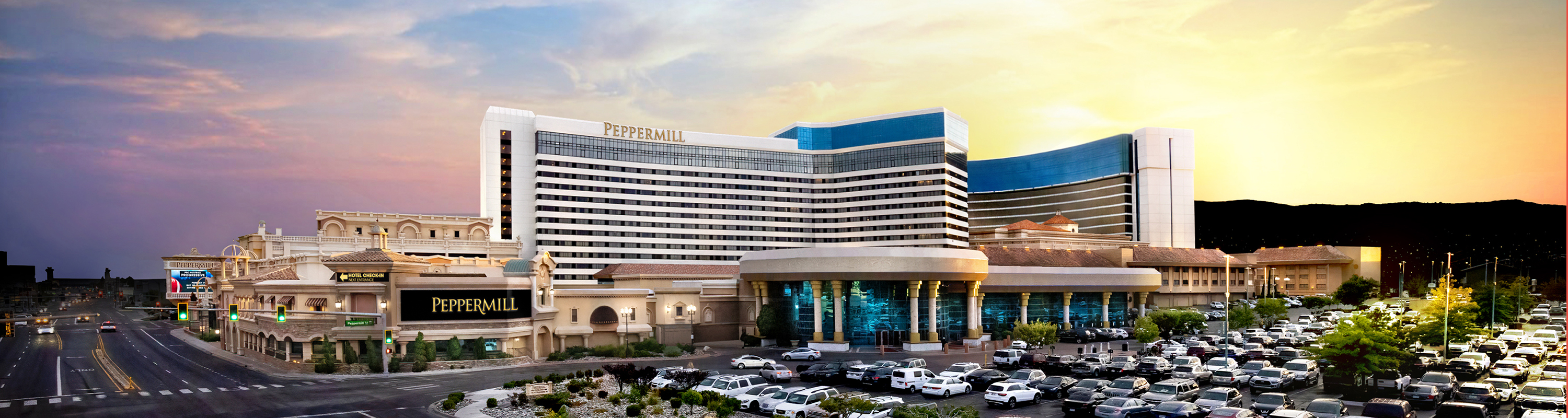
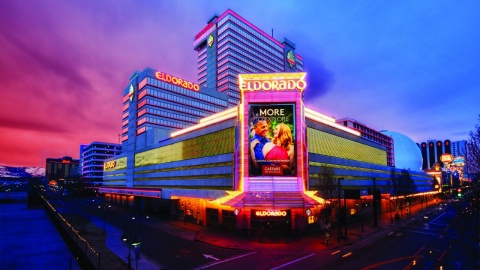
The Grand Sierra Resort is Reno’s largest single property, with a convention center, entertainment venue, and a casino floor that makes it the clear volume leader in the market. The Peppermill Reno has built a reputation for consistent quality across its casino, hotel, and dining operations and draws players who prefer a more polished environment than some of the older downtown properties. The Atlantis casino hotel sits south of downtown and runs a capable casino floor alongside a spa and dining program that makes it a legitimate resort destination. Silver Legacy Reno and the Eldorado Reno are connected to each other and to Circus Circus via enclosed skybridge, forming a downtown casino campus that lets visitors move between properties without going outside.
Reno’s gaming market serves a distinct audience from Las Vegas. A significant portion of its visitors arrive from the San Francisco Bay Area and Sacramento region, making it a regional market rather than a national destination. That dynamic means Reno casinos compete heavily on value, convenience, and the appeal of quick accessibility from Northern California. The city has also developed a secondary identity as a technology and outdoor recreation hub, which has shifted its demographics somewhat and driven investment in non-gaming amenities at the major casino properties.
Reno Casino Resorts
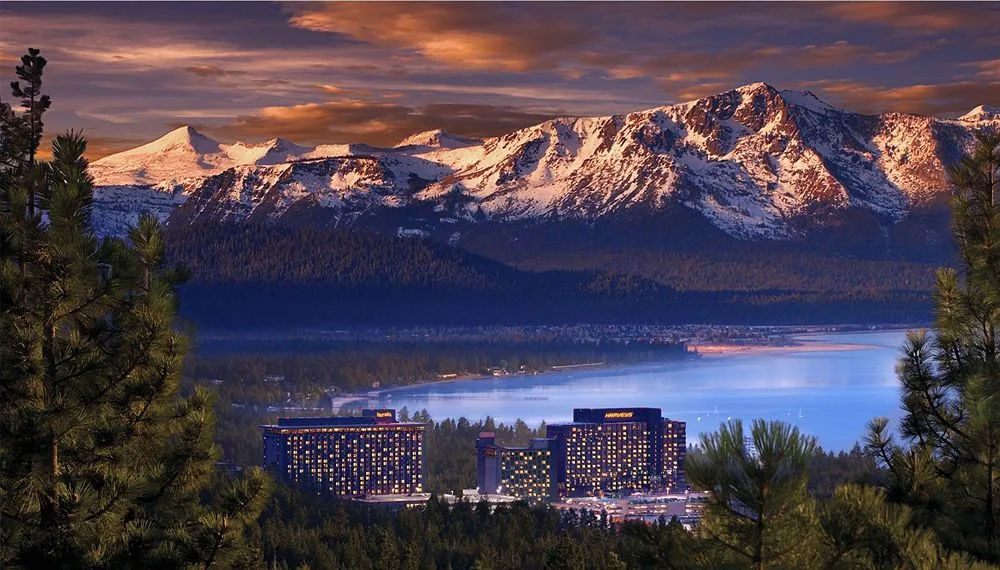
Lake Tahoe sits on the California-Nevada border at approximately 6,200 feet above sea level, and the Nevada side of the lake offers casino gambling against one of the most scenic backdrops available in American gaming. The Nevada casinos cluster at two points: Stateline, at the southern end of the lake in Douglas County, and Crystal Bay, at the northern end in Washoe County.
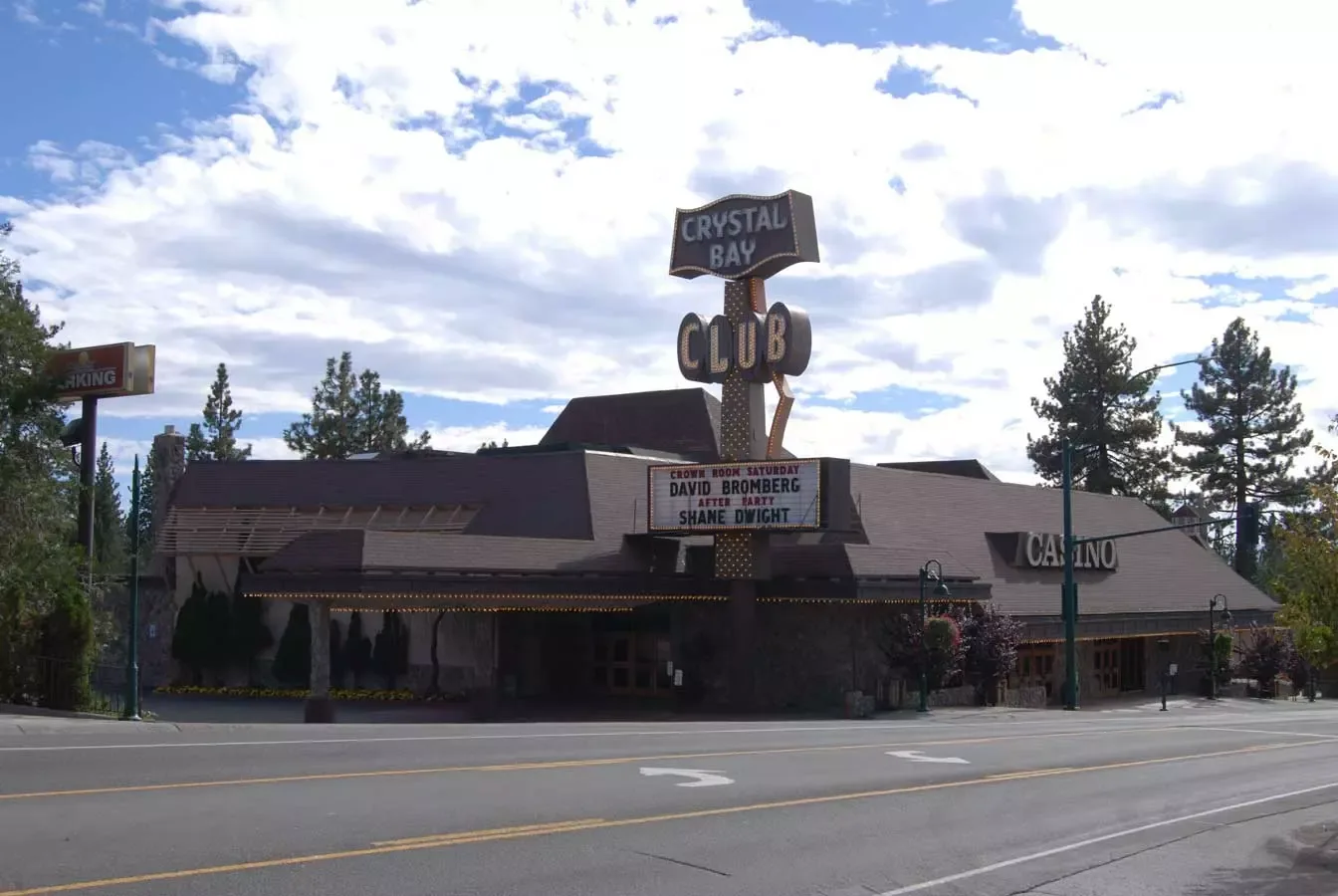
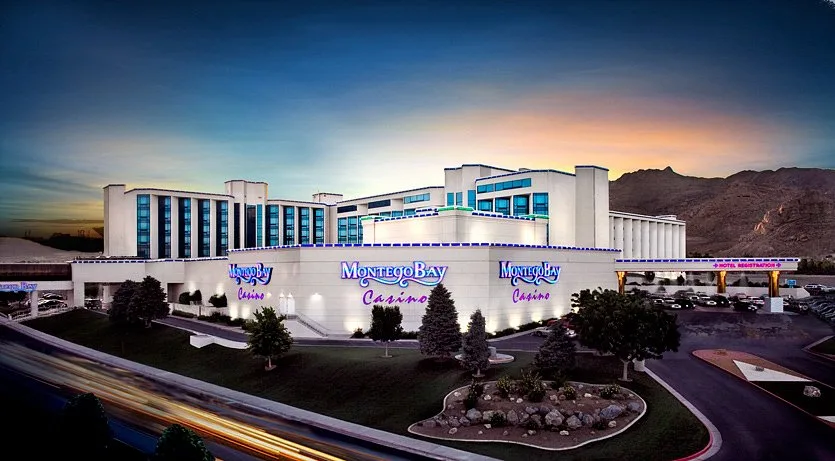
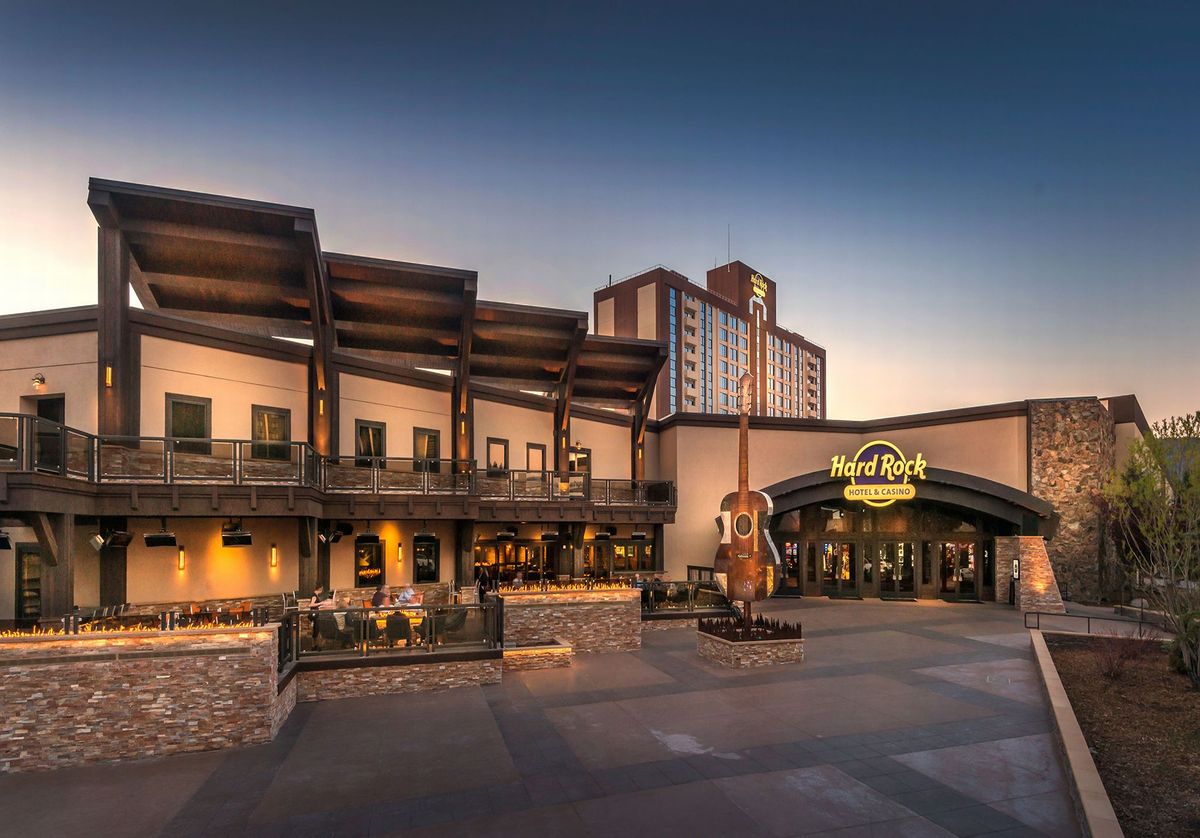
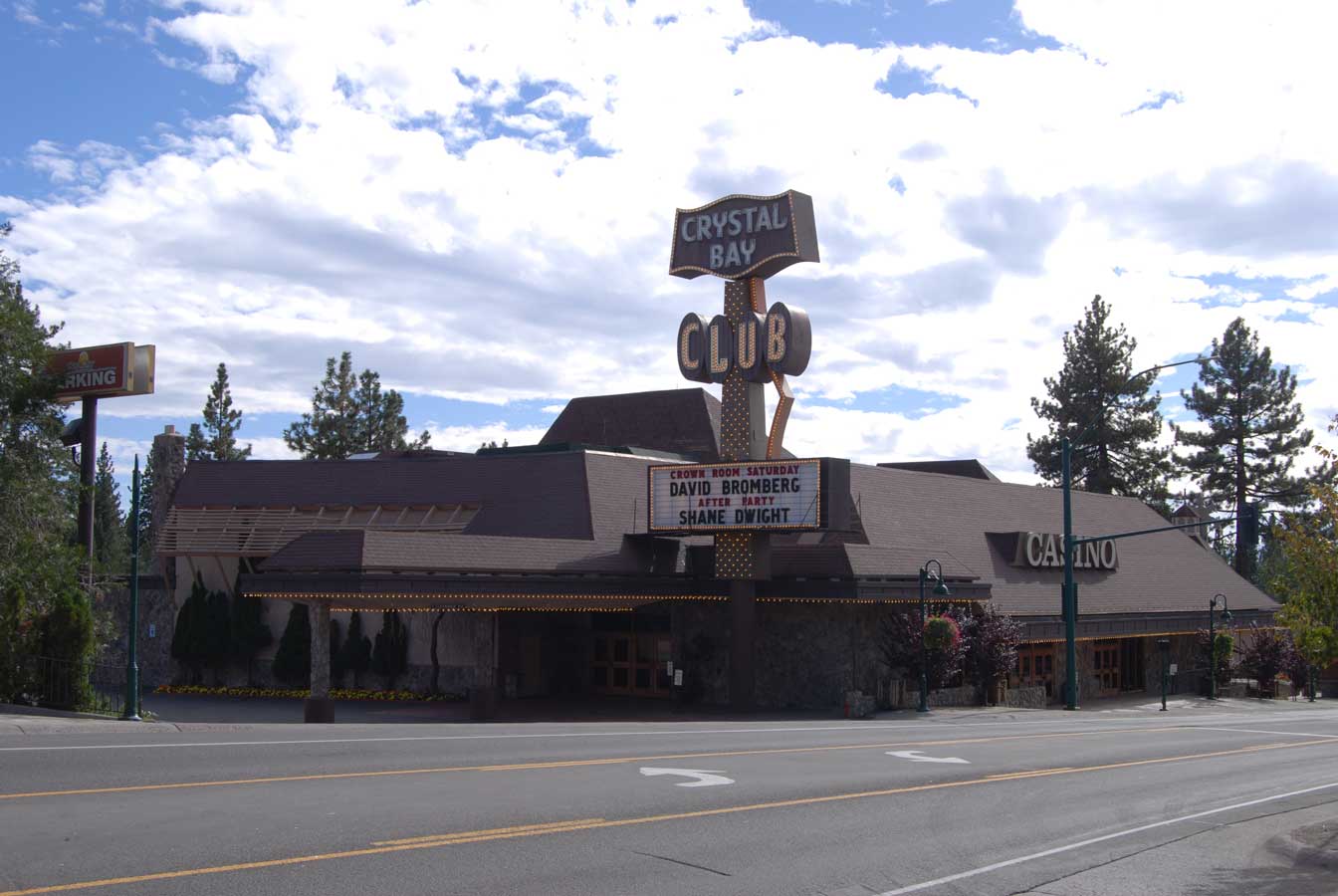
Harrah’s Lake Tahoe and Harveys Lake Tahoe sit adjacent to each other at Stateline and together form the dominant casino presence on the south shore. Both operate as full-service casino resorts with hotel towers, multiple dining options, and gaming floors large enough to offer the full range of table games and slots. Hard Rock Lake Tahoe, formerly Montbleu, occupies a third position at Stateline. The Crystal Bay Club on the north shore is a smaller, historically interesting property that draws visitors looking for a more intimate casino experience in a less resort-intensive environment.
The seasonal dimension of Lake Tahoe gaming is real. Summer months bring visitors for boating, hiking, and beach access, while winter months draw skiers from the Sierra Nevada resorts. The shoulder seasons see thinner crowds, and the casinos adjust promotional activity and table availability accordingly. For players who want to combine casino time with outdoor recreation, Lake Tahoe’s Nevada casinos offer a combination that is genuinely distinct from anything available in Las Vegas or Reno.
Lake Tahoe Casino Resorts
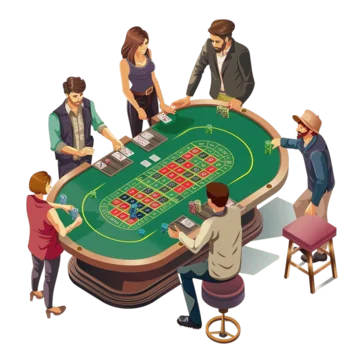
Nevada casinos offer the full range of casino table games, machine games, and poker room formats. The state’s regulatory framework permits all standard casino games, and the competitive market means that game selection at major properties is typically broader than in states with fewer licensed operators.
What's Available · Land-Based
Category 01 · 214 venues
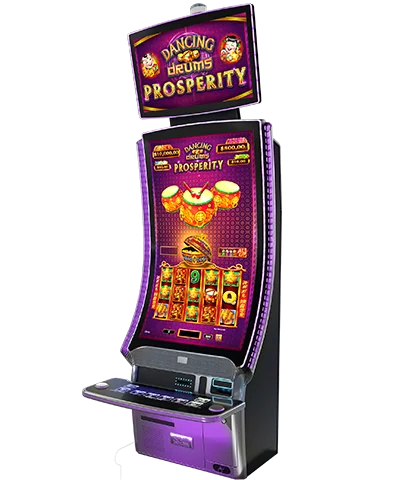
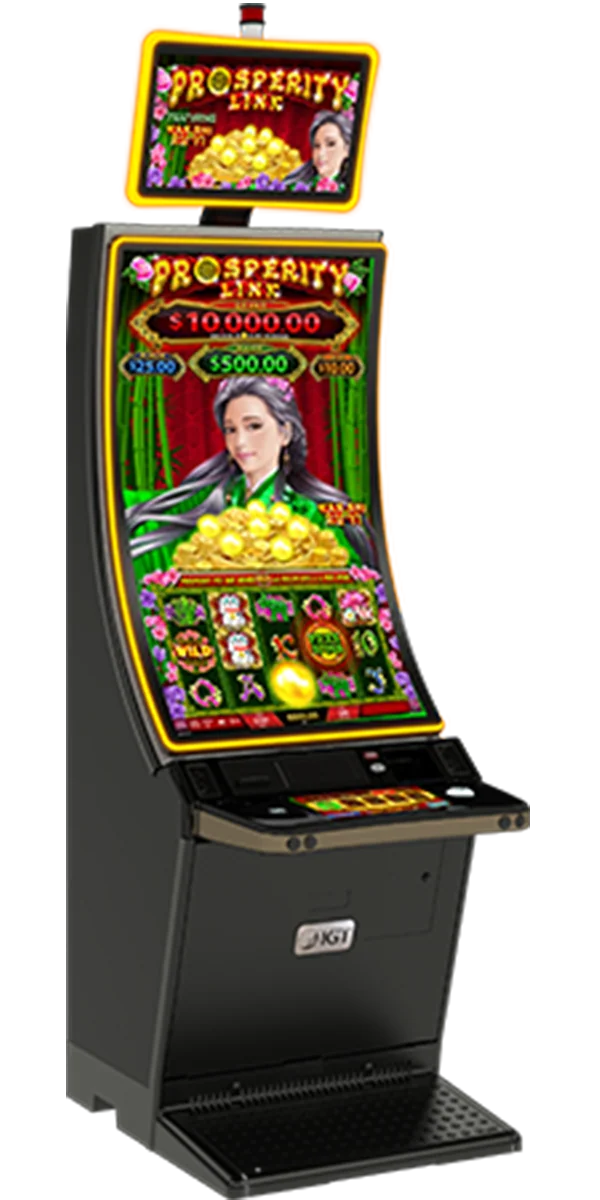
Electronic gaming machines including traditional reels, video slots, and video poker. The most widely available form of land-based gaming.
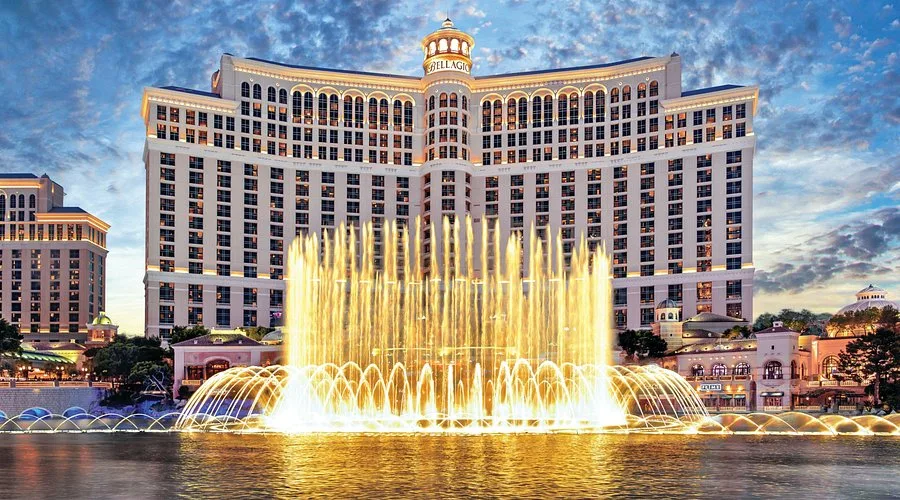
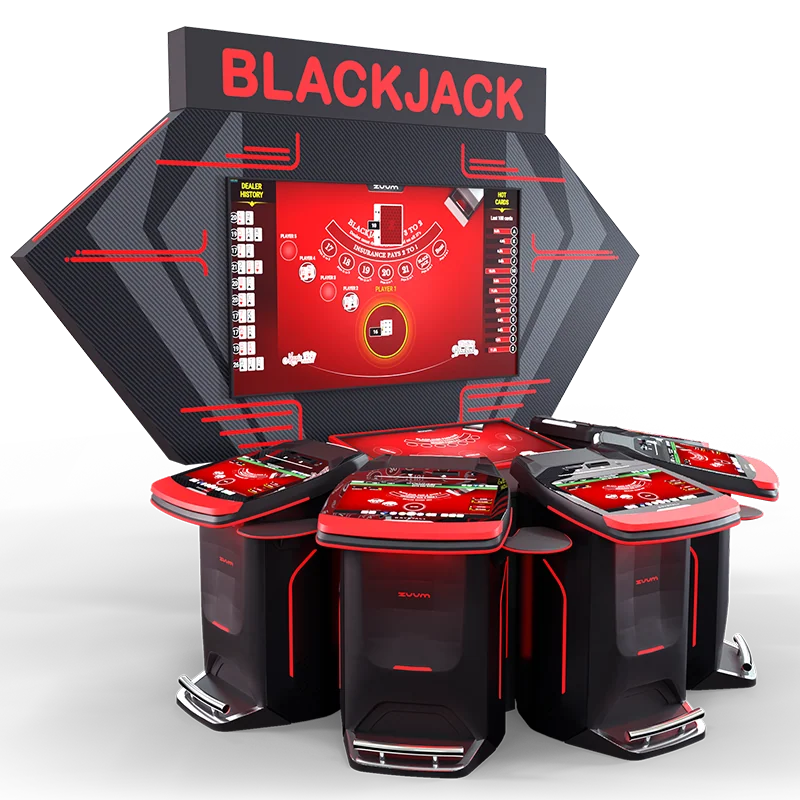
Blackjack conditions in Nevada vary enough to matter. Some Strip properties offer 6:5 payouts on natural blackjack, particularly at lower-denomination tables, which substantially increases the house edge compared to the traditional 3:2. Savvy players seek out 3:2 tables, which are more reliably found at downtown Las Vegas properties and some locals’ casinos. Video poker remains a strength of the Nevada market, with full-pay Deuces Wild, 9/6 Jacks or Better, and other favorable pay tables more accessible here than in most other gaming jurisdictions. Poker rooms at major Strip properties, particularly the Bellagio and Wynn, attract high-stakes action and host regular tournament series that draw players from across the country.

Rachel Mendoza
Editor, California Cardrooms
Bellagio for the full Strip experience
"Visitors who arrive on the Strip with a genuine interest in casino gaming, not just the spectacle of the environment, will find their time best spent at the Bellagio or Wynn. Both properties maintain table limits that attract serious players without excluding recreational visitors at appropriate hours, and both run poker rooms that consistently draw strong fields. The Bellagio's sheer scale means more game variety and more table options during peak hours. Wynn offers a quieter, more resort-oriented atmosphere that some players strongly prefer. Between the two, your choice comes down to whether you want the center of the action or a slightly removed version of it."
Nevada’s gaming regulatory structure is divided between two bodies that operate in sequence. The Nevada Gaming Control Board is the investigative and enforcement arm: it conducts background investigations on license applicants, recommends approval or denial, monitors compliance at licensed properties, and enforces gaming regulations. The Nevada Gaming Commission is the policy-setting body that acts on the Board’s recommendations, issues final licenses, and sets the regulatory rules that govern the industry.
| Regulatory Detail | Nevada |
|---|---|
| Primary Regulator | Nevada Gaming Control Board (NGCB) |
| Policy Body | Nevada Gaming Commission |
| Legal Since | 1931 (first state) |
| Minimum Age (casino) | 21 |
| Minimum Age (lottery/bingo) | 18 |
| Sports Betting | Legal since 1949; mobile format updated September 2020 |
| Online Gambling | Online poker authorized 2013; online casino games not authorized |
| Tribal Gaming | Limited; no major tribal operations on Strip or in Las Vegas |
| Major Markets | Las Vegas Strip, Downtown Las Vegas, Reno, Lake Tahoe, Laughlin |
| Licensing Type | Commercial (state-issued); some tribal compact properties in rural areas |
Nevada does not have a state lottery in the conventional sense. Lottery-style games are not offered by the state, which is an unusual gap for a gaming-heavy jurisdiction, and reflects the political influence of the casino industry on state gaming policy. Sports betting through licensed sportsbooks inside casinos has been a fixture of the Nevada market since 1949, predating the federal prohibition on sports betting in other states by decades.
Nevada’s casino landscape rewards visitors who arrive with some baseline knowledge of how the market works. The following reference covers the practical information most useful for a first visit or a return trip to a new part of the state.
Gambling age: 21 at all casino gaming floors statewide. This is strictly enforced, and minors are not permitted to linger on casino floors even if they are not playing. Lottery and bingo carry a lower age of 18.
Identification: A government-issued photo ID is required for anyone who appears under 30 at most properties. International visitors should carry their passport rather than relying on foreign driver’s licenses, which some properties are less equipped to verify quickly.
Alcohol: Nevada allows casinos to serve complimentary alcohol to players who are actively gambling on the casino floor. The pace of service varies by property and time of day. Tipping the cocktail server is standard practice.
Sports betting: Licensed sportsbooks operate at most major casinos and are open to anyone 21 or older with valid ID. Mobile sports betting is available through licensed operators, and account creation can now be completed remotely without an initial in-person visit to a sportsbook.
Casino etiquette: Nevada casinos do not enforce formal dress codes at most properties. Shirt and shoes are required. Some high-end restaurants within casino resorts have their own dress standards independent of the casino floor. Photography on the casino floor is discouraged or prohibited at most properties, though policies vary.
Tipping: Tipping dealers is common, particularly after a winning hand. The practice is not required but is well-regarded. Cocktail servers, valets, and hotel staff also work within a tipping culture similar to other American hospitality settings.
Getting around Las Vegas: The Strip casinos are further apart than they appear on maps. The distance from Mandalay Bay to the Wynn is approximately four miles on foot, which is more walking than most visitors anticipate. The Las Vegas Monorail connects several Strip properties on the east side of the boulevard. Rideshare services are widely available, and the resort fees charged by most Strip hotels are separate from the room rate, a cost that should be factored into hotel budgeting.
Reno and Lake Tahoe access: Reno-Tahoe International Airport serves the northern Nevada market with direct flights from major West Coast cities. Lake Tahoe is accessible by car from Reno in approximately an hour via Interstate 80 and US 50, depending on destination and season. Winter weather in the Sierra Nevada can affect road conditions significantly, and chains or four-wheel drive may be required at certain times.
🇺🇸 Nevada · 44 cities
77 venues
43 venues
29 venues
19 venues
16 venues
13 venues
13 venues
10 venues
10 venues
9 venues
8 venues
7 venues
7 venues
7 venues
6 venues
6 venues
4 venues
4 venues
4 venues
3 venues
3 venues
3 venues
3 venues
3 venues
2 venues
2 venues
2 venues
2 venues
2 venues
2 venues
2 venues
1 venue
1 venue
1 venue
1 venue
1 venue
1 venue
1 venue
1 venue
1 venue
1 venue
1 venue
1 venue
1 venue