
























































Progressive Pai Gow Poker game icon

poker

Progressive Pai Gow Poker Casinos

Classic Pai Gow Poker with a progressive jackpot side bet that pays escalating prizes on qualifying seven-card hands.

11 US venues offer progressive pai gow poker.

House Edge
Progressive bet ~8-30% (varies by jackpot size and paytable); base game ~2.5-2.8% (banker)
RTP
Base game ~97.2-97.5% (banker); progressive RTP increases as jackpot climbs
Typical Min Bet
$5–$25 minimum on base bet; progressive side bet $1 or $5
Pace
Slow
Category
poker
Beginner-friendly

Casino Directory

Where to play Progressive Pai Gow Poker in the US

Showing 11 of 11 venues

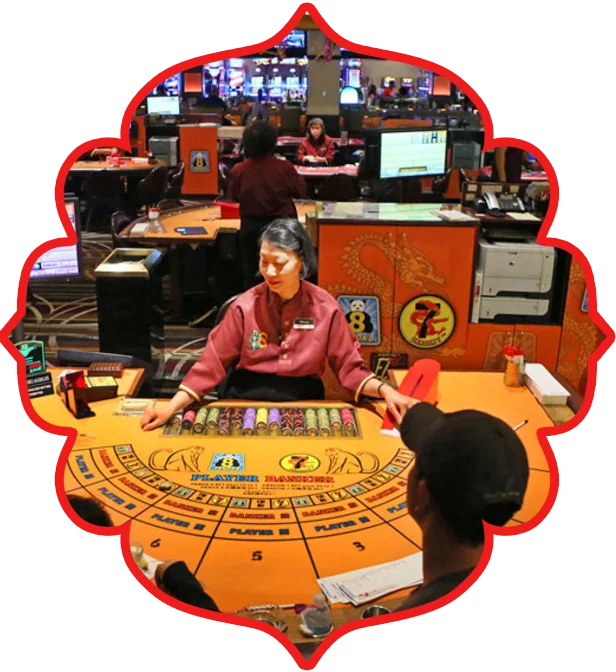
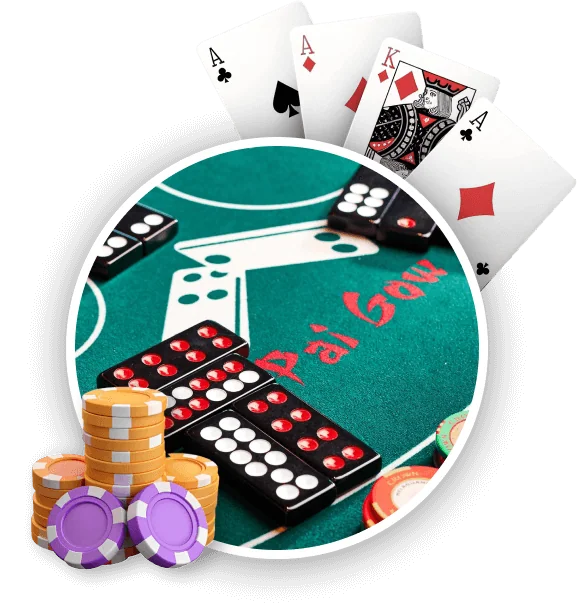
Progressive Pai Gow Poker takes the slow-paced, social card game you know and attaches a linked progressive jackpot to a $1 or $5 optional side wager. Like other progressive table games, a small percentage of each side bet feeds into a growing meter that pays escalating amounts when a player makes a qualifying premium hand — typically a seven-card straight flush, four-of-a-kind, or full house plus, depending on the paytable. Roughly 11 casinos across the United States offer this variant, making it a moderately common find in major gaming destinations. You'll find live tables at most major properties. See our full US casino directory for venue contact details and hours.

Progressive Pai Gow Poker represents the natural evolution of a game that already appeals to players who prefer a relaxed, social table experience. The base game of Pai Gow Poker is known for its slow pace — hands take time to set, pushes are frequent, and a modest buy-in can last for hours. Adding a progressive jackpot layer introduces the possibility of a large payout without disrupting the game's fundamental rhythm, since the progressive bet is independent of the main wager and pays purely on the player's seven-card hand. This variant is available at roughly 11 casinos in our US casino directory, primarily at larger Las Vegas resorts and properties with established Asian gaming sections. The appeal crosses over with Fortune Pai Gow Poker players who already enjoy fixed-odds side bets and want the added excitement of a growing meter. The progressive mechanic is straightforward — a sensor in the betting spot registers your side wager, a fraction goes to the meter, and the jackpot climbs until someone hits a qualifying hand. The hand requirements and payout percentages are always posted prominently at the table, so you know exactly what you need to make before placing a bet.

How to play Progressive Pai Gow Poker

  1. Place your standard Pai Gow Poker ante in the betting circle plus the optional $1 or $5 progressive side bet in the designated spot.

  2. The dealer deals seven cards face-down to each player and the dealer; a 53-card deck is used (standard 52 plus one joker, semi-wild).

  3. Set your seven cards into a two-card low hand and a five-card high hand following the house way or your preferred strategy.

  4. Compare both hands against the dealer — win both to win the main bet, lose both to lose, split to push.

  5. The progressive bet pays regardless of the main game outcome — if your seven-card hand qualifies, you collect the progressive payout.

  6. Qualifying hands and their payouts are posted at the table; the top tier (usually a seven-card natural royal flush) pays 100% of the jackpot meter.

Rules and Payouts

The rules of the base game are identical to standard Pai Gow Poker. The dealer uses a 53-card deck (52 plus one joker); the joker is semi-wild and can complete straights, flushes, or straight flushes, or act as a single ace. Each player receives seven cards and must form a two-card low hand and a five-card high hand, with the five-card hand outranking the two-card hand. If both the player's hands beat the dealer's corresponding hands, the player wins even money minus a 5% commission on the main bet. If both lose, the player forfeits the wager. If only one hand wins, the bet pushes. The progressive side bet pays based on the player's seven-card hand alone and is resolved independently of the dealer. Typical progressive paytables start paying at a full house or higher, with tiered payouts: full house might pay a fixed small amount ($5–$25), four-of-a-kind pays a larger fixed amount ($50–$100), straight flush pays a percentage of the meter (often 10%), and a seven-card natural royal flush pays 100% of the jackpot. Some paytables include an envy bonus for other players at the table when a premium hand hits. The exact qualifying hands, payout percentages, and envy structures vary by progressive network and casino, so always check the posted table rules before sitting down.

  • What hands qualify for the progressive jackpot in Pai Gow Poker?

    Qualifying hands vary by casino and progressive network, but the typical structure includes: full house (fixed small payout), four-of-a-kind (fixed medium payout), straight flush (percentage of the meter, often 10-15%), and seven-card natural royal flush (100% of the meter). Some paytables also include a five-ace hand (four aces plus the joker) at a meaningful percentage tier. Always check the posted paytable at the specific table you are playing.

Editorial Strategy

Strategy & etiquette for Progressive Pai Gow Poker

  • Focus on optimal main-bet strategy first — the progressive side bet does not affect how you should split your Pai Gow hands.

  • Treat the progressive wager as a lottery ticket; the house edge is high at typical meter levels, so budget accordingly.

  • Only consider playing the progressive when the jackpot has climbed significantly above its reseed (starting) amount.

  • At a full table (six players), the cumulative probability of a progressive hit increases, marginally improving your per-dollar expected return.

  • Study the posted paytable — progressive tiers vary widely, and some casinos offer much better payout structures than others.

  • Avoid the progressive if you are playing on a tight bankroll; the base Pai Gow Poker game alone has a low house edge.

Where to play in the US

Top land-based casinos to play Progressive Pai Gow Poker

Editorial picks for visitors who want a real-floor Progressive Pai Gow Poker session. Ranked by directory depth (table counts, amenities, and floor quality). Tap any card for the full property review.

  1. #1Casinos
    Editor's pick
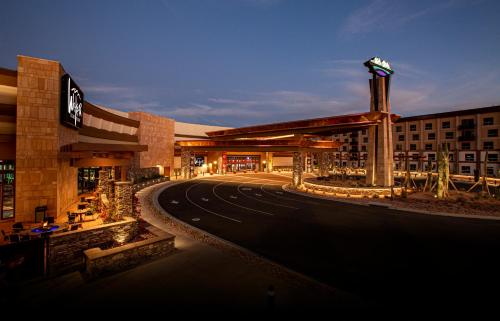
    Talking Stick Resort — scottsdale

    Talking Stick Resort

    Scottsdale, Arizona

    800 slots · 50 tables · 47 poker tables · 24/7

    Selection68
    Value65
    Experience100

    Games available

    • 3 Card Poker
    • Blackjack
    • Casino War

    Property

    • Golf
    • Open 24 7
    • Pool
    Rate for Progressive Pai Gow Poker0 votes

    Your vote is saved to this browser only.

  2. #2Casinos
    Stay & play
    MotorCity Casino Hotel — detroit

    MotorCity Casino Hotel

    Detroit, Michigan

    2,700 slots · 59 tables · 17 poker tables · 24/7

    Selection91
    Value57
    Experience100

    Games available

    • 3 Card Poker
    • Blackjack
    • Casino War

    Property

    • Open 24 7
    • Resort
    • Restaurant
    Rate for Progressive Pai Gow Poker0 votes

    Your vote is saved to this browser only.

  3. #3Racinos
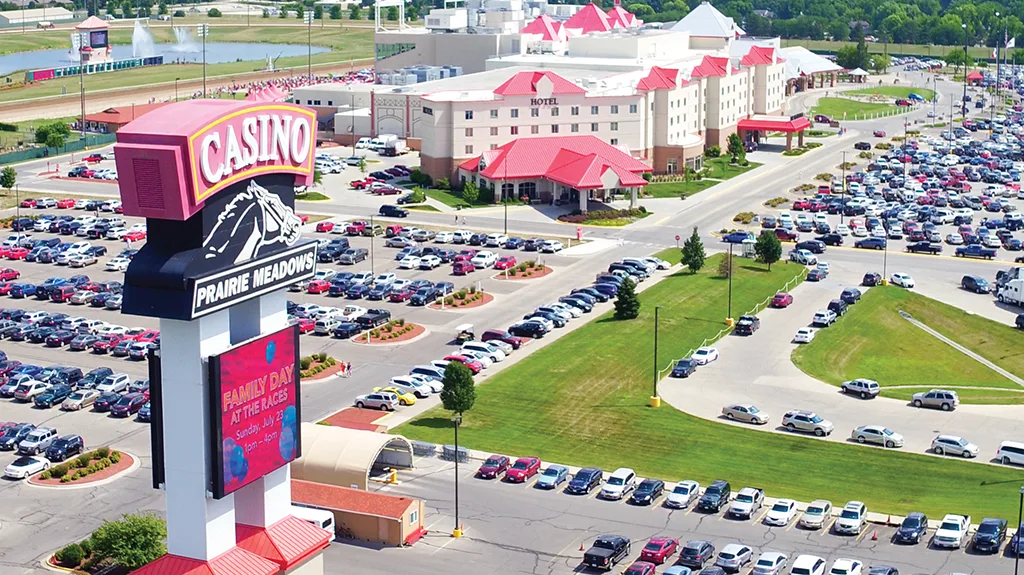
    Prairie Meadows — altoona

    Prairie Meadows

    Altoona, Iowa

    2,000 slots · 44 tables · 11 poker tables · 24/7

    Selection88
    Value65
    Experience100

    Games available

    • 213
    • 3 Card Poker
    • Blackjack

    Property

    • Buffet
    • Open 24 7
    • Restaurant
    Rate for Progressive Pai Gow Poker0 votes

    Your vote is saved to this browser only.

Rankings reflect directory data depth (floor counts, game variety, amenity tags) re-verified quarterly. They are not a substitute for current operating status; confirm hours and game spread directly with each casino before visiting.

Strategy

Your Pai Gow Poker setting strategy should remain consistent whether or not you are playing the progressive. Use the house way, which is the mathematically optimal method most casinos share freely, or a simplified setting strategy if you are new to the game. On the main bet, the house edge is roughly 2.5–2.8% when you are not banking, making it one of the better bets in the casino floor. The progressive side bet, however, carries a substantially higher house edge — often 10% or more at typical jackpot levels — because most of the payback is concentrated in the top jackpot tier that hits very rarely. The break-even point for the progressive bet depends on the specific paytable and the size of the fixed lower-tier payouts, but as a general rule, the jackpot needs to be at least 1.5–2x the reseed amount before the overall expected return becomes reasonable. Envy bonuses, when offered, improve the value proposition at full tables. If you enjoy the social energy of a table that erupts when a jackpot hits and you have the bankroll to absorb the side-bet cost, the progressive adds entertainment value — just recognize that mathematically, you are paying for that entertainment.

Common Progressive Pai Gow Poker variants

Where to Play

Progressive Pai Gow Poker is found at approximately 11 casinos across the United States. The highest concentration is on the Las Vegas Strip, where large resorts with robust table games pits are most likely to offer the game. Look for it in Asian gaming salons and high-limit rooms, where Pai Gow tables are traditionally clustered. Some properties link their progressive meters across a network of sister casinos, creating jackpots that grow faster and reach higher amounts than a single-table standalone progressive. Regional markets with substantial table games offerings — such as Atlantic City, Connecticut, and Southern California tribal casinos — may also carry the game, though availability varies. Use our US casino directory to locate venues near you, and always call the casino directly to confirm they are currently running a progressive Pai Gow table and to check the current jackpot level. For players who love the base game and want an occasional shot at a six-figure payout without switching to a completely different table game, Progressive Pai Gow Poker is a natural fit.

  • Do I need to win the main Pai Gow hand to collect the progressive payout?

    No, the progressive side bet is resolved independently of the main Pai Gow Poker hand. Your seven-card hand is evaluated on its own merit against the posted progressive paytable. Even if you lose the main bet to the dealer on both the high and low hands, you still collect your progressive payout if your seven cards qualify for a tier on the paytable.

Search