




















StatesCasinos Editorial Team Reviewed by StatesCasinos Editorial Team · Updated
★ South Dakota Casinos · 2026 Guide

South Dakota Casinos

Complete Land-Based Gaming Guide · 2026

Two distinct legal gaming systems: a historic downtown district in the Black Hills where nearly every building is a casino, and tribal resort properties spread across reservations statewide.

South Dakota offers 38 land-based casino venues across 10 cities — from federally regulated tribal properties to commercial card rooms, racinos, and casino cruises. StatesCasinos tracks every legal gaming venue in the state with verified addresses, available games, and on-site amenities.

This guide covers the full scope of land-based gambling in South Dakota: the legal framework, every tribal and commercial venue, available game categories, regulatory authorities, minimum gambling age, and the closest full-service casinos across state lines for residents seeking a broader gaming experience.

⚖️ Legal & Age: Land-based gambling in South Dakota operates under a mix of federal tribal gaming compacts, state racing commission licensing, and (in some states) commercial casino regulation. Minimum gambling age and venue rules vary — verify on-site before play. Gamble responsibly. 18+ at most tribal venues, 21+ at full-service casino properties.

South Dakota Land-Based Gaming at a Glance

38

Total Venues

10

Cities with Gaming

14

Open 24/7

6

With Poker Room

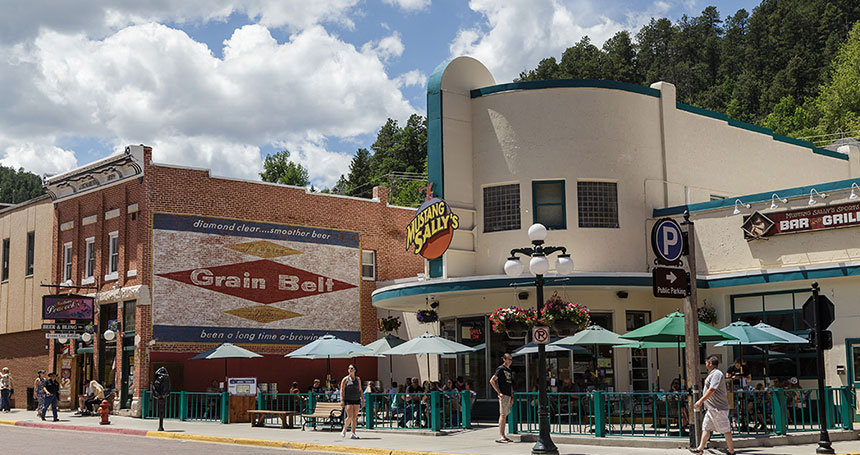
South Dakota’s legal gaming landscape is defined by a contrast that few states can match. In the western Black Hills, the small historic city of Deadwood operates as an entire downtown gaming district, where converted saloons, hotels, and storefronts from the nineteenth century now house slot machines and card tables. A few hundred miles to the east, northeast, and south, tribal casino resorts operated by the Sioux tribes of the Great Plains serve reservation communities and travelers passing through sparsely populated stretches of the state.

The two systems operate under entirely separate legal frameworks and serve different visitor profiles. Deadwood is a commercial, state-regulated gaming district created by a 1989 voter referendum that tied casino revenue to the historic preservation of the town. The South Dakota Commission on Gaming licenses and regulates Deadwood establishments. Tribal casinos operate under the Indian Gaming Regulatory Act, with gaming compacts negotiated individually between the state and each tribe and overseen by the National Indian Gaming Commission.

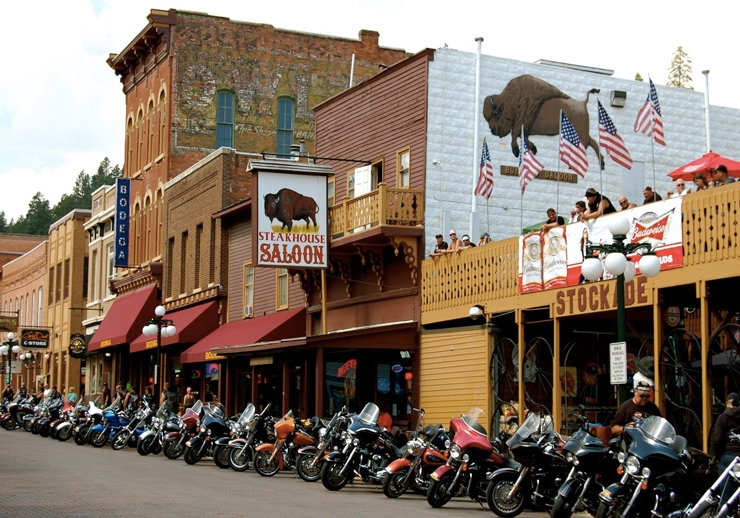
Visitors planning a Black Hills trip will encounter gaming at almost every turn in Deadwood. The town is compact enough that walking between properties takes minutes, and the small-casino atmosphere of converted historic buildings is genuinely different from the resort-floor experience found in Las Vegas or the Midwest’s riverboat markets. Visitors to rural South Dakota, particularly in the central and eastern parts of the state, will find the tribal properties: full-service resorts that serve as regional entertainment hubs with hotels, dining, and gaming floors.

Sports betting became available at Deadwood properties in 2021 following a 2020 ballot measure. Online casino gaming is not authorized in South Dakota as of 2026.

Deadwood: South Dakota’s Historic Gaming District

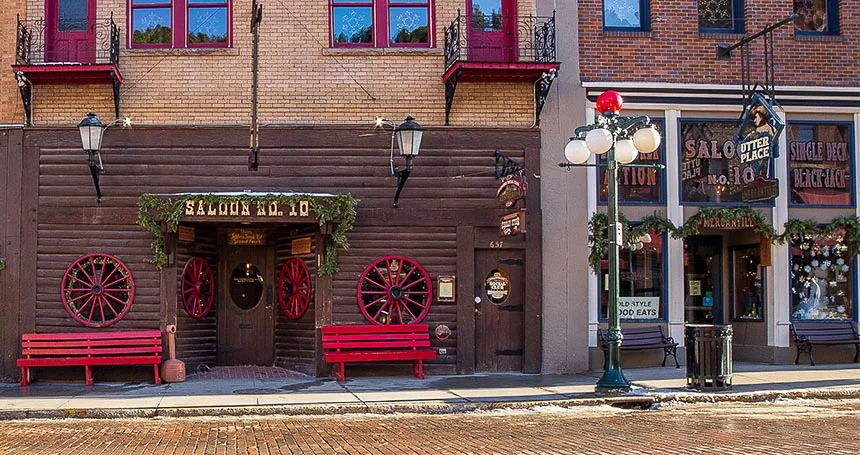
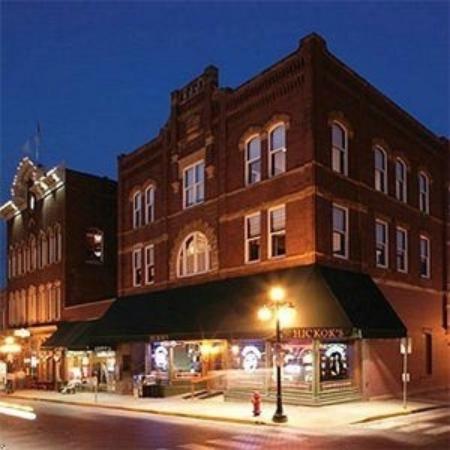
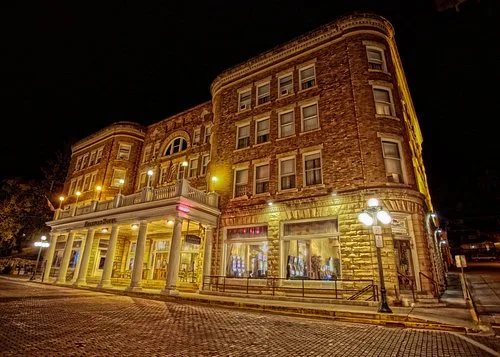
Deadwood is unlike any other gaming market in the United States. The entire downtown of a small historic city, a place with genuine Wild West history including the graves of Wild Bill Hickok and Calamity Jane, functions as a distributed casino district. Voters approved gaming in 1989 as a mechanism to fund preservation of buildings that had fallen into disrepair. The revenue model worked: gaming taxes flow to a historic preservation fund that has supported significant restoration of the town’s nineteenth-century architecture.

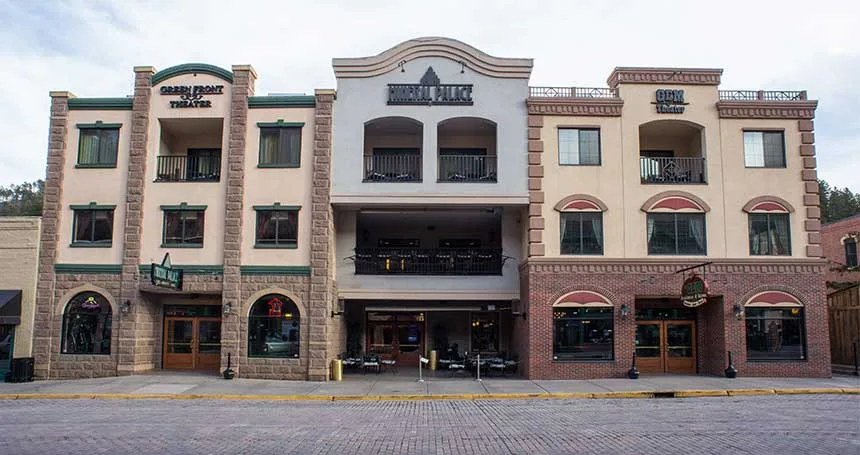
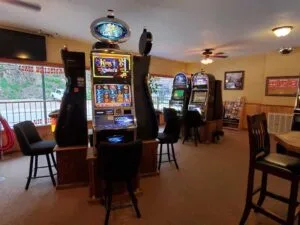
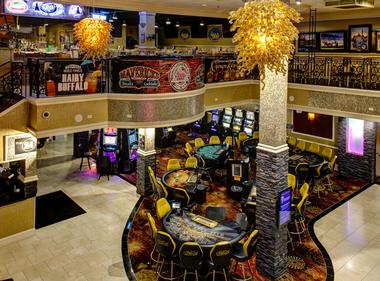
The physical format of Deadwood gaming reflects the buildings themselves. Most properties occupy two, three, or four stories of a historic structure, with a gaming floor on the ground level and hotel rooms, restaurants, or entertainment space above. The slot counts at individual properties are often modest by conventional casino standards. What Deadwood offers instead is density: a visitor can walk from one property to the next down Main Street, moving through a succession of gaming floors, each with its own character, all within a few blocks.

The permitted bet limit began at $5 in 1989, a figure designed to keep gaming small-scale and preserve the character of the town. The state legislature has raised those limits over subsequent decades, and the current maximum single bet stands at $1,000. The game mix at Deadwood includes slots, blackjack, three-card poker, and other card game variants approved by the South Dakota Gaming Commission. Sports wagering kiosks arrived at several Deadwood properties in 2021.

The minimum age for gambling in Deadwood is 21. The city attracts significant Black Hills tourist traffic in the summer months, with visitors combining gaming with visits to Mount Rushmore, the Crazy Horse Memorial, Custer State Park, and the surrounding mountain scenery. The gaming season runs year-round, but summer is peak visitation.

Deadwood historic gaming district properties

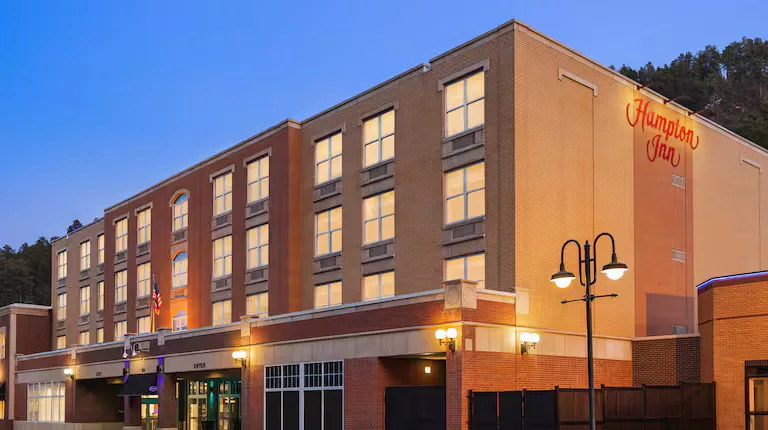
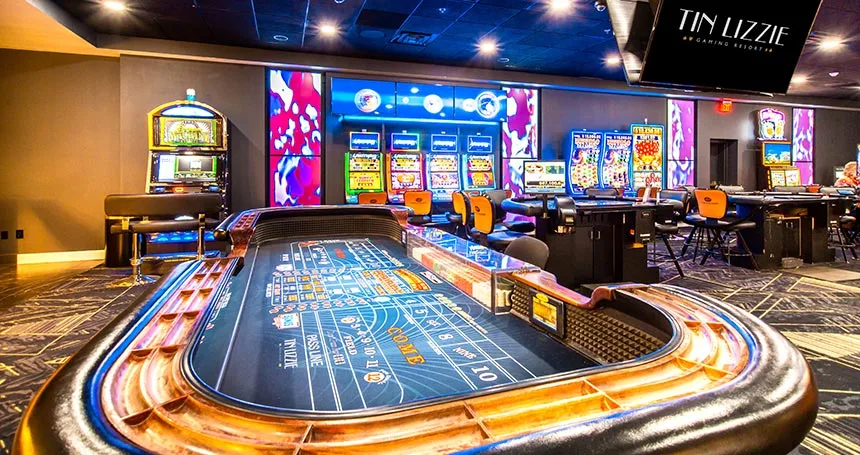
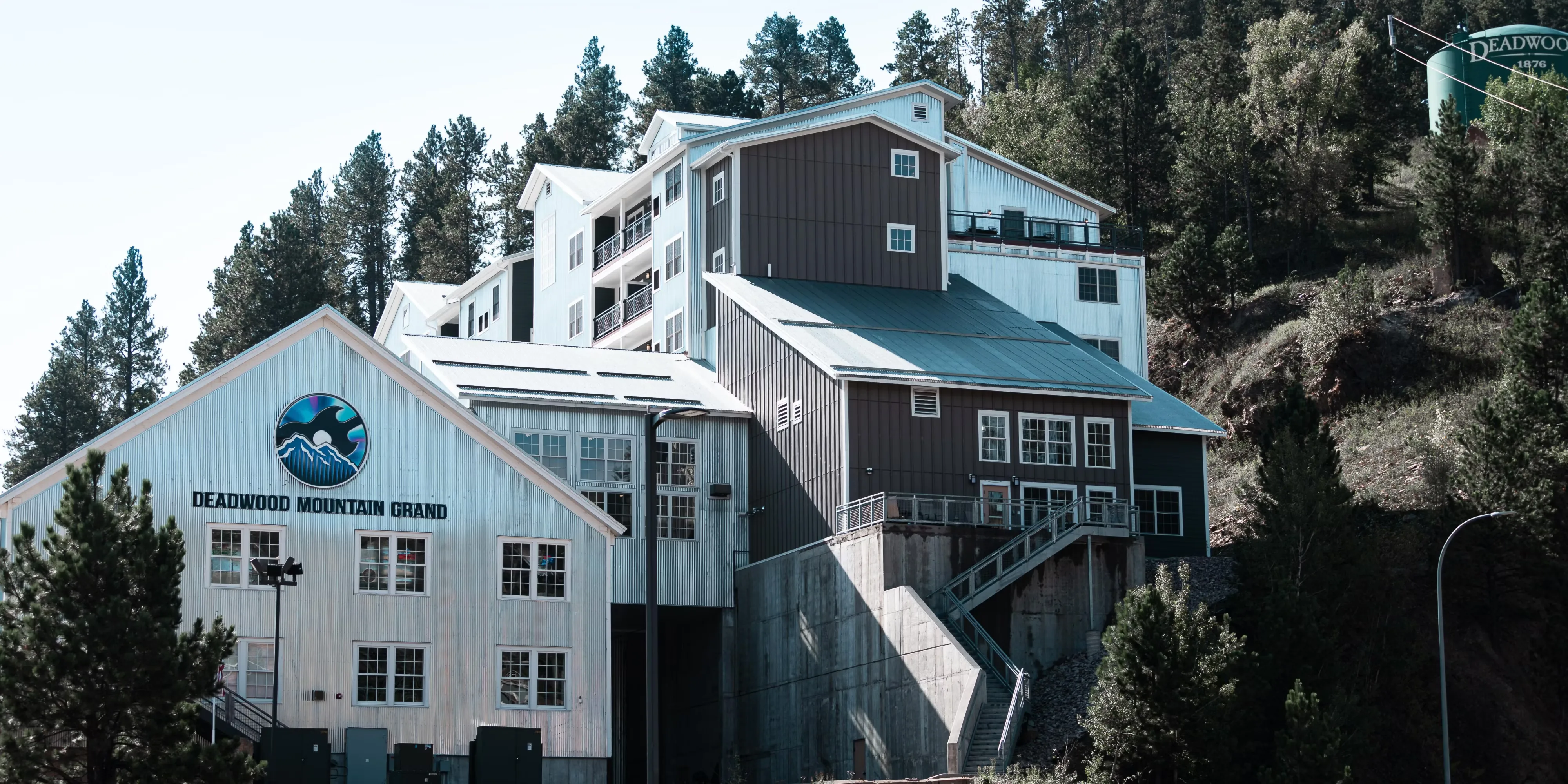
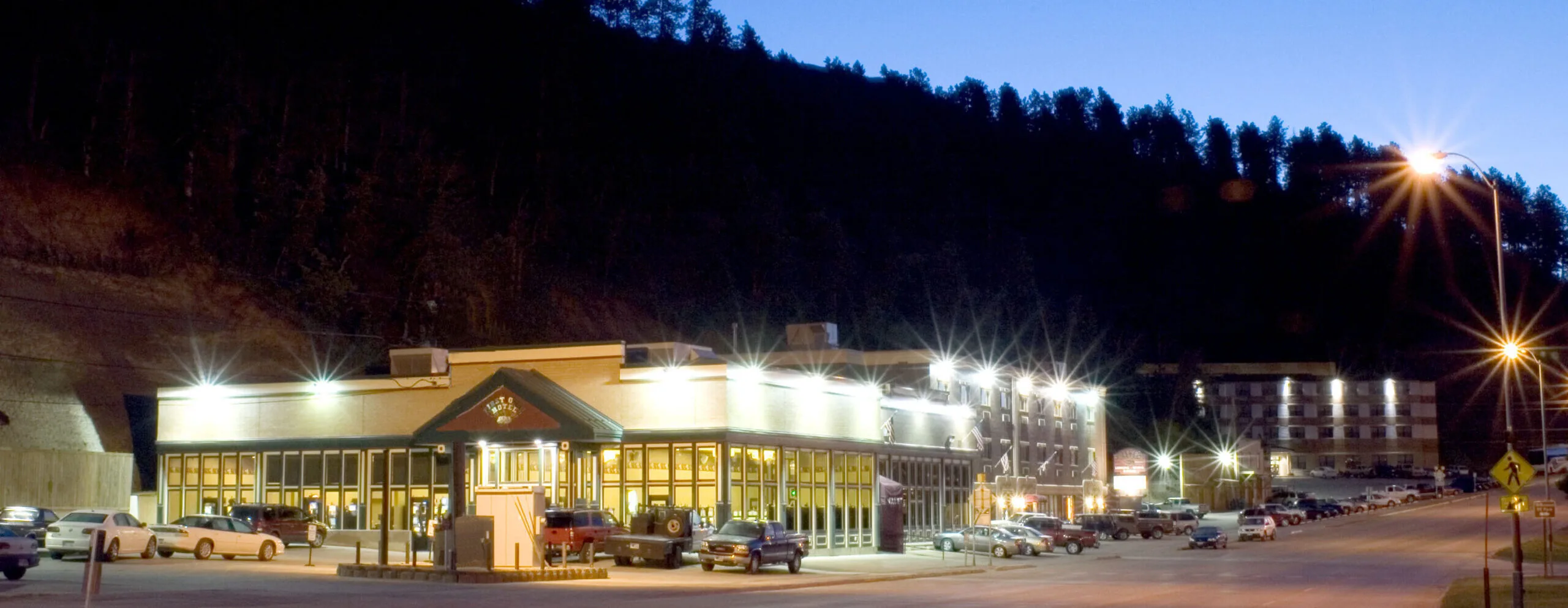
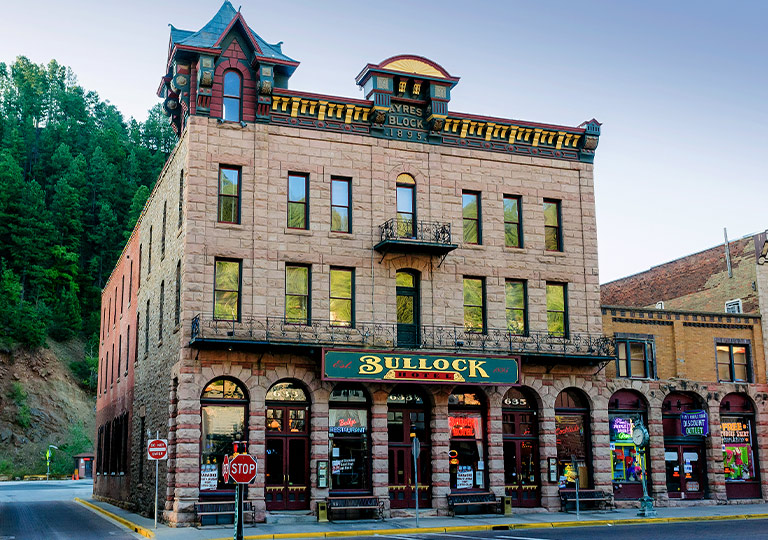
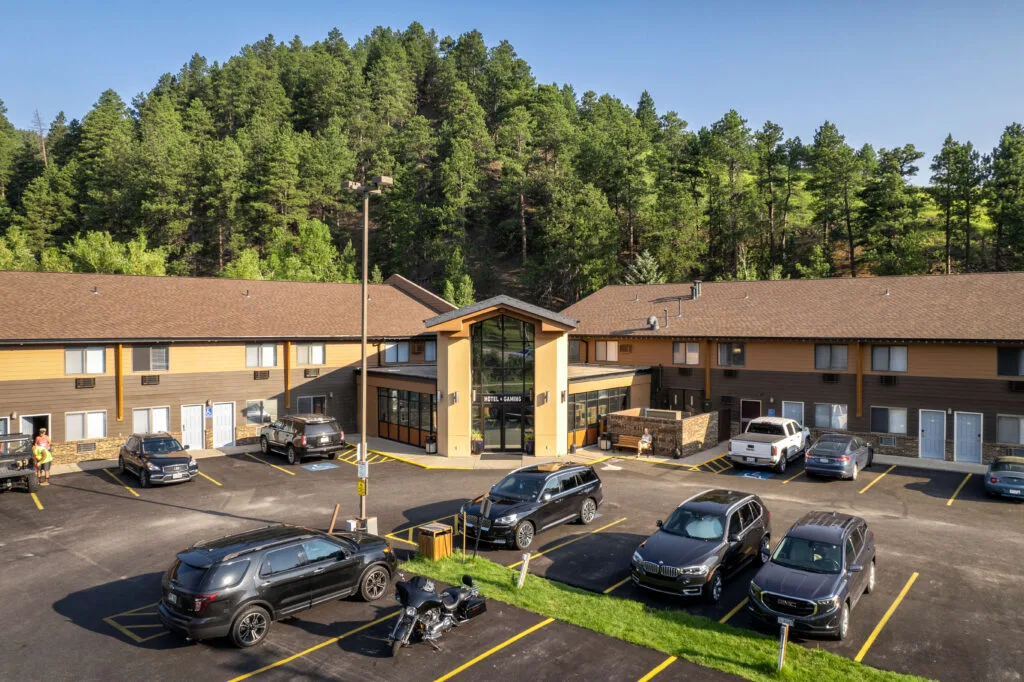
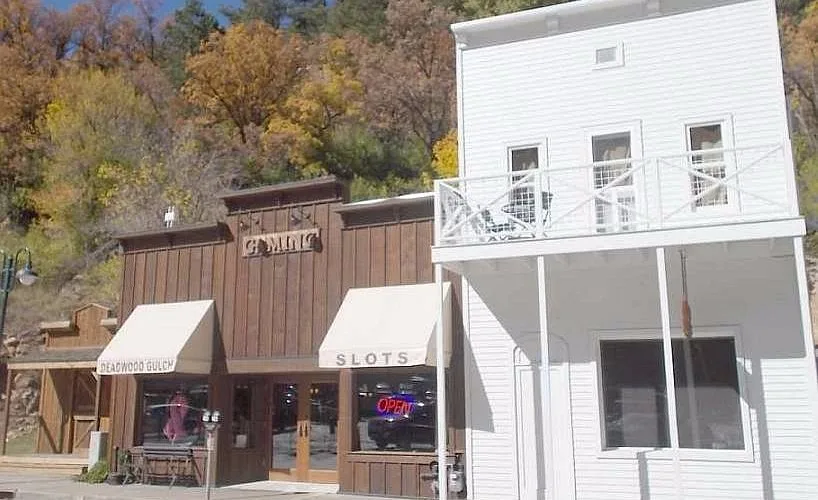
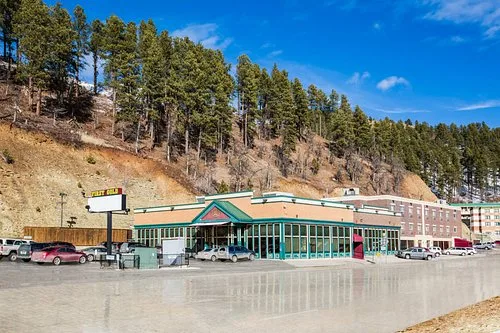
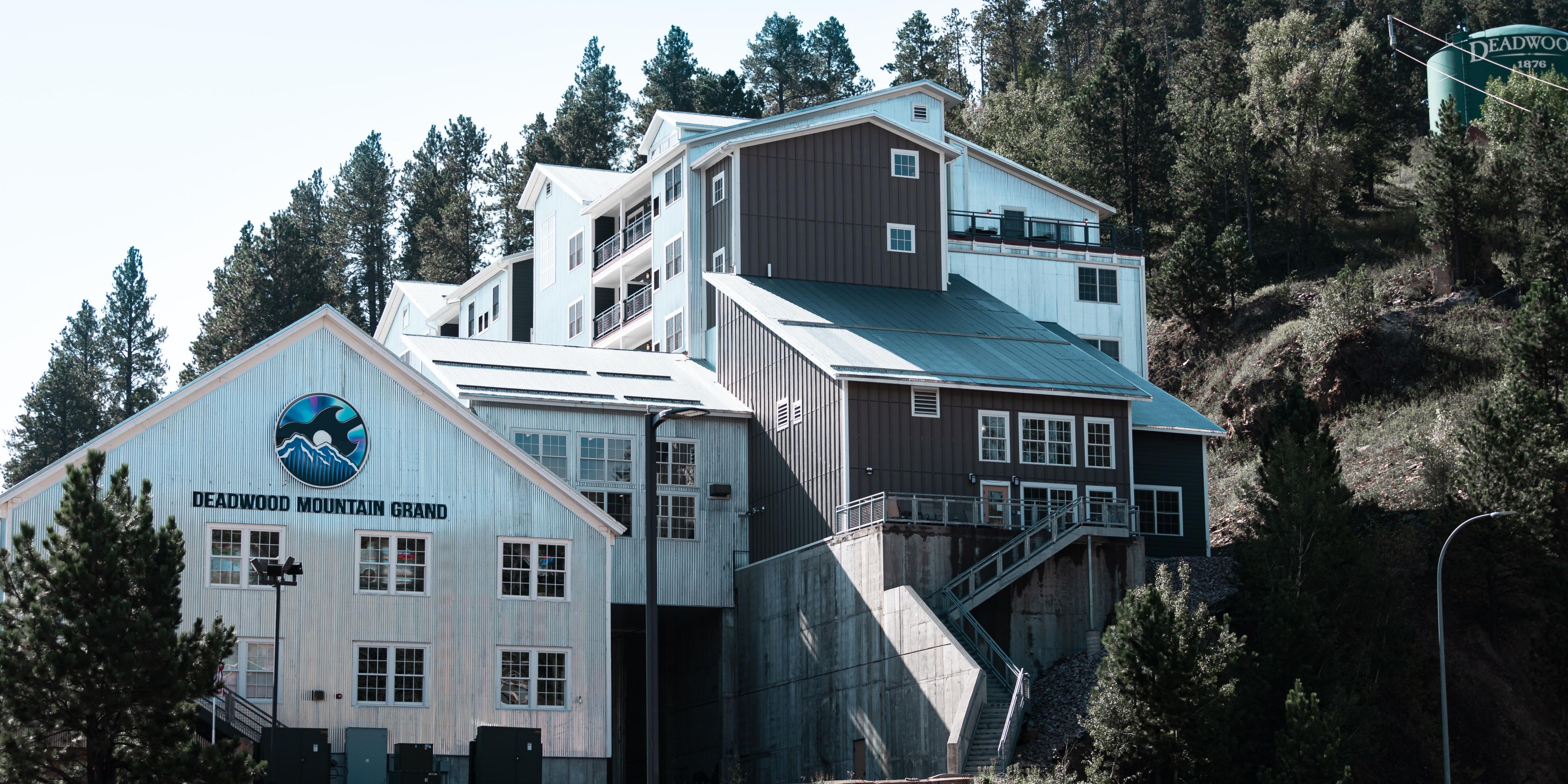
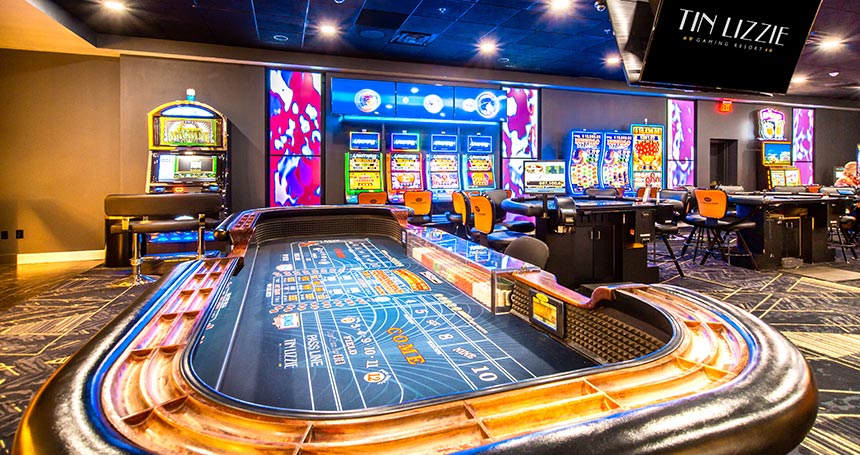
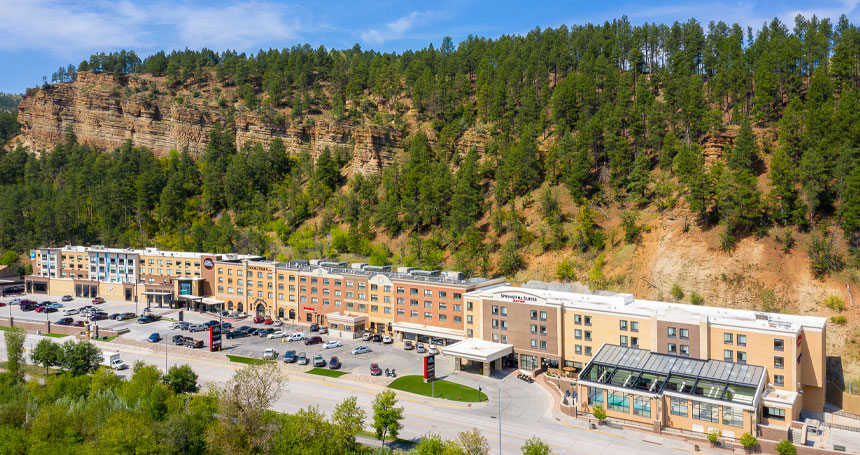
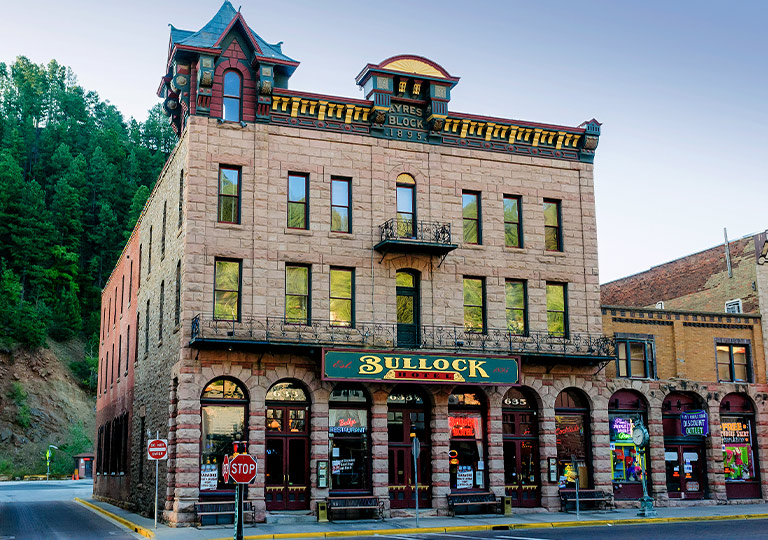
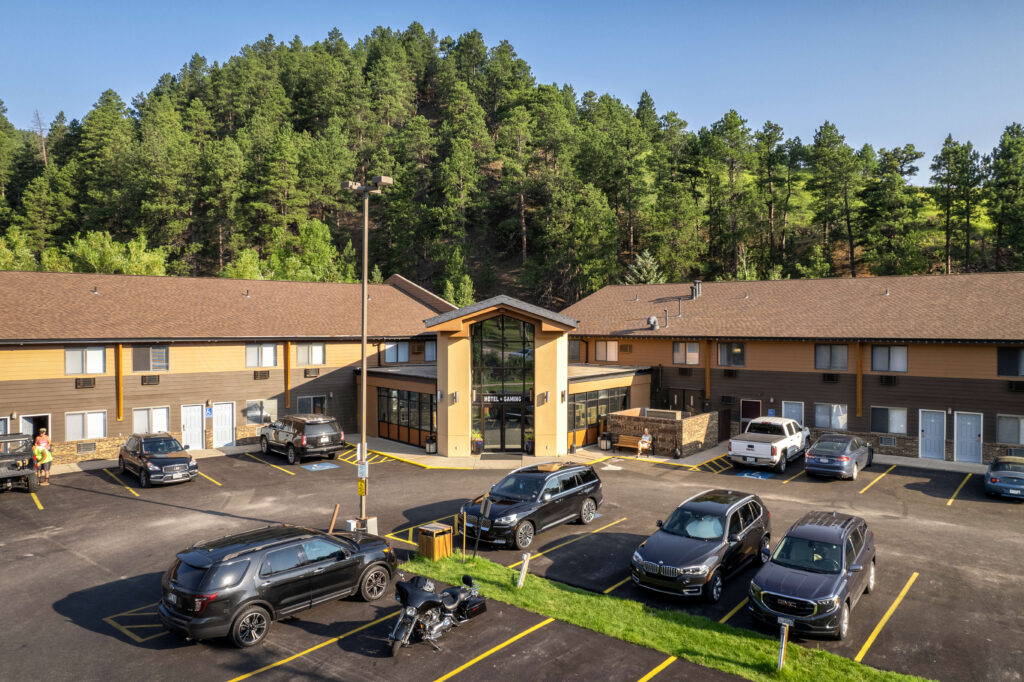
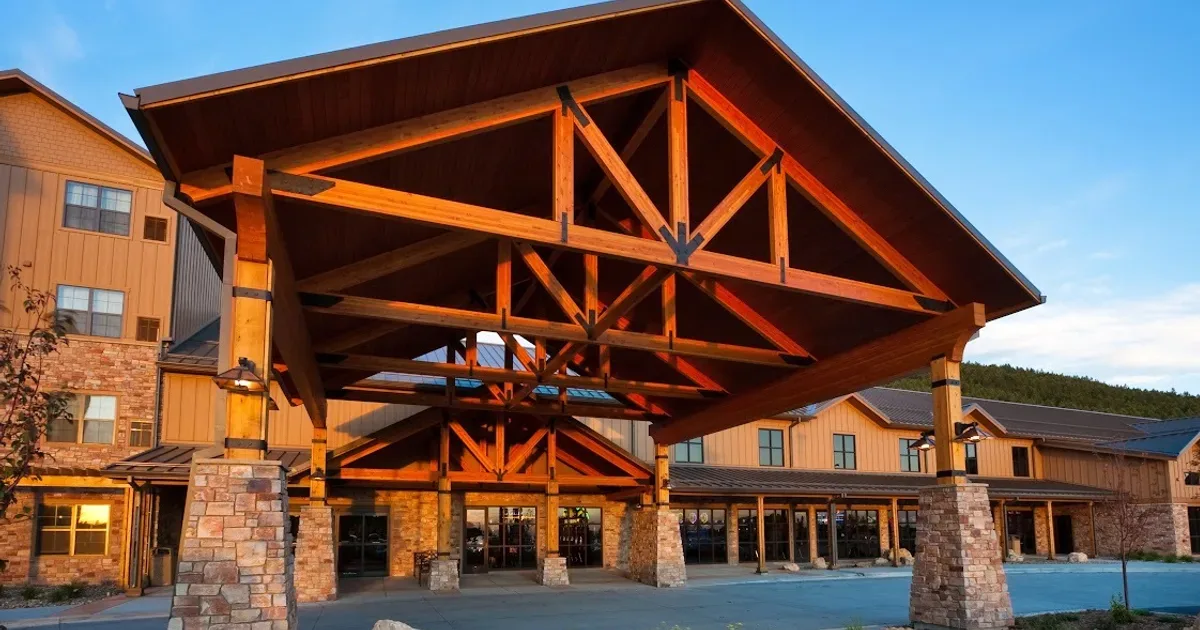
Tin Lizzie Gaming Resort and Cadillac Jack’s Gaming Resort are two of the more established midsize Deadwood properties, each offering a gaming floor with slots and table games, hotel accommodations, and dining options for visitors who want something between the full-resort scale of Deadwood Mountain Grand and the intimate boutique feel of the smaller historic properties. Historic Bullock Hotel takes the opposite approach: the original building constructed by Deadwood’s first sheriff, Seth Bullock, now operates as a boutique gaming hotel where the historic character of the structure is the primary draw. Deadwood Gulch Gaming Resort and Gold Dust Gaming and Entertainment Complex round out the mid-tier Deadwood market with gaming floors, food service, and hotel or motel-style accommodations.

Tribal Casino Resorts Across South Dakota

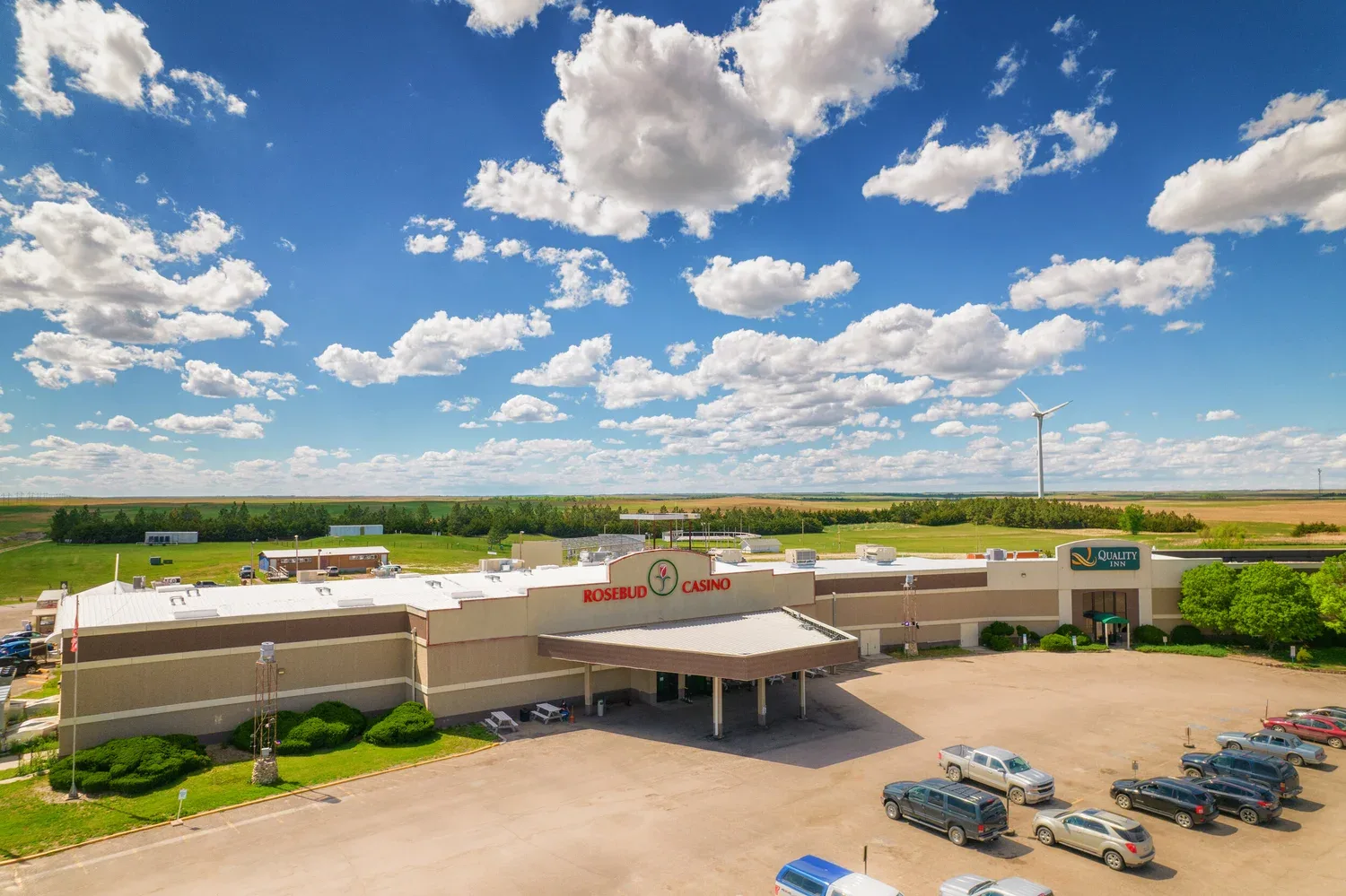
South Dakota is home to nine federally recognized tribes, and several operate casino resort properties under Indian Gaming Regulatory Act compacts negotiated with the state. These properties are spread across a large geographic area, from the southeastern corner of the state near the Nebraska border to the Standing Rock Reservation straddling the North Dakota line in the north, to the Pine Ridge and Rosebud areas in the southwest and south-central regions.

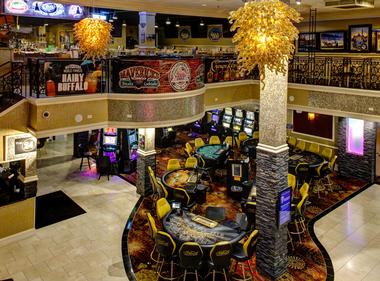
Tribal casinos in South Dakota generally set the minimum gambling age at 18, which differs from the 21-plus threshold at Deadwood commercial properties. The game mix at South Dakota tribal casinos includes slots, blackjack, poker, and table game variants. Hotel accommodations, dining, and entertainment facilities vary considerably by property, ranging from full resort complexes to more focused gaming-and-dining destinations.

The rural locations of most South Dakota tribal casinos mean they serve as significant regional entertainment anchors. For communities and travelers in areas with few other hospitality options, the tribal resort property is often the primary destination for dining out, live entertainment, and overnight stays. Many properties have built out their amenity offerings over time to reflect this role.

South Dakota tribal casino resorts

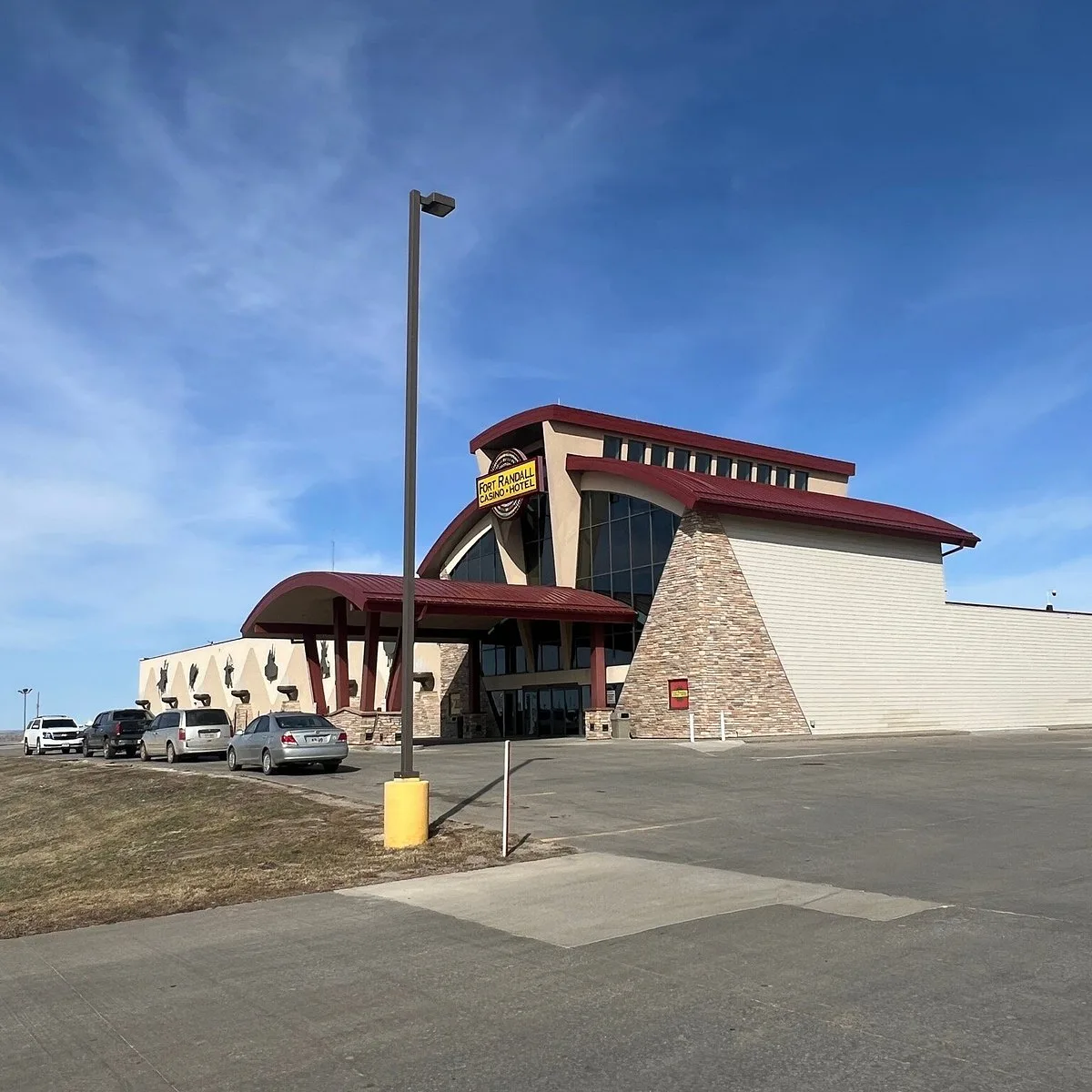
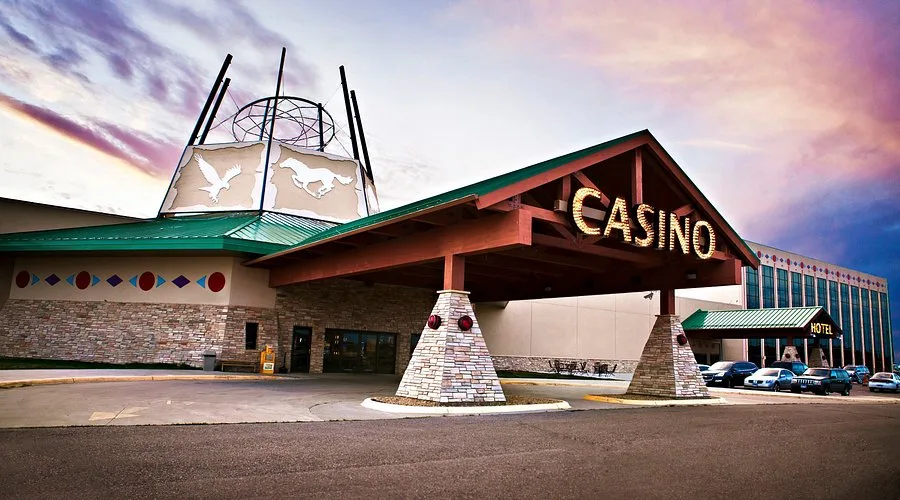
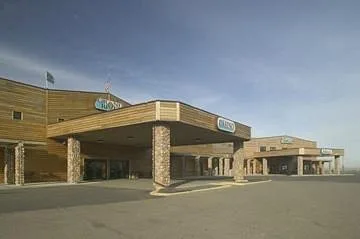
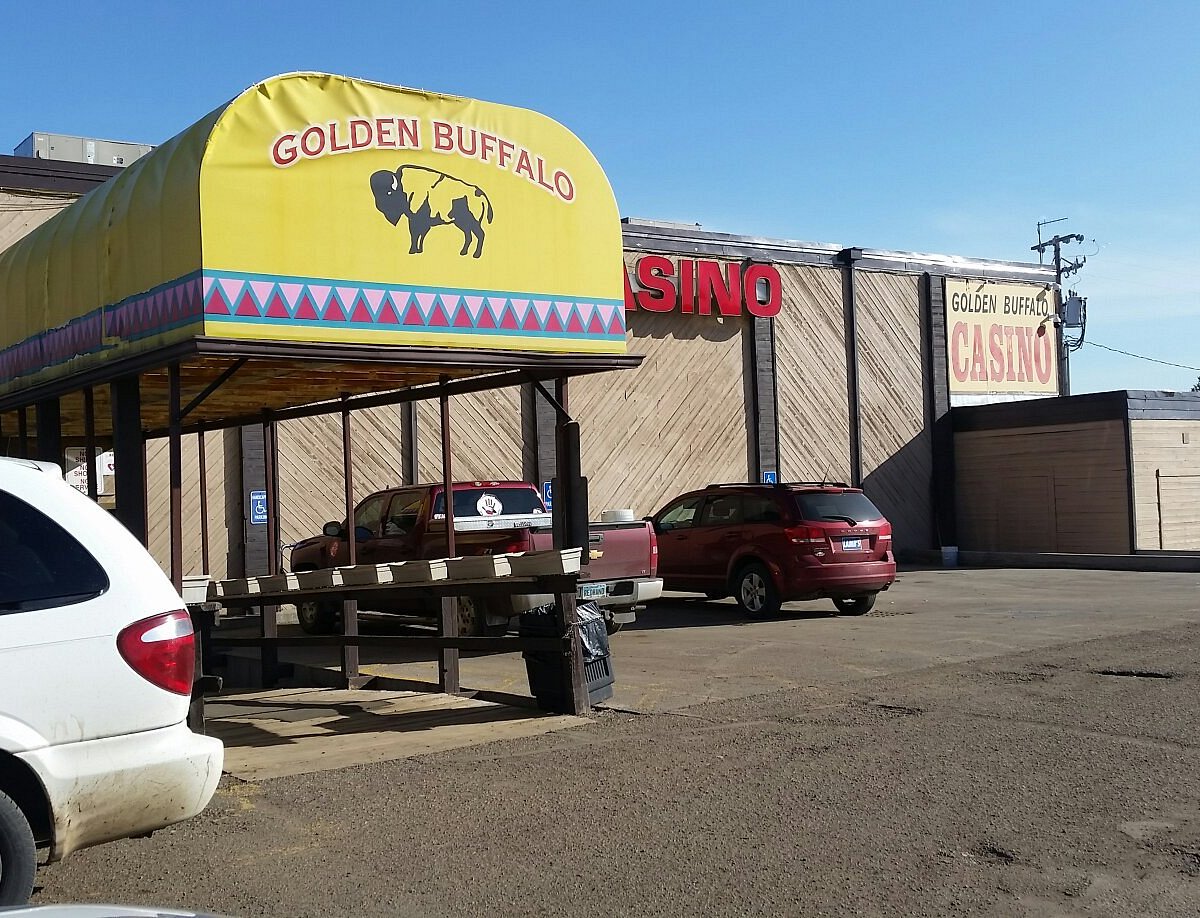
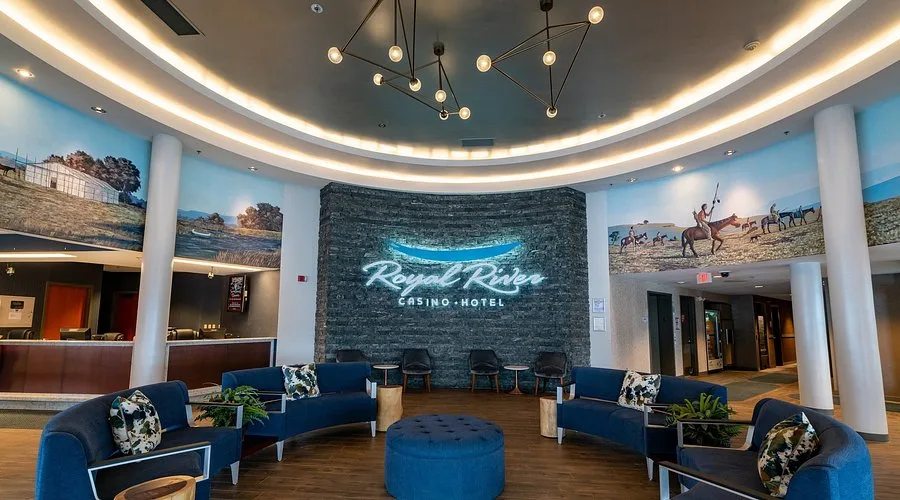
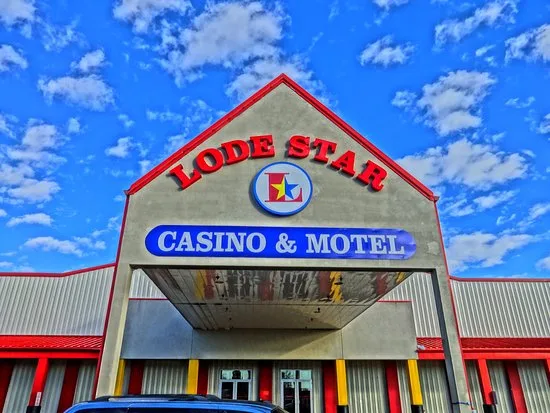
Royal River Casino Hotel in Flandreau, operated by the Flandreau Santee Sioux Tribe, is one of the more accessible tribal resorts in the state, situated about 50 miles north of Sioux Falls. The full resort property includes a hotel, dining, entertainment, and a gaming floor with slots and table games, making it the primary tribal destination for visitors based in or passing through the eastern South Dakota corridor. Golden Buffalo Casino Hotel (Lower Brule) is operated by the Lower Brule Sioux Tribe along the Missouri River in the central part of the state. Lode Star Casino Hotel in Fort Thompson is operated by the Crow Creek Sioux Tribe, and Fort Randall Casino Hotel in Pickstown is operated by the Yankton Sioux Tribe near the Nebraska border along the Missouri River.

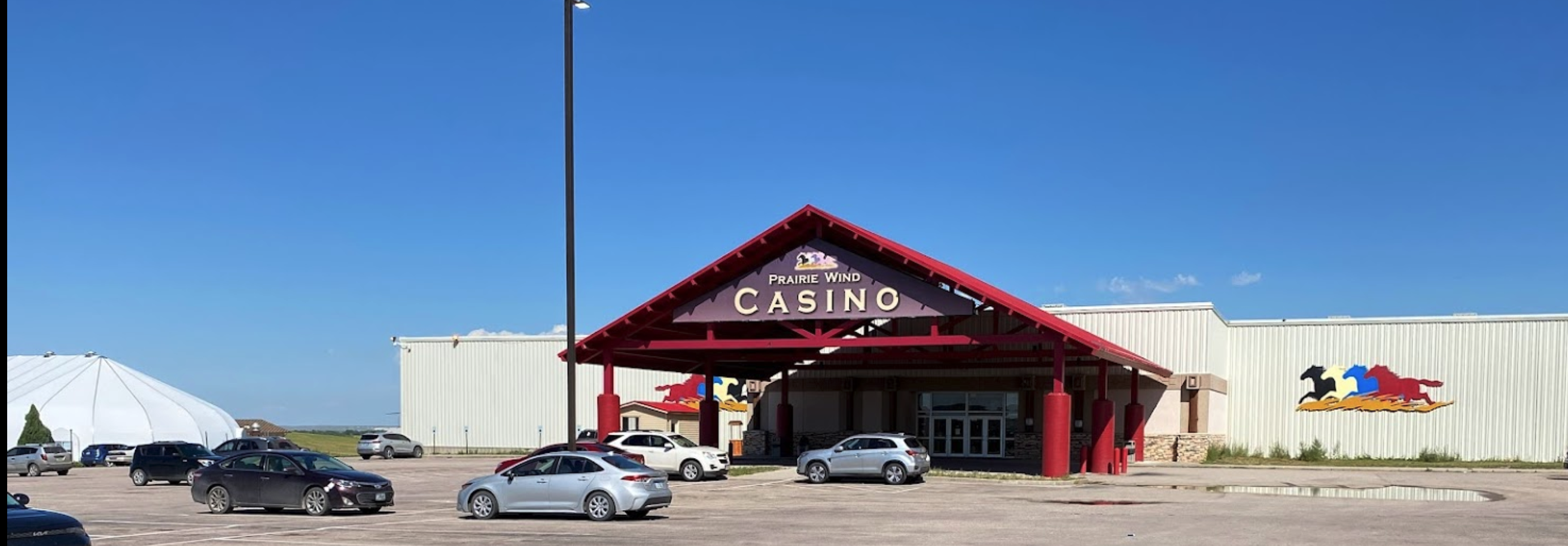
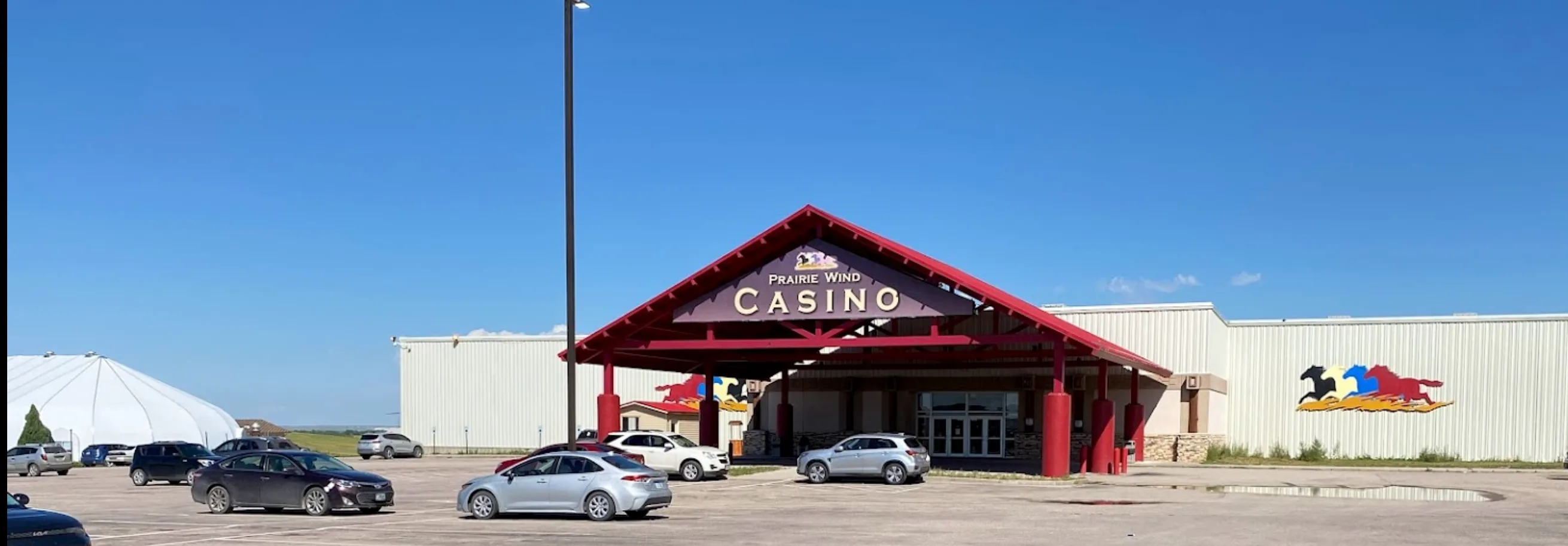
Grand River Casino and Resort in Mobridge is operated by the Standing Rock Sioux Tribe and serves the northern part of the state near the South Dakota-North Dakota border. Prairie Wind Casino Hotel in Oelrichs serves the southwestern corner of the state and is operated by the Oglala Sioux Tribe. Dakota Sioux Casino Hotel near Watertown is operated by the Sisseton Wahpeton Oyate in the northeastern part of the state, and Dakota Connection Casino in Sisseton serves the same tribe’s broader gaming footprint in the region.

Games at South Dakota Casinos

What's Available · Land-Based

Game categories you'll find in this state

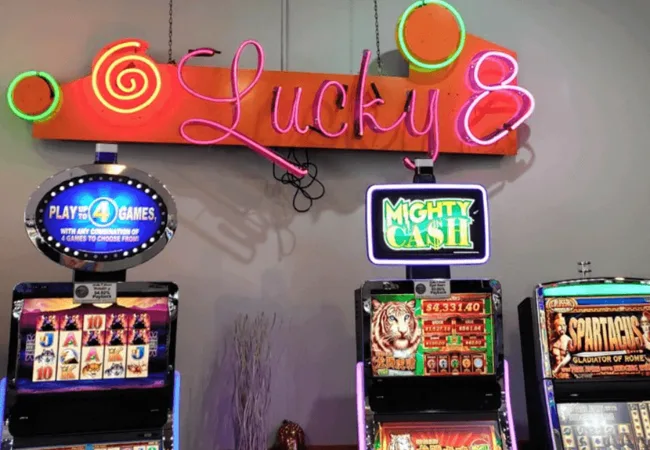
Slots are available at both Deadwood commercial properties and tribal casino resorts. At Deadwood, the slot mix tends toward video reel games and video poker, with electronic table game variants also present. Tribal properties similarly offer a range of reel and video poker machines.

Table games in Deadwood are authorized under the South Dakota Commission on Gaming’s approved game list and include blackjack, three-card poker, and other card game variants. The maximum bet at Deadwood table games is $1,000 per the current legislative limit. Tribal casino table game offerings are authorized under each tribe’s Class III compact and include similar game types with limits set by the individual property.

Live poker is available at several Deadwood properties and at tribal resorts including Royal River Casino and Fort Randall Casino. The poker rooms in Deadwood are modest by regional standards, but cash games run regularly at the larger properties during the tourist season, with occasional tournament events.

Sports wagering is available at Deadwood properties via kiosks and dedicated sportsbook areas following the 2021 launch authorized by the 2020 ballot measure. Tribal sports betting access varies by property and compact amendment status.

Editor’s Perspectives by Visitor Profile

★ Senior Gaming Editor · South Dakota Casino Perspectives

Best South Dakota Casinos, By Visitor Profile

South Dakota's two gaming systems serve genuinely different visitor needs. The right choice depends on where you are, what you want from gaming, and how far you are willing to drive.

Rachel Mendoza

Rachel Mendoza

Senior Gaming Editor · Mountain West and Plains Properties

For Black Hills Tourists in South Dakota

Best casino option for visitors touring Mount Rushmore and the Black Hills

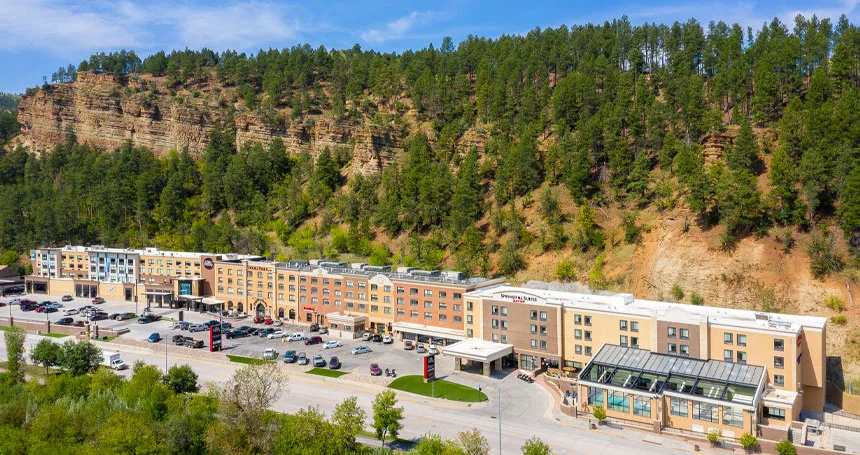
Deadwood is the natural gaming stop for any Black Hills itinerary, and Deadwood Mountain Grand is the anchor property.

"If you are already planning a Black Hills trip to see Mount Rushmore, Crazy Horse, Custer State Park, or the Badlands, Deadwood fits naturally into the itinerary. The city is about 45 minutes northwest of Rapid City on US-85 and about an hour from Mount Rushmore. A stop in Deadwood, even for an evening, gives you a genuinely unusual experience: a nineteenth-century mining town where the saloons have been replaced by casinos, but the buildings look much as they did in Wild Bill Hickok's time. Deadwood Mountain Grand is the practical starting point, with a full gaming floor, hotel, and restaurants in a single building above the main street. From there, walking down Main Street and dropping into Tin Lizzie, Cadillac Jack's, or the Silverado-Franklin lets you see several different casino formats in a short walk. The minimum age is 21 throughout Deadwood. The summer months are crowded; booking hotel rooms in advance is important from June through August."
Rachel Mendoza
Rachel Mendoza · Senior Gaming Editor · Mountain West and Plains Properties

South Dakota Gambling Law and Regulation

SectorRegulatorMin. AgeStatus
Deadwood commercial gaming (slots, table games, poker)South Dakota Commission on Gaming21Legal under SD Codified Laws Title 42, Ch. 42-7B
Deadwood sports wageringSouth Dakota Commission on Gaming21Legal; authorized by 2020 ballot measure, launched 2021
Tribal casinos (Class III)National Indian Gaming Commission + Tribal Gaming Commissions18 (varies)Legal under IGRA tribal-state compacts
Tribal sports bettingNIGC + individual tribal gaming commissions18 (varies)Via compact amendments; varies by tribe
Commercial casinos outside Deadwoodn/an/aNot authorized under South Dakota law
State lotterySouth Dakota Lottery18Legal; separate from casino gaming
Online casino gamingn/an/aNot authorized as of 2026
Video lottery terminalsSouth Dakota Lottery21Legal at licensed establishments statewide

South Dakota’s Deadwood gaming system is authorized by Article III, Section 25 of the South Dakota Constitution, as amended by the 1989 voter referendum that created the limited-stakes gaming district. The implementing statutes are found in South Dakota Codified Laws Title 42, Chapter 42-7B. The South Dakota Commission on Gaming licenses individual Deadwood establishments, approves game types, sets enforcement procedures, and administers the revenue-sharing structure that directs gaming tax proceeds to historic preservation.

Sports wagering at Deadwood properties was authorized by a November 2020 constitutional amendment approved by South Dakota voters and subsequently enabled by the 2021 legislative session. The sports wagering framework is retail-only at Deadwood locations; broad mobile sports betting authorization was not enacted as of 2026.

South Dakota’s tribal gaming compacts are negotiated individually between the state and each federally recognized tribe under the Indian Gaming Regulatory Act. Each compact authorizes Class III gaming and establishes the regulatory structure, with each tribe’s gaming commission providing on-the-ground oversight. The National Indian Gaming Commission provides federal oversight.

South Dakota also permits video lottery terminals at licensed establishments statewide under a state lottery program. These devices are regulated by the South Dakota Lottery and are separate from the Deadwood gaming system and tribal casino operations.

Quick Visitor Reference

  • Deadwood location: Black Hills, about 45 miles northwest of Rapid City via US-85
  • Largest Deadwood hotel-casino: Deadwood Mountain Grand Casino Hotel
  • Historic boutique option in Deadwood: Historic Bullock Hotel (Seth Bullock’s original 1895 building)
  • Minimum age in Deadwood: 21 at all commercial gaming establishments
  • Deadwood bet limit: $1,000 maximum single bet (raised from the original $5 limit)
  • Sports betting in Deadwood: Available at major properties since 2021
  • Closest tribal casino to Sioux Falls: Royal River Casino Hotel (Flandreau, ~50 miles north)
  • Tribal casino near Missouri River, central SD: Lode Star Casino Hotel (Fort Thompson) or Golden Buffalo Casino Hotel (Lower Brule)
  • Tribal casino near Nebraska border: Fort Randall Casino Hotel (Pickstown, Yankton Sioux Tribe)
  • Tribal casino near North Dakota border: Grand River Casino and Resort (Mobridge, Standing Rock Sioux Tribe)
  • Tribal casino in northeastern SD: Dakota Sioux Casino Hotel (Watertown area) or Dakota Connection Casino (Sisseton)
  • Tribal casino in southwestern SD: Prairie Wind Casino Hotel (Oelrichs, Oglala Sioux Tribe)
  • Minimum age at tribal casinos: 18 at most properties; confirm with individual casino before visiting
  • Online casino gaming: Not legal in South Dakota as of 2026
  • Slots outside Deadwood and tribal casinos: Video lottery terminals available at licensed bars and restaurants statewide under the South Dakota Lottery
  • Historic preservation funding: A portion of Deadwood gaming taxes fund restoration of the town’s nineteenth-century buildings
  • Hotel reservations in Deadwood: Summer weekends book quickly; reserve at least two to three weeks in advance from June through August
  • ID: Government-issued photo ID required at all gaming venues; every property checks identification

🇺🇸 South Dakota · 10 cities
Casinos by City in South Dakota

Back to South Dakota →
Search