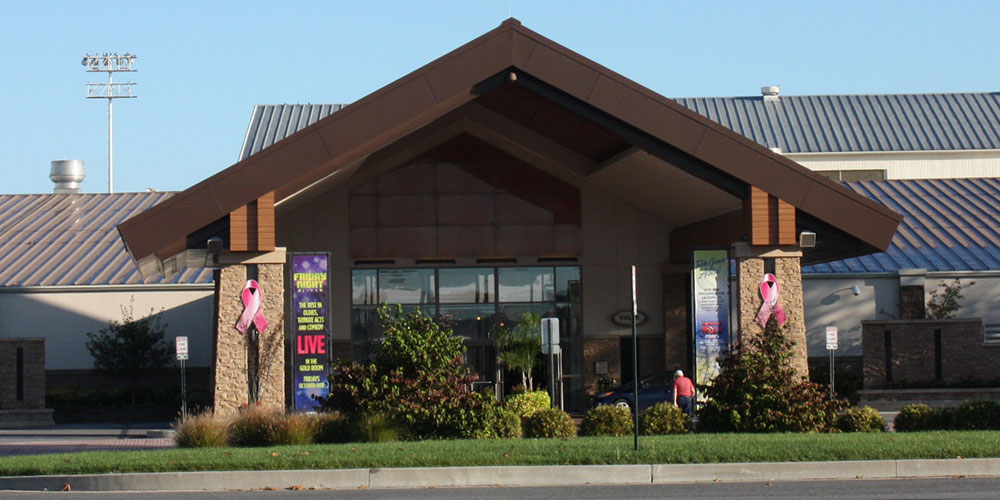
































Harrington Raceway & Casino
Harrington, Delaware
18500 S Dupont Hwy, Harrington, DE 19952, USA
Specialty Card Game
A card game where you bet whether the third card falls between the first two. Simple concept, tricky math.
3 US venues offer in-bet.
Casino Directory
Showing 3 of 3 venues
Harrington, Delaware
18500 S Dupont Hwy, Harrington, DE 19952, USA
Chandler, Arizona
5040 Wild Horse Pass Blvd, Chandler, AZ 85226, USA
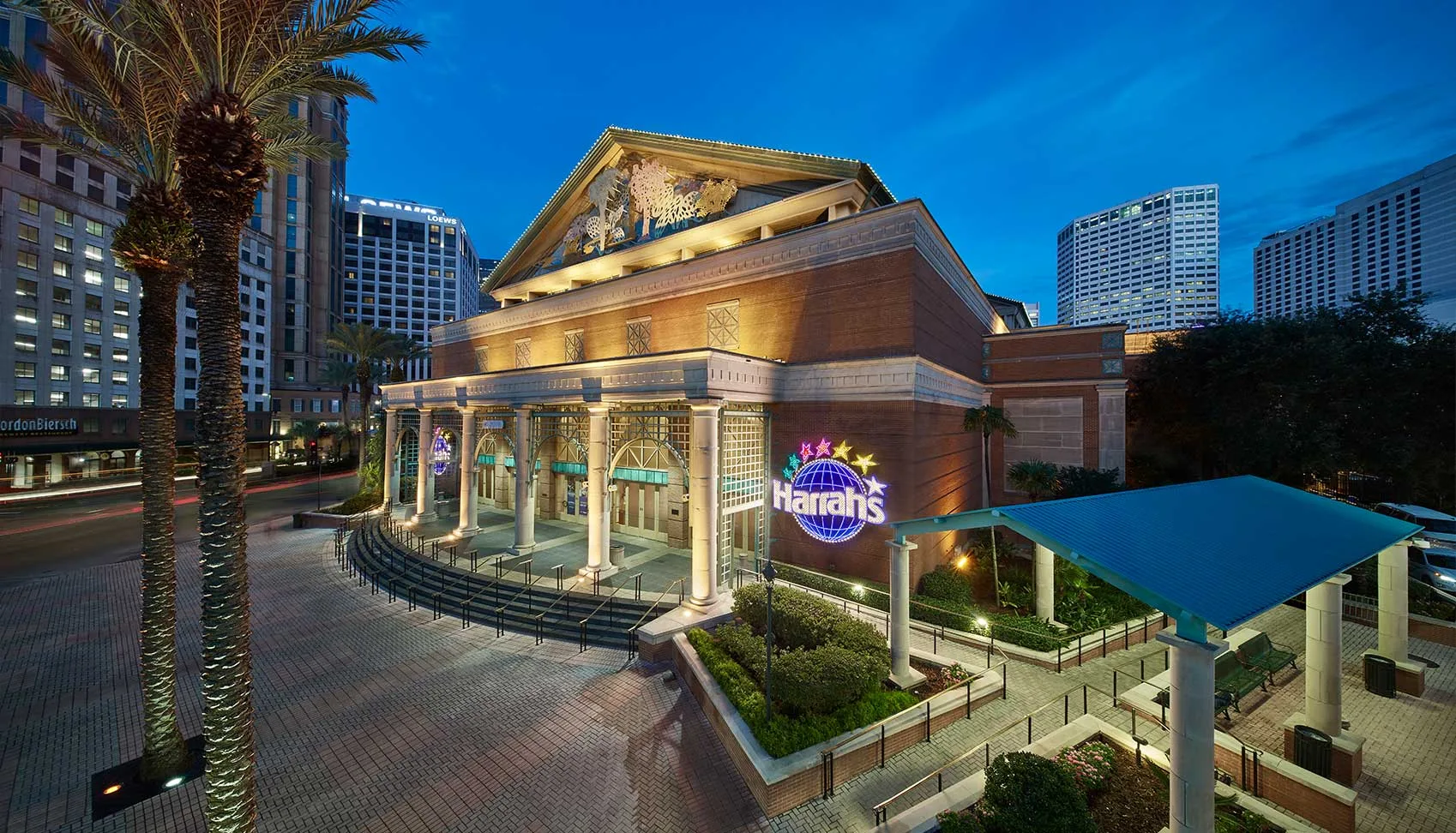
New Orleans, Louisiana
8 Canal St, New Orleans, LA 70130, USA
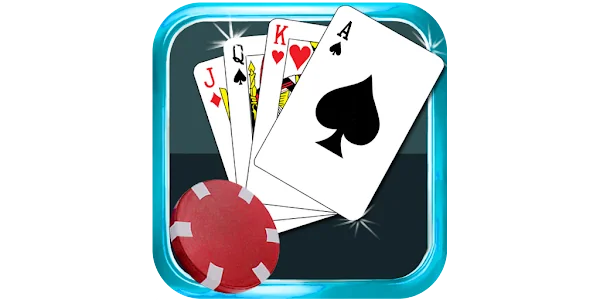
In-Bet is a card game where you bet on whether a third card falls between the ranks of two initial cards. The dealer deals two cards face up, and you bet on the spread -- the wider the gap, the better your odds. This game is also known as Acey-Deucey or Red Dog, and the core mechanic is straightforward: middle card between the spread wins, outside card loses, and a match on either end card is a triple loss. In-Bet is rare on modern casino floors, appearing mostly at novelty casinos and charity events. You'll find live tables at most major properties. See our full US casino directory for venue contact details and hours.
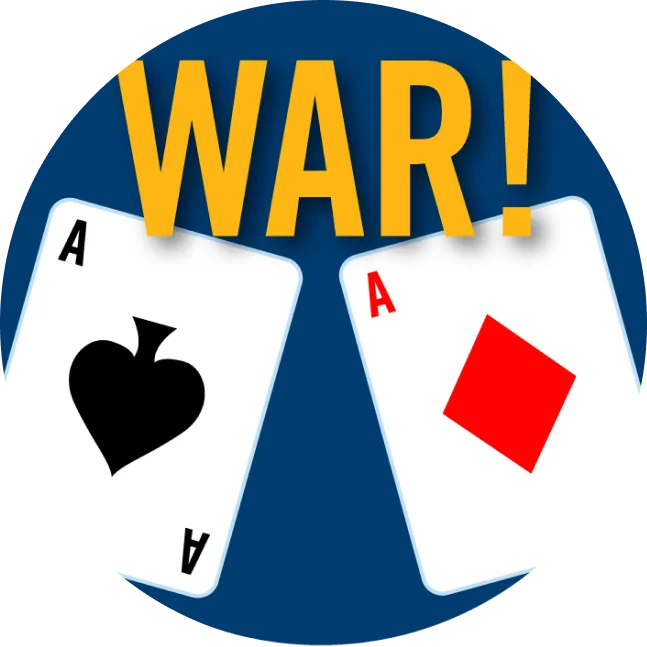
In-Bet is a game of simple math and nerve. You see the two cards, evaluate the spread, and decide whether to raise. A spread of Ace-to-King gives you nearly every card in the deck as a winner -- but the triple-loss penalty on matching either end card keeps the house edge intact. The game is a novelty on modern casino floors, appearing mostly at smaller venues and charity events. If you have played Casino War, you will recognize the simple card-comparison mechanic, though In-Bet adds a raise-or-fold decision that War does not have.
Place your bet. The dealer deals two cards face up. The rank spread between the two cards determines the potential payout.
If the two cards are consecutive (e.g., 5 and 6), the hand pushes and no third card is drawn.
If the two cards are a pair, a third card is drawn. If the third card matches the pair, you win. Otherwise, you push.
If the two cards have a spread of one or more, you may raise your bet or stay. The dealer then draws the third card.
If the third card falls between the two initial cards, you win and are paid according to the spread. If outside, you lose.
If the third card matches either of the first two cards, the bet loses at triple the wager on most paytables.
In-Bet is played with a standard 52-card deck, typically a single deck for transparency but sometimes multiple decks. The dealer deals two cards face up. If they are consecutive (e.g., 7 and 8), the hand is a push. If they are a pair, a third card is drawn. A matching third card pays 11:1 on most paytables. Non-matching third card is a push.
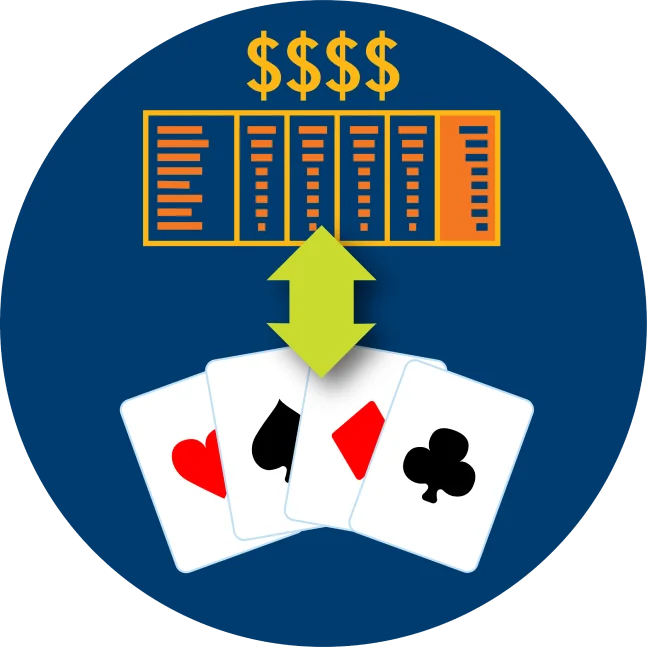
If the two cards have a spread of one or more cards, you may raise your bet or stay. The dealer then draws the third card. Payouts are based on the spread: a 1-card spread typically pays 5:1, a 2-card spread pays 4:1, a 3-card spread pays 2:1, and spreads of 4 or more cards pay even money. The triple-loss rule applies: if the third card matches either of the first two cards, you lose three times your total wager (original bet plus raise). Some casinos reduce this to a double loss. The ideal spread is Ace-to-King or Ace-to-2, which offers the widest range and the best winning probability.
The house edge is roughly 2 to 5 percent depending on the paytable and your raise strategy. Playing optimally (raising on spreads of 7+) reduces the edge to roughly 2 to 3 percent. It is one of the lowest-edge specialty games when played correctly.
Raise on spreads of 7 or more. The wider the spread, the higher your probability of winning.
Never raise on a 1-card spread. The probability of hitting the middle card is too low to justify doubling your bet.
The triple-loss rule on matching either end card makes narrow spreads especially dangerous. A 1-card spread has a high probability of matching.
Aces are high and low, creating the widest possible spreads. Ace-to-2 and Ace-to-King are the best starting hands.
The house edge varies with your raise strategy. Playing optimally reduces the edge to roughly 2 to 3 percent.
Track whether the casino uses a single deck or multiple decks. A single-deck game has better odds because the card count is transparent.
Where to play in the US
Editorial picks for visitors who want a real-floor In-Bet session. Ranked by directory depth (table counts, amenities, and floor quality). Tap any card for the full property review.
New Orleans, Louisiana
1,500 slots · 105 tables · 24/7
Games available
Property
Your vote is saved to this browser only.
Chandler, Arizona
956 slots · 40 tables · 25 poker tables · 24/7
Games available
Property
Your vote is saved to this browser only.
Harrington, Delaware
1,800 slots · 42 tables · 10 poker tables · 24/7
Games available
Property
Your vote is saved to this browser only.
Rankings reflect directory data depth (floor counts, game variety, amenity tags) re-verified quarterly. They are not a substitute for current operating status; confirm hours and game spread directly with each casino before visiting.
The core strategic decision in In-Bet is when to raise. The optimal strategy is to raise on spreads of 7 or more cards, where the probability of the third card landing in-between exceeds 50 percent after accounting for the triple-loss penalty on a match. On spreads of 4 to 6 cards, the math is closer and depends on the specific payout table. On spreads of 1 to 3 cards, the triple-loss penalty makes raising a negative expectation play.
Ace-high and Ace-low hands are the most valuable in the game. An Ace-to-King spread gives you 12 winning cards out of the 50 remaining, making it a strong raise candidate despite the triple-loss risk. A pair is statistically neutral: you win 11:1 on a match but only one card in the deck delivers that outcome. In-Bet is a game that rewards patience. Wait for wide spreads, raise aggressively on them, and fold narrow spreads. The effective house edge is one of the lowest among specialty games when played optimally.
High card wins, ties go to war (double-or-nothing). Simpler than In-Bet, no spread math. Higher house edge at 2.9 percent.
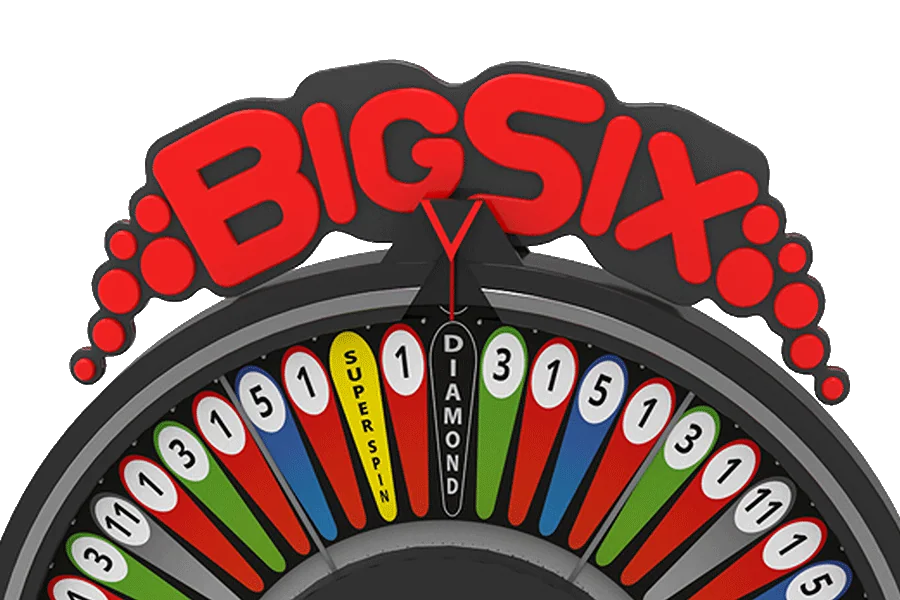
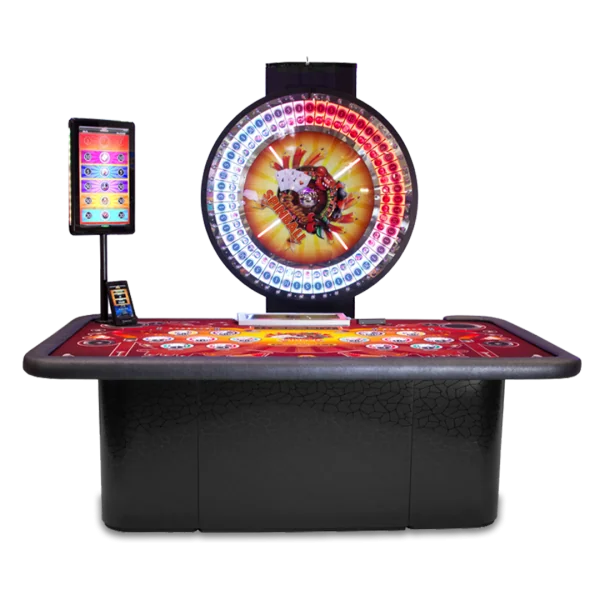
Vertical wheel with segments. Simple betting on where the pointer stops. Higher house edge. No decisions.
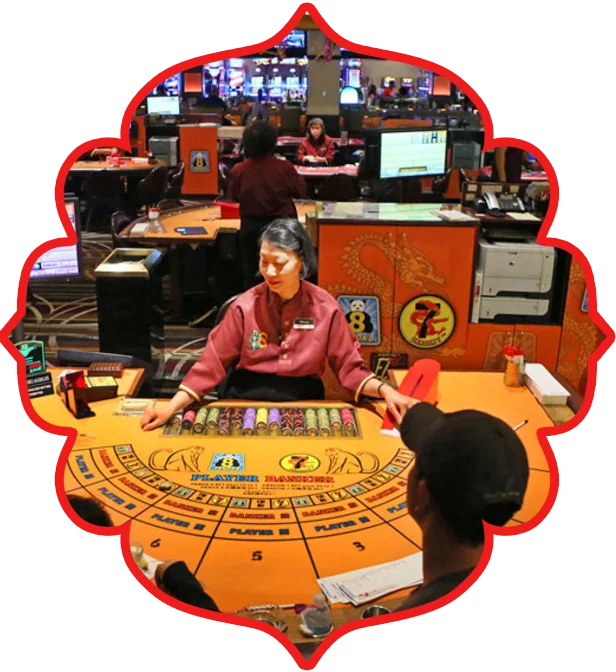
Banker vs Player card comparison. Lower house edge (1.06 percent on Banker). More widely available and higher minimums.
Three-dice betting game. Multiple bet options. Higher house edge on most bets but more action per roll.
In-Bet is rare on modern US casino floors. You are most likely to find it at novelty casinos, charity events, or smaller tribal properties with eclectic game selections. In-Bet tables are sometimes placed near other specialty games like Big Six Wheel and baccarat in the low-roller area.
Before you play, ask about the payout table and the loss multiplier on matching end cards. A triple-loss penalty versus a double-loss penalty changes the strategy significantly. Browse our US casino directory to find venues near you that offer specialty card games.
Raise on spreads of 7 or more cards. Examples include Ace-to-King, Ace-to-2, and 3-to-Jack. The wider the spread, the higher your probability of winning. Never raise on 1-card spreads.