









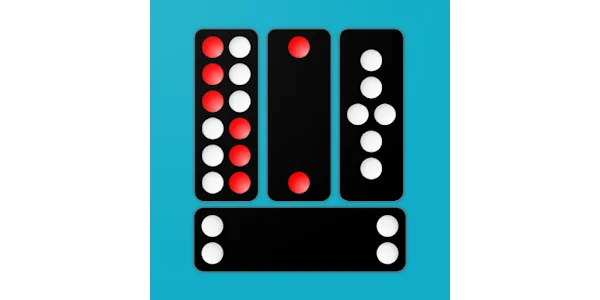
















Face Up Pai Gow Poker game icon

House-Banked Poker

Face Up Pai Gow Poker Casinos

The dealer's seven cards are face up before you set your hand. Full-information Pai Gow with no commission and an ace-high push rule.

1 US venue offer face up pai gow poker.

House Edge
~1.8% with optimal play
RTP
~98.2%
Typical Min Bet
$10 to $25
Pace
Moderate
Category
House-Banked Poker
Beginner-friendly

Casino Directory

Where to play Face Up Pai Gow Poker in the US

Showing 1 of 1 venues

Face Up Pai Gow Poker is a Pai Gow Poker variant where the dealer's seven cards are exposed before you set your own hand. You see exactly what you need to beat before deciding how to arrange your cards. In exchange for that information advantage, ties go to the dealer, no commission is charged on winning hands, and the dealer automatically pushes the ante when holding Ace-high Pai Gow (no pair). The result is a faster, more strategic game where the skill lies in reading the dealer hand and setting yours to maximize your chance of winning both hands. You'll find live tables at most major properties. See our full US casino directory for venue contact details and hours.

Face Up Pai Gow Poker is a variant of standard Pai Gow Poker that removes the mystery and adds speed. In standard Pai Gow, the dealer sets a hand behind a shield and you compare after both sides are set. In Face Up, you see everything the dealer has before making a single decision. That changes the strategy dramatically: you are no longer playing a guessing game -- you are solving a puzzle with complete information.

How to play Face Up Pai Gow Poker

  1. Place an Ante bet. You may also place optional Fortune and Emperor's Challenge side bets.

  2. You receive seven cards. The dealer's seven cards are placed face up on the table.

  3. Study the dealer hand and decide how to split your seven cards into a five-card high hand and a two-card low hand.

  4. Both hands are compared to the dealer hands. Your high hand must outrank your low hand. Ties go to the dealer.

  5. The dealer automatically pushes your Ante when holding Ace-high Pai Gow (no pair of any kind in seven cards).

  6. There is no commission on winning hands. A full win on both hands pays 1:1, and a split win-one lose-one is a push.

Face Up Pai Gow Poker Rules and Payouts

Face Up Pai Gow uses a standard 53-card deck including a joker. The joker can complete a straight, a flush, a straight flush, or act as an ace. The dealer's seven cards are dealt face up at the start of each hand. You set your seven cards into a five-card high hand and a two-card low hand, with the high hand required to outrank the low hand.

Ties on either hand go to the dealer, which is the main trade-off for seeing the dealer cards. There is no commission, so winning both hands pays a clean 1:1. If the dealer holds Ace-high Pai Gow (no pair, Ace-high across all seven cards), the Ante automatically pushes. This rule prevents the auto-loss scenario that plagues players in standard Pai Gow when the dealer has a surprising weak hand.

  • How does Face Up Pai Gow differ from standard Pai Gow Poker?

    The dealer's seven cards are face up before you set your hand. Ties go to the dealer instead of the player. There is no commission, and the dealer pushes your Ante when holding Ace-high Pai Gow. The game is faster and more strategic because you have perfect information.

Editorial Strategy

Strategy & etiquette for Face Up Pai Gow Poker

  • Use the exposed dealer hand to set yours. If the dealer has a weak high hand (Queen-high or lower), prioritize winning the low hand.

  • House way is the standard setting method. Against a strong dealer hand, use the house way approach for maximum safety.

  • When the dealer shows a pair or better in the high hand, focus on winning the low hand to split the result and push.

  • The ace-high push rule favors the player. If the dealer holds Ace-high Pai Gow, you get your Ante back regardless of your hand.

  • Fortune and Emperor's Challenge side bets pay on your seven-card hand strength. Treat them as entertainment, not value.

  • Face Up Pai Gow is faster than standard Pai Gow. There is no waiting for the dealer to expose cards, so the pace picks up noticeably.

Face Up Pai Gow Poker Strategy

The exposed dealer hand changes everything about setting strategy. In standard Pai Gow Poker, players rely on the house way because they lack information. In Face Up, you can tailor your set to the specific dealer hand. If the dealer high hand is Queen-high or worse, you can play more aggressively on the low hand since your high hand is likely to win. If the dealer high hand is a pair of 10s or better, focus on winning at least the low hand to secure a push.

The no-commission rule makes Face Up more attractive than standard Pai Gow Poker for low-stakes players. The 5 percent commission on standard Pai Gow adds up over time, and eliminating it offsets some of the disadvantage of ties going to the dealer. Compared to EZ Pai Gow, Face Up offers more information but fewer player-friendly tie rules. It sits between the two on the risk-reward spectrum.

Common Face Up Pai Gow Poker variants

Where to Play Face Up Pai Gow Poker

Face Up Pai Gow Poker is a niche specialty pit game. It is less common than standard Pai Gow Poker or Fortune Pai Gow. It appears at larger Las Vegas resorts, Atlantic City properties, and select tribal casinos with deep game inventories.

Before you sit, verify the Fortune and Emperor's Challenge side bet paytables. Browse our US casino directory to find venues near you.

  • Is the house edge lower in Face Up Pai Gow?

    The house edge is roughly 1.8 percent with optimal play, which is slightly lower than standard Pai Gow Poker (about 2.5 percent) thanks to the no-commission rule and the Ace-high push rule. However, ties going to the dealer offset some of that advantage.

Search