Single Deck Blackjack game icon

Blackjack

Single Deck Blackjack Casinos

One deck. Face-down pitch. The purest form of blackjack -- but watch out for 6:5 payouts that nearly triple the house edge.

38 US venues offer single deck blackjack.

House Edge
~0.15% (3:2, S17) to ~1.5% (6:5, S17)
RTP
~99.85% (3:2) to ~98.5% (6:5)
Typical Min Bet
$10 to $50 (3:2), $5 to $25 (6:5)
Pace
Slow (pitch deal)
Category
Blackjack
Beginner-friendly

Casino Directory

Where to play Single Deck Blackjack in the US

Showing 12 of 38 venues

Single deck blackjack is the version of blackjack that started it all. One deck of 52 cards, dealt face down by hand in a pitch game, with the best statistical return of any blackjack format -- provided the table pays 3:2. The problem: most single deck tables in modern casinos pay 6:5, which nearly triples the house edge and erases the advantage of playing a single deck. Finding a 3:2 single deck table is worth the effort. The reduced deck count improves your odds, and the pitch deal gives you more control over your cards. You'll find live tables at most major properties. See our full US casino directory for venue contact details and hours.

Single deck blackjack is the version most players picture when they think of classic casino blackjack. The dealer holds the deck in their hands, pitches cards across the felt, and players pick up their cards face down. The reduced deck count means fewer cards working against you: the house edge on a 3:2 single deck game with S17 can drop to 0.15 percent with perfect basic strategy. That is the lowest house edge of any standard blackjack game in the casino. The catch: most single deck tables now pay 6:5, and that changes everything. Compare this to double deck blackjack, which also offers a low house edge with more availability.

How to play Single Deck Blackjack

  1. Place your bet in the circle. The dealer shuffles one deck and pitches cards face down to each player.

  2. Pick up your two cards and hold them face down. Look at your cards without showing them to other players.

  3. Signal your decision by scraping the felt (hit) or tucking your cards under the bet (stand). Never say your decision out loud.

  4. You can split pairs, double down, and take insurance. Most single deck tables allow doubling on 9-11 and splitting to two hands.

  5. The dealer reveals the hole card and plays out the hand. The dealer stands on soft 17 (S17) on most single deck tables.

  6. A blackjack pays 3:2 on the best single deck tables. On 6:5 tables, it pays only 1.2 times your bet -- a dramatically worse deal.

Single Deck Blackjack Rules and Payouts

Single deck blackjack uses one 52-card deck shuffled by hand after each round. The deck is held in the dealer's hands (pitch) rather than dealt from a shoe. Cards are dealt face down to players, who must pick them up and signal their decisions without speaking. The dealer stands on soft 17 (S17) on most single deck tables, though H17 tables exist.

The blackjack payout is the critical variable. A 3:2 table pays $15 for a $10 blackjack. A 6:5 table pays $12 for the same $10 blackjack. That $3 difference per blackjack nearly triples the house edge from roughly 0.15 percent to roughly 1.5 percent. Double deck games are increasingly difficult to find with 3:2 payouts, making standard blackjack from a 6- or 8-deck shoe the more reliable option for players who want a fair game.

  • Is single deck blackjack better than multi-deck?

    Yes -- but only if the table pays 3:2. A 3:2 single deck game with S17 has a house edge as low as 0.15 percent, the best in the casino. A 6:5 single deck table has a house edge of roughly 1.5 percent, which is worse than a typical 3:2 six-deck game. The deck count matters less than the payout.

Editorial Strategy

Strategy & etiquette for Single Deck Blackjack

  • Find a 3:2 single deck table. This is the single most important decision. A 6:5 single deck table has a house edge of roughly 1.5 percent, comparable to a bad multi-deck game.

  • Learn the single deck strategy deviations. The reduced deck count changes basic strategy: double 11 vs ace, double 10 vs 10, and stand 16 vs 10 in some situations.

  • Avoid insurance. The insurance bet carries a high house edge in single deck and is never worth taking for the recreational player.

  • Learn pitch etiquette. Use hand signals (scrape for hit, tuck for stand) and handle your cards with one hand only.

  • Check the doubling rules. Some single deck tables restrict doubling to 9-11 only, which increases the house edge by about 0.1 percent.

  • Single deck is ideal for basic strategy players. The small deck count means the strategy deviations are small but meaningful.

Where to play in the US

Top land-based casinos to play Single Deck Blackjack

Editorial picks for visitors who want a real-floor Single Deck Blackjack session. Ranked by directory depth (table counts, amenities, and floor quality). Tap any card for the full property review.

  1. #1Casinos
    Editor's pick
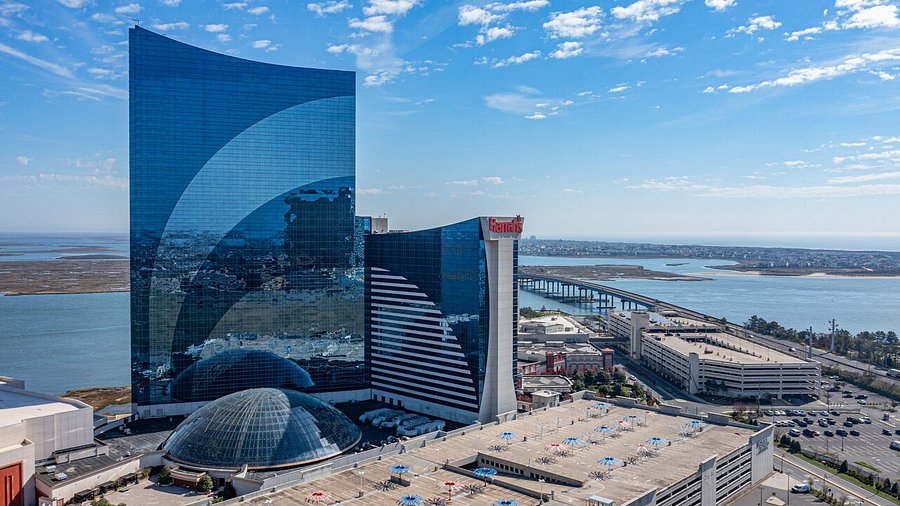
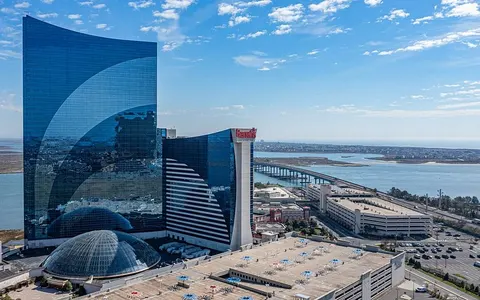
    Harrah’s Atlantic City — atlantic city

    Harrah’s Atlantic City

    Atlantic City, New Jersey

    2,150 slots · 110 tables · 40 poker tables · 24/7

    Selection100
    Value78
    Experience100

    Games available

    • 3 Card Poker
    • Baccarat
    • Big 6

    Property

    • Marina
    • Nightclub
    • Open 24 7
    Rate for Single Deck Blackjack0 votes

    Your vote is saved to this browser only.

  2. #2Casinos
    Stay & play
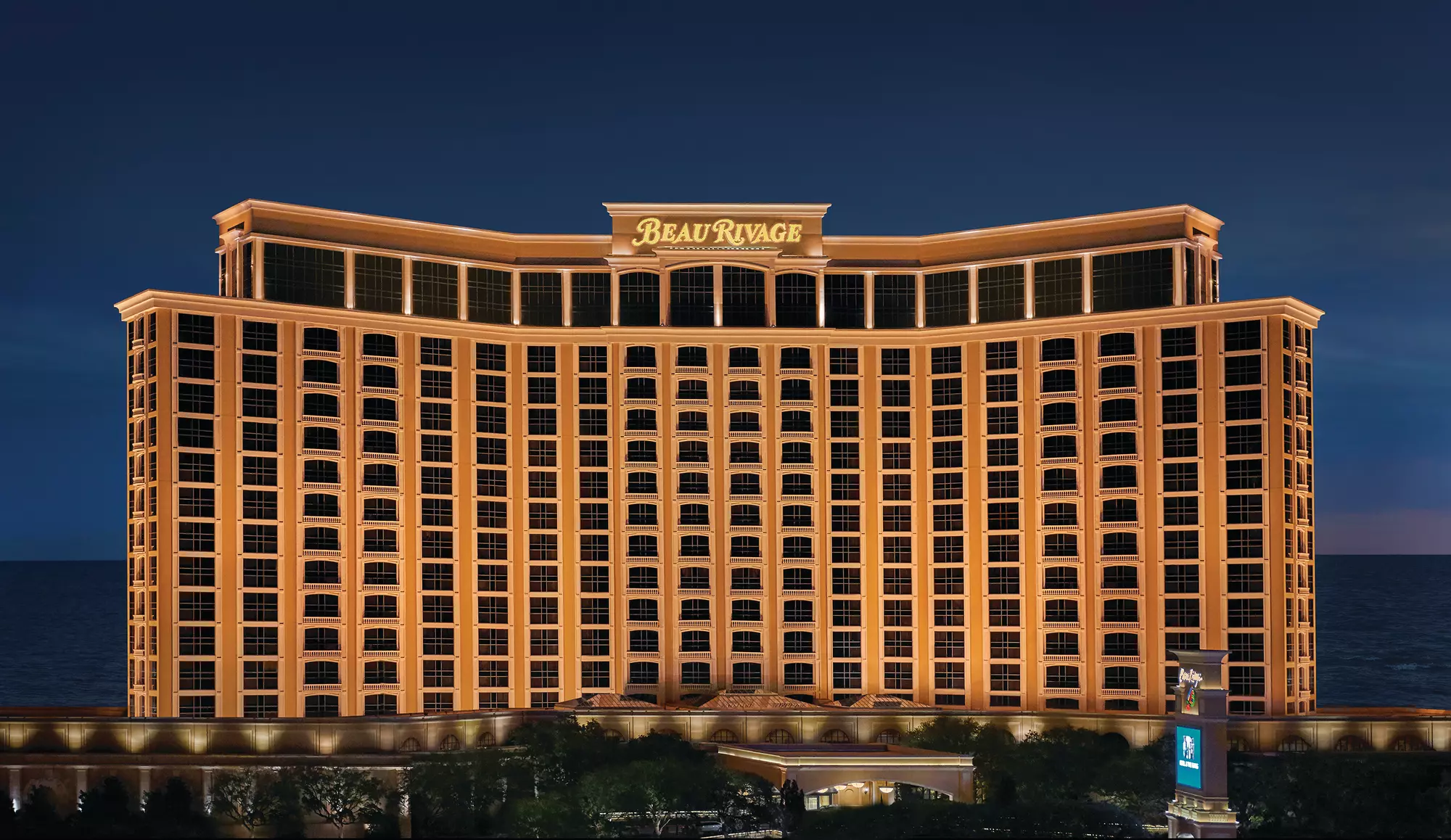
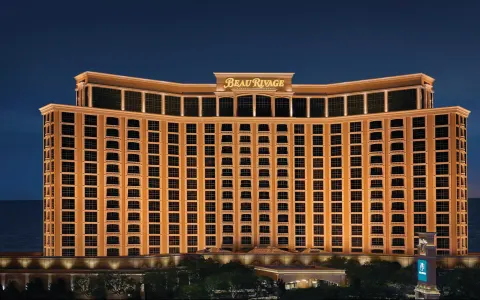
    Beau Rivage — biloxi

    Beau Rivage

    Biloxi, Mississippi

    1,800 slots · 110 tables · 16 poker tables · 24/7

    Selection100
    Value78
    Experience100

    Games available

    • 3 Card Poker
    • Baccarat
    • Blackjack Single Deck

    Property

    • Banquet
    • Cafe
    • Nightclub
    Rate for Single Deck Blackjack0 votes

    Your vote is saved to this browser only.

  3. #3Casinos
    Stay & play
    Cache Creek Casino Resort — brooks

    Cache Creek Casino Resort

    Brooks, California

    2,360 slots · 108 tables · 14 poker tables · 24/7

    Selection100
    Value55
    Experience100

    Games available

    • 3 Card Poker
    • Blackjack
    • Blackjack Single Deck

    Property

    • Open 24 7
    • Resort
    • Restaurant
    Rate for Single Deck Blackjack0 votes

    Your vote is saved to this browser only.

Rankings reflect directory data depth (floor counts, game variety, amenity tags) re-verified quarterly. They are not a substitute for current operating status; confirm hours and game spread directly with each casino before visiting.

Single Deck Blackjack Strategy

The strategy for single deck blackjack differs from multi-deck strategy in a few important ways. The reduced deck count means that removing a single card has a larger effect on the remaining odds. The key deviations: double down on 11 against a dealer ace, double down on 10 against a dealer 10, and stand on 16 against a dealer 10 in some situations. These deviations add about 0.1 percent to your return compared to using multi-deck strategy.

Pitch etiquette is also part of the game. Handle your cards with one hand. Never touch your bet after the cards are dealt. Signal with hand gestures rather than words. If you are used to face-up games from a shoe, the pitch game will feel different at first, but the slower pace and better odds make it worth the adjustment.

Common Single Deck Blackjack variants

Where to Play Single Deck Blackjack

Single deck blackjack with 3:2 payout is becoming rare. You are most likely to find it in Las Vegas at higher-limit tables ($25+ minimums), at downtown casinos that cater to locals, and at tribal casinos that still offer classic rules. Most Strip casinos have converted their single deck tables to 6:5.

Before you sit, check the placard for the blackjack payout. If it says 6:5, walk away. The game is not worth playing even at a low minimum. If it says 3:2, check the doubling rules and the S17/H17 status. A 3:2 single deck table with S17 and double on 9-11 is the best blackjack game you can find. Browse our US casino directory to find venues near you.

  • Why do most single deck tables pay 6:5 instead of 3:2?

    Casinos found that players gravitate to single deck tables believing they offer better odds, so they converted many tables to 6:5 to increase revenue while keeping the single deck label that players trust. The player gets a worse game and the casino gets higher margins. It is a marketing tactic, not a player benefit.

Search